
Featured News

Four PSI scientists selected to support NASA’s Artemis science
Mikayla Mace Kelley March 27, 2026March 27, 2026, TUCSON, Ariz. – NASA has selected 10 participating scientists to help shape a science plan for astronauts to complete on the lunar surface under the Artemis program, and four of them are from the Planetary Science Institute: Jamie Molaro, Hanna Sizemore, Catherine Weitz and Erica Jawin. The participating scientists will join the first Artemis lunar surface science team, led by Noah Petro, project scientist, at NASA’s Goddard Space Flight Center in Greenbelt,
Featured Staff


A Hidden Population Comes Into View: Henry Hsieh and 20 Years of Main-Belt Comets
Sam Riestenberg September 8, 2026When Henry Hsieh started graduate school, he was interested in comets for a fairly simple reason: they seemed exciting. Unlike distant objects that could appear as little more than points of light, comets were continuously changing. They moved across the sky, grew fuzzy clouds, and developed tails. To Hsieh, now a Senior Scientist at the Planetary Science Institute, studying comets felt tangible. And comets, he joked, weren’t just “boring rocks floating in space.” It turned
Featured Staff


Astronomy Cast, 20 years and 800 episodes of podcasting
Sam Riestenberg September 2, 2026On Monday, September 11, 2006, the first episode of Astronomy Cast was promoted across the Internet. Twenty years later, on September 7, 2026, episode 800 will hit a podcast player near you. Hosted by Planetary Science Institute Senior Scientist Pamela L. Gay and Fraser Cain, the publisher at Universe Today, this long-running show takes listeners on a facts-based journey through the cosmos at astronomycast.com. That first episode in 2006 looked at Pluto’s demotion to dwarf
Featured Staff


A Bigger Picture: How Nancy Grace Roman Telescope Could Transform Our View of the Solar System
Sam Riestenberg August 27, 2026NASA’s Nancy Grace Roman Space Telescope, scheduled to launch August 30th, is designed to tackle some of the biggest questions in astrophysics, from the nature of dark energy to the search for worlds beyond our Solar System. But as Roman looks deep into space, thousands of objects much closer to home will cross its field of view. Planetary Science Institute Senior Scientist Susan Benecchi has been working to make sure planetary scientists can take advantage
Featured Staff


Planetary Science Institute Welcomes Samantha Riestenberg as Science Communications Manager and Public Information Officer
Amanda Hendrix August 20, 2026August 20, 2026, TUCSON, Ariz. – Planetary Science Institute (PSI) has named Samantha (Sam) Riestenberg as its new Science Communications Manager and Public Information Officer, where she will lead efforts to share PSI research and expertise with the media, scientific community, and public. Riestenberg brings more than a decade of experience in strategic communications, STEM storytelling, public engagement and event management. Prior to joining PSI, she supported the National Science Foundation (NSF) where she translated
Featured Staff

Our Mission
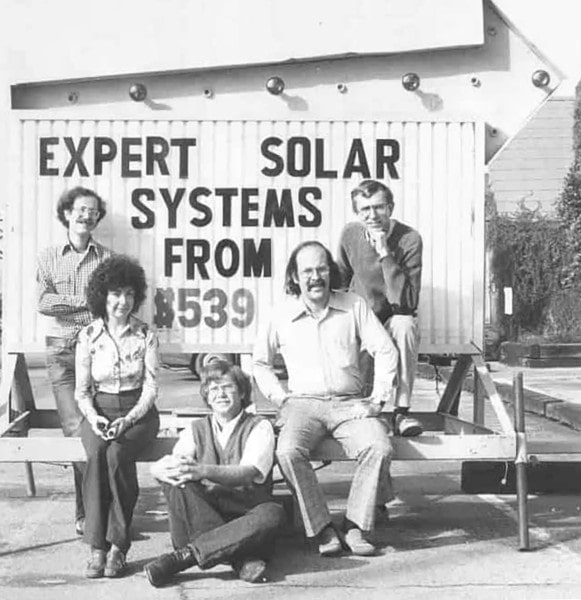
The Planetary Science Institute exists to
Our Science
PSI scientists work on advanced studies that cover all of the planets, moons and small bodies in
our solar system, and beyond. Techniques include modeling, mapping, field work, lab work, mission work
and more.

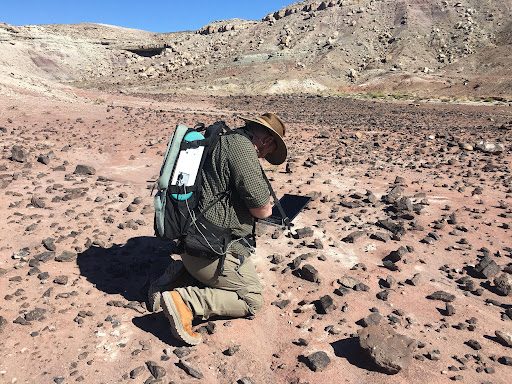

Small Bodies PSI projects, people, and stories on topics including Asteroids, Comets, Dust, Centaurs, Trans-Neptunian Objects & more
Projects
Staff
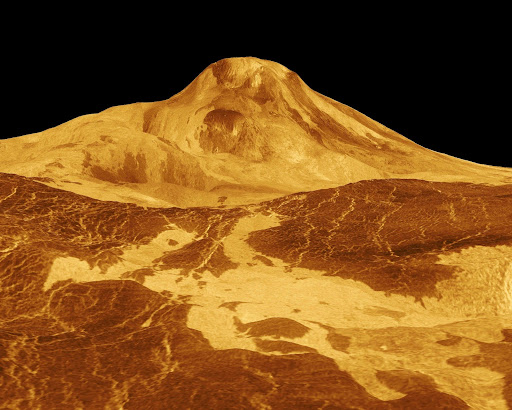
Inner Solar System PSI projects, people, and stories on topics including the Sun, Earth, Venus, Mars, the Moon
Projects
Staff
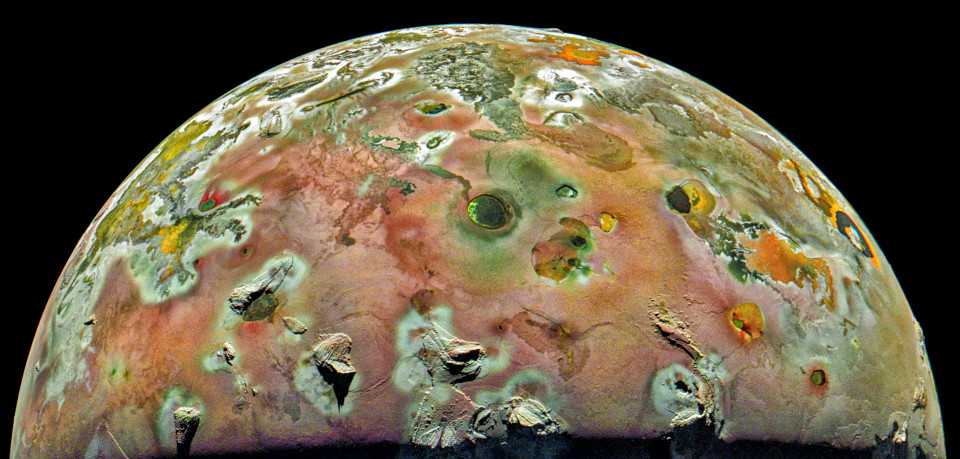
PSI projects, people, and stories on topics including the giant planets, their icy moons and rings, and worlds beyond our Outer Solar System
Projects
Staff
Sci Art

This fascinating piece of artwork depicts familiar constellations and challenges viewers to experience what the star grouping might look like from somewhere other than Earth. To see the installation being created, CLICK HERE. This intriguing sculpture was created by PSI’s Senior Scientist Jamie Molaro.
Sci Art Gallery
Hartmann Art Collection
Art is a critical tool for expressing, exploring, and reflecting on complex ideas. It shines a light on how the process of observing and studying a subject can be both scientific and artistic.
The Hartmann Art Collection at the Planetary Science Institute transports us across space and time to visit strange landscapes in our Solar System and among the stars. The collection spans more than 60 years of that inspired generations of thinkers and dreamers.
These works not only bring landscapes alive, they offer a unique perspective on our understanding of planetary systems and record the history of planetary exploration.
