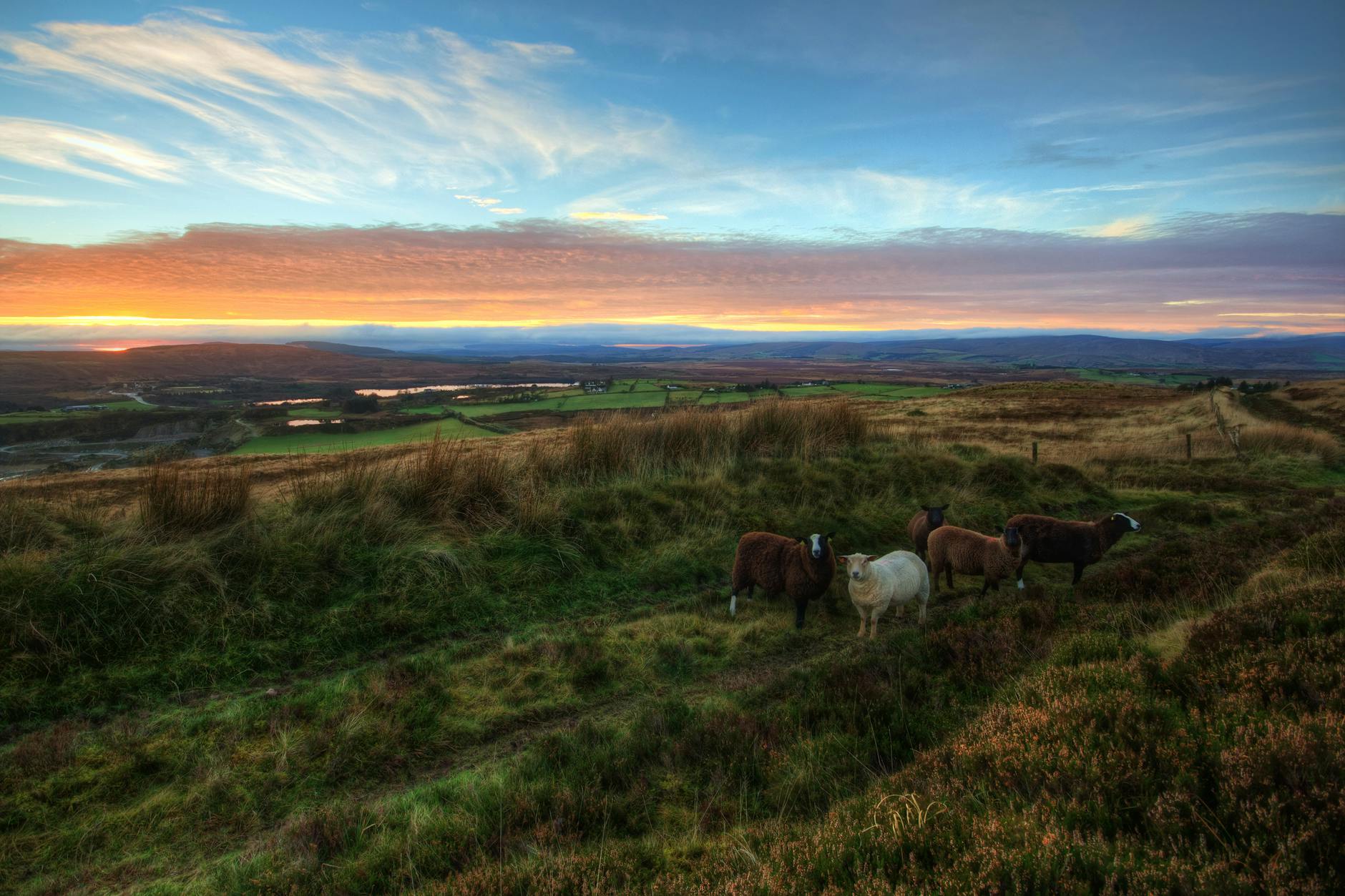
How to Experience Australia's Rich Biodiversity Through Eco-Friendly Initiatives

Understanding Ecosystems
Australia boasts a variety of unique ecosystems, each offering rich biodiversity that rivals other parts of the world. Just like the impressive flora at the Royal Botanic Gardens Victoria, these ecosystems support a range of life Arctic cruises. For example, the Great Barrier Reef is a vibrant marine habitat that provides homes to a multitude of marine species, while the Daintree Rainforest represents one of the world's oldest ecosystems, teeming with ancient plant species and diverse wildlife.
Key Australian Habitats
From the arid deserts of Central Australia to the lush rainforests of Queensland, the country's landscapes host a wide array of habitats. Coastal regions support impressive marine life, while the outback is known for its resilient flora and fauna. In these environments, one might spot the elusive Platypus or the strikingly colourful Gouldian Finch. These habitats are crucial not only for the wildlife they support but also for global biodiversity.
Distinct Flora and Fauna
Australia's ecosystems are home to some of the most distinct flora and fauna, many of which are endemic. Eucalyptus trees dominate much of the landscape, providing essential food and habitat for koalas and other species. Meanwhile, the casual observer might catch a glimpse of kangaroos, often seen hopping in large mobs across grasslands, reminding travelers of the natural wonders that these environments uphold.
Conservation Efforts
Efforts in Australia to conserve these environments are significant. National parks and protected areas have been established to maintain ecological integrity. Local initiatives, much like Melbourne Zoo's wildlife conservation programs, work diligently to protect endangered species. These programs focus on preserving genetic diversity and restoring natural habitats, paving the way for future generations to appreciate Australia's natural heritage Africa safari.
Eco-Friendly Travel Tips
Embarking on sustainable journeys is more than just a trend; it's an enriching experience that respects the planet. When planning your next adventure, consider opting for tailormade South America experiences that prioritize eco-friendly travel. One memorable anecdote from my sustainable explorations is a trip to the eco-friendly parks along the Yarra River. During this journey, I learned the significant impact transportation choices have on our carbon footprint. Choosing public transport, cycling, or walking around cities greatly reduces environmental impact while enriching your travel encounters.
Sustainable Transportation
To truly immerse yourself in the world around you, embrace sustainable transportation options. Opt for bicycles, electric scooters, or local public transport systems instead of renting a car. Not only do these choices lower emissions, but they also offer a more intimate exploration of your surroundings. Biking through Melbourne's eco-friendly parks along the Yarra River offers a picturesque and sustainable way to visit the city.
Ethical Wildlife Observations
Participating in ethical wildlife observations ensures that you witness the splendor of nature without disturbing its delicate balance. During my visits to conservation areas, like those supported by Melbourne Zoo's wildlife conservation programs, I've learned the value of respecting wildlife and keeping our distance for their safety and our own.
Minimising Waste on Trips
Reducing waste while travelling enhances the sustainability of your adventures. Simple changes, like carrying reusable water bottles and bags, contribute to significant waste reduction. Be mindful of your waste, recycle where possible, and aim to leave the places you visit as pristine as Machu Picchu tours find the Inca Trail.
Travelling responsibly not only enriches your journey but also empowers you to protect and enhance the natural world around us.
Engaging with Local Conservation
Community-Led Projects
Engaging in community-led conservation projects is a powerful way to contribute to the preservation of our planet. As someone who appreciates the delicate balance of ecosystems, you might find it inspiring to witness firsthand how collective action can lead to sustainable outcomes. Imagine participating in initiatives like habitat restoration or local wildlife monitoring, where your efforts directly benefit conservation. Taking part in these projects not only facilitates a greater understanding of ecological challenges but also enhances the community's ability to maintain sustainable practices long-term.
Educational Tours
Educational tours can serve as a transformative experience, bridging the gap between curiosity and knowledge. These tours, often integral to South American tours, allow you to explore the marvels of nature while understanding the necessity of conservation in places like Patagonia. You will find that these tours do more than just show you the land; they offer insights into how local communities, with programs akin to those in Melbourne Zoo's wildlife conservation, are implementing sustainable practices. Such experiences enrich your travel, offering a profound appreciation for the interplay between human activities and natural ecosystems.
Volunteer Opportunities
Volunteering paves the way for meaningful experiences that align with your values of promoting sustainability. Opportunities to get involved in Patagonia tours not only provide a firsthand look at conservation efforts but also allow you to actively contribute to preserving these environments. This direct involvement empowers you to enact positive change, mirroring efforts seen in eco-friendly parks along the Yarra River. By sharing your expertise and enthusiasm, you can support the safeguarding of biodiversity, ensuring a better future for all.
Supporting Biodiversity Initiatives
Partnering with NGOs
Embarking on initiatives that support biodiversity often involves collaborating with NGOs focusing on wildlife preservation. Such partnerships provide invaluable support to conservation work and help mitigate the negative impacts of tourism. Participating in a Kenya safari, for instance, allows you to observe Africa's magnificent wildlife while contributing to local conservation efforts. These NGOs rely on visitor support not only to generate awareness but also to fund critical projects that safeguard endangered species.
Financially Supporting Reserves
Contributing financially to wildlife reserves is an impactful way to foster biodiversity conservation. By allocating resources toward preserving these natural sanctuaries, you play a pivotal role in protecting the unique ecosystems they house. Whether it is a field trip to engage with an African safari expedition or donating to local wildlife projects, financial support ensures the ongoing functionality and sustainability of these vital conservation areas.
Spreading Awareness
Awareness is key when it comes to supporting biodiversity. Engaging with communities and participating in wildlife conservation discussions help spread essential knowledge about the importance of sustainable tourism practices. Sharing your own travel discoveries and experiences with others can light the way for the next generation of eco-travelers who, like us, aim to protect the natural beauty of our planet.
Inspiring Conservation Involvement
Community-Focused Projects
Engaging with community-led conservation projects can be incredibly rewarding. In Melbourne, local initiatives often collaborate with the Royal Botanic Gardens Victoria, working tirelessly to maintain the biodiversity of indigenous plant species. Volunteering in these gardens not only helps preserve the area's natural beauty but also provides firsthand experience in ecological stewardship. I recall joining a planting day at the gardens, where I met passionate conservationists dedicated to preserving native flora. These real, tangible interactions foster a deeper understanding and commitment to preserving our unique ecosystems.
Eco-Education Tours
Educational tours at popular locations like the Melbourne Zoo’s wildlife conservation programs offer a unique insight into wildlife preservation. These experiences are more than just informational; they also showcase the immense efforts to protect endangered species. I once participated in a guided tour focusing on how zoo initiatives contribute to species rehabilitation. Being a part of these tours gives travellers an opportunity to learn how their actions can support wildlife protection effectively.
Active Volunteer Involvement
There’s an undeniable sense of fulfilment that comes from volunteering at eco-friendly parks along the Yarra River. I’ve often joined groups to clear invasive species or monitor water quality, contributing to the health of this vital ecosystem. Such efforts make a noticeable impact on local biodiversity and inspire others to take action. By joining these volunteer streams, we not only gain valuable knowledge but also play an active role in preserving the planet’s ecological balance.