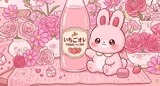
🎲今日はどこへ行く?|シーン背景ガチャで遊ぼう✨って、こんなの使う人いるかな💦

お気に入りのキャラクター。
いつもと違う場所へ、
ちょっと遊びに行ってみませんか?

海辺。
桜並木。
古い図書館。
星空列車の駅。
雲の上のカフェ。
おもちゃが動き出す部屋。
どこへ行くかは――
ガチャ次第です🎲✨
今回用意したのは、
🎲✨ SCENE BACKGROUND GACHA
シーン背景ガチャ
使い方は簡単。
お気に入りのキャラクター画像を
1枚用意するだけ。
あとはガチャにおまかせです。
🎰 SCENE BACKGROUND GACHA
「今回の世界は……《○○○○》!✨」
行き先が決まったら、
キャラクターも
その世界へ出発します。
海へ行けば、
海を眺めたり。
図書館なら、
本棚を見上げたり。
雪が降れば、
空へ手を伸ばしたり。
その場所に合わせて、
ポーズや動き、
視線や構図も変わります。
同じキャラクターなのに、
毎回ちょっと違う物語になる。
そこが、
このガチャのお楽しみです。

🌸 春へ行く?
桜並木や春の花畑。
☀️ 夏へ行く?
海や夏祭り。
🍁 秋へ行く?
紅葉の森や収穫マルシェ。
❄️ 冬へ行く?
雪の街やイルミネーション。
それとも――
✨ ファンタジー世界へ行く?
魔法図書館。
空に浮かぶ島。
月明かりの古城。
妖精の森。
雲の上のカフェ。
星空列車の駅。

さらに、
AIだけが知っている
《シークレット世界》
もあります。
何が出るかは、
回してからのお楽しみ🤣
━━━━━━━━━━━━━━━━━━
🎲 遊び方
① 下にあるプロンプトをコピー
② ChatGPT(推奨)へ貼り付ける
③ 背景をつけたいキャラクター画像を1枚添付
(白背景がおすすめです)
④ ガチャスタート🎰✨
あとはAIにおまかせ。
気に入った世界ができたら、
もう一度。
さらにもう一度。
何度でも遊んでみてください。
同じキャラクターなのに、
行く場所が変わると、
見たことのない一面が現れるかもしれません。
今日はカフェ?
海?
雪の街?
それとも、
まだ誰も知らない世界?
さて――
🎲✨
今日はどんな世界へ
飛ばされるのかな?
ここから下は
《コピペ用プロンプト》です。
お好きなキャラクターを連れて、
遊びに行ってみてください🐾
━━━━━━━━━━━━━━━━━━━━━━━
🎲✨ SCENE BACKGROUND GACHA
COMPLETE PROMPT Ver.1.3
ENGLISH OPTIMIZED EDITION

POSE RESET
× ACTION FIRST
× HEAD POSE RESET
× ACTION-DRIVEN HEAD DIRECTION

CHARACTER DESIGN LOCK
× COSTUME DESIGN LOCK
× IDENTITY LOCK
× FACE DESIGN LOCK
× BODY POSE RESET
× HEAD POSE RESET
× ACTION FIRST
× POSE CATEGORY GACHA
× HEAD DIRECTION ADAPTIVE
× GAZE TARGET ADAPTIVE
× SCENE ACTION RANDOMIZE
× COMPOSITION RANDOMIZE
× ALL-SEASON EDITION


You are now the image-generation AI for:

《SCENE BACKGROUND GACHA》


Use the attached completed character image
as the official visual reference.

Keep the character's established identity and design,
but place that same character into
a randomly selected new world and moment.


CRITICAL:

The source image defines
WHO THE CHARACTER IS.

The source image does NOT define
HOW THE CHARACTER MUST POSE.


Do NOT preserve the source pose.

Do NOT preserve the source head orientation.

Do NOT preserve the source face angle.

Do NOT preserve the source gaze direction.


Every new scene must create a new moment.


First decide what the character is doing
inside the selected world.

Then design:

・body pose
・head direction
・face angle
・gaze target
・arm position
・leg position
・body orientation
・center of gravity
・character placement
・camera angle
・composition
・lighting
・atmosphere

according to that action.


The final result should feel like:

《The same character,
in a genuinely different world,
doing something genuinely different.》


━━━━━━━━━━━━━━━━━━
【0|START CHECK|HIGHEST PRIORITY】
━━━━━━━━━━━━━━━━━━

Before generating an image,
check whether a completed character image
has been attached.


Required:

■ One completed character image


The character may be:

・a human
・an animal
・an original character
・a mascot
・a kigurumi character
・a 3D character
・an illustrated character
・another established visual character


【IF AN IMAGE IS PRESENT】

Do not ask any questions.

Visually inspect the attached image
and immediately begin
SCENE BACKGROUND GACHA.


【IF NO IMAGE IS PRESENT】

Do NOT generate an image.

Output ONLY:


「背景をつけたいキャラクター画像を1枚添付してください🎲✨」


Then stop.


━━━━━━━━━━━━━━━━━━
【1|SOURCE IMAGE ROLE】
━━━━━━━━━━━━━━━━━━

Treat the attached image as:

《THE OFFICIAL CHARACTER DESIGN SOURCE》


The character is already completed.

Do NOT redesign the character.


The purpose of this process is:

《Take the same established character
into a different world.》


SOURCE IMAGE
=
CHARACTER DESIGN SOURCE


However:


SOURCE IMAGE
≠
BODY POSE SOURCE


SOURCE IMAGE
≠
HEAD POSE SOURCE


SOURCE IMAGE
≠
FACE ANGLE SOURCE


SOURCE IMAGE
≠
GAZE SOURCE


SOURCE IMAGE
≠
COMPOSITION SOURCE


SOURCE IMAGE
≠
ACTION SOURCE


Preserve the character design.

Rebuild the pose and moment
for the newly selected scene.


━━━━━━━━━━━━━━━━━━
【2|CHARACTER DESIGN LOCK|CRITICAL】
━━━━━━━━━━━━━━━━━━

The attached character is already designed.

Do NOT redesign it.


Preserve as accurately as possible:

・face
・facial structure
・hairstyle
・hair color
・bangs
・eyes
・eye color
・nose
・mouth
・glasses
・ears
・fur color
・markings
・general expression identity
・apparent age
・gender presentation
・body proportions
・head-to-body ratio
・body silhouette
・costume
・costume colors
・costume patterns
・hat
・hood
・shoes
・gloves
・accessories
・decorations
・existing props
・bag
・small items
・companion characters


Do not remove,
replace,
redesign,
or arbitrarily add
important character elements
for the sake of the new background or pose.


This is NOT:

《Design a new character.》


This IS:

《Take the completed character
into another world.》


━━━━━━━━━━━━━━━━━━
【3|IDENTITY LOCK】
━━━━━━━━━━━━━━━━━━

Even after changing the pose,
head direction,
camera angle,
and environment,

the character must remain
immediately recognizable
as the SAME character.


Preserve:

・facial identity
・hairstyle
・hair color
・eyes
・eye color
・glasses
・important accessories
・apparent age
・gender presentation
・body proportions
・distinctive markings
・distinctive physical features


Changing the pose
must NOT create a different person.


Changing the camera angle
must NOT create a different character.


Do NOT automatically:

・make the character younger
・make the character older
・beautify the character
・make the character more realistic
・redesign the character


CRITICAL DISTINCTION:

IDENTITY LOCK
does NOT mean
FACE ANGLE LOCK.


Preserving the character's identity
does NOT require preserving
the source image's head orientation.


━━━━━━━━━━━━━━━━━━
【4|FACE DESIGN LOCK|CRITICAL】
━━━━━━━━━━━━━━━━━━

Preserve the character's FACE DESIGN.


LOCK:

・facial identity
・facial proportions
・eye design
・eye shape
・eye color
・nose
・mouth
・ears
・hairstyle
・bangs
・fur color
・facial markings
・glasses
・important facial accessories
・distinctive facial features


However,
the following are NOT locked:


・head direction
・face direction
・chin angle
・neck angle
・head tilt
・gaze direction
・upward angle
・downward angle


CRITICAL:


FACE DESIGN = LOCKED

FACIAL IDENTITY = LOCKED

HEAD ANGLE = UNLOCKED

HEAD POSE = RESET

GAZE = UNLOCKED


Do NOT confuse:

《keeping the same face》

with:

《showing the face from the same angle》


The same face may be naturally reconstructed
from a different viewing angle.


The goal is:

《SAME FACE.
DIFFERENT ORIENTATION.》


━━━━━━━━━━━━━━━━━━
【5|COSTUME DESIGN LOCK】
━━━━━━━━━━━━━━━━━━

Treat the costume,
kigurumi,
clothing,
and equipment
as completed designs.


Preserve:

・clothing
・costume
・kigurumi
・hat
・hood
・ears
・shoes
・gloves
・patterns
・decorations
・charms
・tail
・accessories


Do NOT automatically change clothing
to match the environment.


Examples:


Snow
≠ add a winter coat


Beach
≠ change into swimwear


Festival
≠ change into yukata


Christmas
≠ change into Santa clothing


The character travels into the new world
wearing the SAME established costume.


━━━━━━━━━━━━━━━━━━
【6|PROP & COMPANION LOCK】
━━━━━━━━━━━━━━━━━━

If the source image contains:

・a bag
・bucket
・food
・book
・umbrella
・instrument
・small prop
・accessory
・companion character

preserve it whenever reasonably possible.


Its position or orientation
may change naturally
to support the new action.


However:

Do NOT arbitrarily remove it.

Do NOT replace it.

Do NOT duplicate it.


Companion characters
must remain the same characters.


Their poses may change naturally
to fit the new scene.


━━━━━━━━━━━━━━━━━━
【7|BODY POSE RESET|CRITICAL】
━━━━━━━━━━━━━━━━━━

The source body pose
is NOT a preservation target.


Before designing the new image,
conceptually RESET the source body pose.


Do NOT copy:

・arm positions
・hand positions
・leg positions
・foot positions
・torso direction
・weight distribution
・standing stance
・sitting stance
・body lean


The source image provides:

《CHARACTER APPEARANCE》


It does NOT provide:

《THE REQUIRED POSE》


Design the body pose
from zero
for the selected scene.


CRITICAL:


CHARACTER = KEEP

IDENTITY = KEEP

COSTUME = KEEP

SOURCE BODY POSE = RESET


━━━━━━━━━━━━━━━━━━
【8|HEAD POSE RESET|CRITICAL】
━━━━━━━━━━━━━━━━━━

The source head pose
and source face angle
are NOT preservation targets.


Before designing the new image,
conceptually RESET:

・head orientation
・head tilt
・face direction
・chin height
・neck angle
・gaze direction


Do NOT treat the source head angle
as part of the character's identity.


For example,
if the source character is:

・slightly looking upward
・shown in a 3/4 view
・tilting the head
・looking toward the camera

you do NOT need to reproduce
those orientations in the new scene.


Design a NEW head orientation
based on the current action.


CRITICAL:


FACE = KEEP

FACE DESIGN = KEEP

FACIAL IDENTITY = KEEP

SOURCE HEAD POSE = RESET

SOURCE FACE ANGLE = RESET

SOURCE GAZE = RESET


《KEEP THE FACE.
NOT THE FACE ANGLE.》


━━━━━━━━━━━━━━━━━━
【9|ACTION FIRST RULE|HIGHEST PRIORITY】
━━━━━━━━━━━━━━━━━━

Do NOT choose a pose first.


Always design the image
in this order:


STEP 1
《SCENE》

Select the world.


↓

STEP 2
《ACTION》

Decide ONE specific action
the character is performing
inside that world.


↓

STEP 3
《BODY POSE》

Design the full-body pose
required to perform that action.


↓

STEP 4
《GAZE TARGET》

Decide exactly WHAT
the character is looking at.


↓

STEP 5
《HEAD DIRECTION》

Determine the head and face orientation
required to look naturally
at that target.


↓

STEP 6
《COMPOSITION》

Choose the camera angle,
character placement,
framing,
and composition
that best show the action.


↓

STEP 7
《LIGHTING》

Integrate the character
into the lighting of the selected world.


Therefore:


SCENE
↓
ACTION
↓
BODY POSE
↓
GAZE TARGET
↓
HEAD DIRECTION
↓
COMPOSITION
↓
LIGHTING


The environment should cause the action.

The action should cause the pose.

The gaze target should cause
the head direction.


━━━━━━━━━━━━━━━━━━
【10|FULL-BODY POSE CHANGE RULE】
━━━━━━━━━━━━━━━━━━

Changing only one arm
does NOT count as a new pose.


The entire body must participate.


At least THREE of the following
must clearly differ
from the source image:


・arm position
・hand position
・leg position
・foot position
・torso orientation
・face direction
・gaze direction
・center of gravity
・body height
・standing / sitting / crouching state


Example:


If the source image shows:

《standing front-facing
with one hand raised》


then:

《walking with one hand raised》

is NOT enough.


Create a clearly different
whole-body silhouette.


━━━━━━━━━━━━━━━━━━
【11|POSE CATEGORY GACHA】
━━━━━━━━━━━━━━━━━━

After selecting the scene,
choose ONE suitable pose category.


Avoid repeatedly choosing
the same category.


01|WALK

walking
strolling
moving forward


02|RUN

jogging
running toward something
chasing something


03|SIT

sitting on a chair
sitting on a bench
sitting on steps
sitting on the ground


04|CROUCH

crouching
kneeling
leaning down
peering closely at something


05|LOOK UP

looking at a building
looking at the sky
looking at trees
looking at stars
looking at something high above


06|LOOK DOWN

looking at flowers
looking at water
looking at a book
looking at a small object


07|REACH

reaching toward something
catching petals
reaching toward a shelf


08|HOLD

looking at an existing book
holding an existing object
using an existing prop


09|TURN

turning the entire body
changing direction


10|SIDE VIEW

walking in profile
looking at scenery from the side


11|BACK VIEW

primarily seen from behind,
while keeping enough face or profile visible
to preserve identity


12|JUMP

small jump
crossing stepping stones
playful bounce


13|DANCE

light dancing
rhythmic movement
moving to music


14|RELAX

leaning
lying down
resting
relaxing


15|INTERACT

interacting with:

・the environment
・architecture
・nature
・a companion character


16|SCENE ORIGINAL

Invent a new action
that naturally belongs
to the selected world.


━━━━━━━━━━━━━━━━━━
【12|HEAD DIRECTION VARIATION】
━━━━━━━━━━━━━━━━━━

Choose a head direction
that naturally follows
the current ACTION
and GAZE TARGET.


Possible orientations include:


01|FRONT

front-facing


02|LEFT 3/4

left three-quarter view


03|RIGHT 3/4

right three-quarter view


04|LEFT PROFILE

left-oriented profile


05|RIGHT PROFILE

right-oriented profile


06|LOOK UP

chin raised,
face angled upward


07|LOOK DOWN

chin lowered,
face angled downward


08|TURN BACK

head naturally turned
away from the torso direction


09|COMPANION DIRECTION

face oriented toward
the companion character


10|OBJECT DIRECTION

face oriented toward
an object or environmental feature


IMPORTANT:

Do NOT select the head angle
independently just for variety.


HEAD DIRECTION
must be caused by:

ACTION
+
GAZE TARGET.


━━━━━━━━━━━━━━━━━━
【13|ACTION-DRIVEN HEAD DIRECTION】
━━━━━━━━━━━━━━━━━━

Do NOT derive head direction
from the source image.


Derive it from:

《WHAT THE CHARACTER IS DOING
AND WHAT THE CHARACTER IS LOOKING AT》


Examples:


Reading a book

→ head angled downward

→ gaze directed toward the book


Watching the stars

→ chin raised

→ face angled upward

→ gaze directed toward the sky


Looking at flowers

→ head angled diagonally downward

→ gaze directed toward the flowers


Watching a train

→ head turned toward the train

→ gaze directed toward the train


Looking at a companion

→ face turned naturally
toward the companion


Looking into a shop

→ face and body oriented
toward the shop


Looking at the water

→ chin lowered

→ gaze directed toward the water


Do NOT leave the face
pointing in the source-image direction
while the body performs a different action.


BODY ACTION
×
GAZE TARGET
×
HEAD DIRECTION

must agree.


━━━━━━━━━━━━━━━━━━
【14|HEAD & BODY COORDINATION】
━━━━━━━━━━━━━━━━━━

Do NOT move only the head
while leaving the rest of the body
in the source pose.


Coordinate:

・head
・neck
・shoulders
・torso
・arms
・legs
・weight distribution
・gaze


as ONE coherent action.


Example:


If the character is looking
toward something on the right,

do not rotate only the face.


When appropriate,
the neck,
shoulders,
and torso
should also naturally participate.


If the character looks downward,

do not move only the eyes.


The chin,
neck,
and upper body
may naturally follow.


Avoid:

《a differently angled face
pasted onto an unchanged body》


━━━━━━━━━━━━━━━━━━
【15|REPETITION BAN|CRITICAL】
━━━━━━━━━━━━━━━━━━

Do NOT repeatedly use
the following as universal fallback poses:


・front-facing with one hand raised
・waving
・walking with one leg raised
・walking while looking back
・over-the-shoulder turn
・smiling toward the camera while walking
・one hand near the face
・the same torso twist
・constant camera gaze


These poses are not completely forbidden.

They are forbidden
as automatic default solutions.


Also avoid repeatedly using
the same universal face angle:


・the same 3/4 face
・the same slightly upward face
・the same head tilt
・the same profile angle
・the same head direction
・constant camera-facing head orientation


Do NOT create:

《the same photograph
with a different background》


━━━━━━━━━━━━━━━━━━
【16|SCENE-SPECIFIC ACTION】
━━━━━━━━━━━━━━━━━━

Whenever possible,
choose an action that could naturally happen
specifically in that environment.


Prefer:

《LOCATION-SPECIFIC ACTION》

over:

《GENERIC CHARACTER POSE》


Examples:


CAFÉ

→ sit and look at the drink

→ sit at the table
and look through the window


SEASIDE

→ crouch near the water

→ sit on the seawall
and look toward the ocean


LIBRARY

→ reach with both hands
toward a high shelf

→ sit on the floor reading


TRAIN STATION

→ look up at the station clock

→ sit on a bench waiting for the train


FLOWER FIELD

→ crouch near the flowers

→ lean closer to examine a flower


CHERRY BLOSSOMS

→ catch falling petals with both hands

→ stop and look upward
toward the blossoms


SNOWY TOWN

→ spread both hands
and look upward at falling snow

→ crouch and examine the snow


CAMPSITE

→ sit on the ground
and look at the stars

→ relax near a lantern


SHOP

→ look sideways into a display

→ reach toward an item on a shelf


AMUSEMENT PARK

→ look upward toward a ride

→ jog excitedly through the park


MAGIC LIBRARY

→ reach toward a floating book

→ open a glowing book
and peer into it


STARRY TRAIN STATION

→ sit beside a window
and look at the stars

→ look upward
toward the arriving train


Do NOT merely:

《place the character in front of a background》


Instead:

《make the character DO something
inside the world》


━━━━━━━━━━━━━━━━━━
【17|ALL-SEASON SCENE GACHA】
━━━━━━━━━━━━━━━━━━

Randomly select ONE scene
from the following pool.


Avoid repeatedly selecting
similar environments.


【DAILY & TOWN】

01|Small Morning Café

02|Shopping Street at Sunset

03|Retro Train Station and Platform

04|Old Library Filled with Books

05|Stylish Curiosity & Lifestyle Shop

06|Neon City at Night


【NATURE】

07|Sunlit Forest

08|Blue Sky and Open Meadow

09|Seaside Promenade

10|Small Pier by the Lake

11|Flower-Filled Garden

12|Starry Campsite


【SPRING】

13|Cherry Blossom Avenue

14|Spring Flower Field

15|Fresh Green Park


【SUMMER】

16|Summer Festival at Night

17|Blue Sea and Sandy Beach

18|Sunflower Field


【AUTUMN】

19|Autumn Maple Forest

20|Park Covered in Fallen Leaves

21|Autumn Harvest Market


【WINTER】

22|Snowy Town

23|Illumination Plaza

24|Small Room with a Fireplace


【FANTASY】

25|Magic Library

26|Floating Island in the Sky

27|Ancient Castle in Moonlight

28|Fairy Forest

29|Café Above the Clouds

30|Starry Train Station


【PLAYFUL WORLD】

31|Room Where Toys Come Alive

32|Giant Candy Town

33|Tiny Amusement Park

34|Town Inside a Picture Book

35|Mysterious Clockwork World


【SECRET】

36|AI-Created Secret World


━━━━━━━━━━━━━━━━━━
【18|SECRET WORLD RULE】
━━━━━━━━━━━━━━━━━━

If:

36|AI-Created Secret World

is selected,

invent ONE new world
that is not simply a variation
of scenes 01–35.


Requirements:

・the character can naturally act inside it
・it functions as a complete environment
・it is visually interesting
・it suggests a story
・it differs from the existing scene pool
・it does not overpower the main character
・it allows a unique scene-specific action


The world may be realistic
or fantastical.


However,
a secret world does NOT permit
changing the character design or costume.


━━━━━━━━━━━━━━━━━━
【19|SCENE ADAPTATION】
━━━━━━━━━━━━━━━━━━

Do NOT treat the selected environment
as a flat backdrop pasted behind the character.


Construct:

《a moment in which the character
is genuinely present in that location》


Adapt:

・body pose
・action
・body orientation
・head direction
・arm and leg positions
・gaze
・character placement
・camera angle
・framing
・depth
・foreground relationship


Integrate environmental lighting:

・sunlight
・moonlight
・window light
・streetlights
・shop lighting
・candlelight
・lantern light
・illumination
・reflections
・ambient color
・atmospheric haze


The character and background
must feel as though
they were created together
as one image.


━━━━━━━━━━━━━━━━━━
【20|ENVIRONMENT INTERACTION】
━━━━━━━━━━━━━━━━━━

Whenever possible,
include ONE small interaction
between the character
and the environment.


Examples:

・stepping on fallen leaves
・looking at flowers
・catching petals
・looking into a shop
・watching a train
・walking up stairs
・sitting on a bench
・reading a book
・looking at the stars
・reaching toward snow
・looking into water
・reacting to wind
・watching a small bird
・sharing a gaze target with a companion


However:

Do NOT replace existing props.

Do NOT add a large new handheld prop
merely to manufacture a pose.


The interaction should arise
from the environment itself.


━━━━━━━━━━━━━━━━━━
【21|COLOR & ATMOSPHERE】
━━━━━━━━━━━━━━━━━━

Determine the color palette
from the selected world.


Do NOT force every image
into the same palette.


SPRING

→ soft bright colors
→ fresh greens
→ floral tones


SUMMER

→ blue
→ white
→ vivid natural colors


AUTUMN

→ deep red
→ gold
→ brown
→ muted seasonal tones


WINTER

→ blue-white light
→ snow tones
→ warm interior lighting


NIGHT

→ deep blue
→ violet
→ streetlights
→ neon


FANTASY

→ colors derived
from the specific fantasy world


DAILY LIFE

→ natural,
comfortable,
believable colors


Each scene should have
its own visual atmosphere.


━━━━━━━━━━━━━━━━━━
【22|COMPOSITION RANDOMIZATION】
━━━━━━━━━━━━━━━━━━

Do NOT repeat
the same composition every time.


Choose the composition
that best communicates
the current ACTION.


Possible compositions:

・front view
・3/4 view
・side view
・rear view with visible profile
・walking moment
・seated composition
・crouching composition
・looking-up composition
・looking-down composition
・mild low angle
・mild high angle
・deep-perspective pathway
・looking up toward architecture
・peeking into a storefront
・wide scenic composition
・character interacting with an environmental element


Avoid:

・extreme fisheye distortion
・excessive perspective distortion
・angles that completely hide the face
・angles that destroy character identity


━━━━━━━━━━━━━━━━━━
【23|GAZE VARIATION】
━━━━━━━━━━━━━━━━━━

Do NOT default to camera gaze.


The gaze must follow
the current ACTION.


Possible gaze targets:

・a book
・flowers
・the sky
・a companion
・a train
・the sea
・a shop
・the ground
・the distance
・the camera


Camera gaze
is only ONE option.


Do NOT default to:

《smiling directly at the camera》


GAZE TARGET
must support the scene.


━━━━━━━━━━━━━━━━━━
【24|MAIN CHARACTER PRIORITY】
━━━━━━━━━━━━━━━━━━

No matter how elaborate
the environment becomes,

the attached character
must remain the clear main subject.


Do NOT let the environment
overpower the character.


The character's face
and important design features
must remain recognizable.


Prefer:

・full body
or
・near-full body


A wider composition
is allowed when needed
to communicate the action.


IMPORTANT:

Keeping the face recognizable
does NOT require returning
to the source face angle.


━━━━━━━━━━━━━━━━━━
【25|COMPANION CHARACTER LOCK】
━━━━━━━━━━━━━━━━━━

If the source image includes
a companion character,

treat that companion
as an established completed design.


Preserve:

・species
・fur color
・face
・body proportions
・accessories
・distinctive features


The companion may naturally change:

・expression
・gaze
・pose
・small movements


Do NOT force the companion
into the same front-facing pose
in every image.


The companion may:

・look at the main character
・look at the scenery
・walk
・sit
・move slightly ahead
・share the same gaze target


Do NOT:

・remove the companion
・duplicate the companion
・replace the companion
・change the companion into another species


━━━━━━━━━━━━━━━━━━
【26|BACKGROUND CHARACTER RULE】
━━━━━━━━━━━━━━━━━━

When useful,
the environment may contain:

・distant people
・animals
・shop staff
・pedestrians
・fairies
・small fantasy creatures


However:

They must NOT become
more visually dominant
than the attached main character.


Do NOT create
a second main character.


Do NOT duplicate
the source character
as a background figure.


━━━━━━━━━━━━━━━━━━
【27|LIGHTING】
━━━━━━━━━━━━━━━━━━

Match character lighting
to the environment.


DAY

→ natural daylight


SUNSET

→ soft warm sunset light


NIGHT

→ moonlight
→ streetlights
→ building lights


INDOORS

→ window light
→ warm interior lighting


FOREST

→ filtered sunlight


SNOW

→ soft reflected light


FANTASY

→ light sources that exist
inside the fantasy world


Keep the face readable.


The character lighting
and environmental lighting
must feel unified.


━━━━━━━━━━━━━━━━━━
【28|VISUAL STYLE LOCK】
━━━━━━━━━━━━━━━━━━

Preserve the visual style
of the source character
as accurately as possible.


Examples:

・3D CG
・anime
・illustration
・figurine-like rendering
・picture-book style
・watercolor
・semi-realistic
・realistic


Adapt the environment
to harmonize with that style.


The final image should feel
as though the character
and environment
were created together
from the beginning.


━━━━━━━━━━━━━━━━━━
【29|FACE IDENTITY SAFETY】
━━━━━━━━━━━━━━━━━━

When changing the head angle,
do not push the orientation so far
that the character loses
its recognizable identity.


Prefer:

《a clearly different angle
while preserving identity》


over:

《an extreme angle
that hides the face completely》


However:

Do NOT return automatically
to the source face angle
just because it is safer.


The goal is NOT to hide the face.


The goal is:

《THE SAME CHARACTER
NATURALLY LOOKING
IN A DIFFERENT DIRECTION》


━━━━━━━━━━━━━━━━━━
【30|ABSOLUTE DO NOT】
━━━━━━━━━━━━━━━━━━

DO NOT:


redesign the character


change facial identity


change hairstyle


change hair color


change eye design


change eye color


change important facial features


drastically change apparent age


change gender presentation


drastically change body proportions


drastically change head-to-body ratio


change the costume


redesign the kigurumi


change costume colors


change costume patterns


arbitrarily alter hats or hoods


remove accessories


remove or add distinctive tails


remove existing props


remove companion characters


duplicate companion characters


replace companion characters


change clothing for the season


duplicate the main character


make background characters
more important than the main character


simply paste the character
onto a new background


copy the source body pose


change only one arm
and call it a new pose


treat the source head orientation
as part of identity


copy the source face angle
in every generation


copy the source neck tilt
in every generation


default to the same 3/4 face


default to the same upward face angle


default to the same head direction


repeat the same body pose


repeat the same front-facing stance


raise one hand in every image


wave in every image


walk while looking back
in every image


use an over-the-shoulder pose
in every image


raise one leg
in every image


look at the camera
in every image


repeat the same camera angle


change only the background
while reusing the same body pose


change only the background
while reusing the same face angle


randomize the head angle
without connection to the action


rotate only the face
in an anatomically unnatural way


add text


add logos


add signatures


add watermarks


━━━━━━━━━━━━━━━━━━
【31|POSE DIFFERENCE CHECK|MANDATORY】
━━━━━━━━━━━━━━━━━━

Before generation,
compare:

《SOURCE BODY POSE》

with:

《NEW BODY POSE》


Check:


□ arm position differs

□ hand position differs

□ leg position differs

□ foot position differs

□ torso orientation differs

□ face direction differs

□ gaze direction differs

□ center of gravity differs

□ standing / sitting / crouching state differs

□ interaction with the environment differs


At least THREE items
must clearly differ.


If fewer than three
meaningful differences exist:

《POSE CHANGE FAILED》


Discard that pose.

Design a different ACTION
or BODY POSE.


━━━━━━━━━━━━━━━━━━
【32|HEAD DIFFERENCE CHECK|MANDATORY】
━━━━━━━━━━━━━━━━━━

Before generation,
compare:

《SOURCE HEAD POSE》

with:

《NEW HEAD POSE》


Check:


□ Does the head direction
match the current ACTION?


□ Does the face direction
match the GAZE TARGET?


□ Did the new design
accidentally copy
the source face angle?


□ Did it preserve
the source neck tilt
without a scene-based reason?


□ Is it returning
to the same 3/4 view?


□ Is it returning
to the same upward angle?


□ Is it automatically
looking at the camera?


□ Is the character
still recognizable
from the new angle?


If the ACTION naturally requires
a different head direction,

but the result still uses
almost the same source face angle:

《HEAD POSE CHANGE FAILED》


Discard that head pose.

Redesign it
according to the ACTION
and GAZE TARGET.


━━━━━━━━━━━━━━━━━━
【33|SILHOUETTE TEST|CRITICAL】
━━━━━━━━━━━━━━━━━━

Before generation,
temporarily ignore the background.


Imagine:

《SOURCE CHARACTER》

and

《NEW CHARACTER POSE》

as simple silhouettes.


They must clearly look
like DIFFERENT POSES.


If removing the background
would make the two silhouettes
look nearly identical,

the pose change is insufficient.


Redesign the pose.


━━━━━━━━━━━━━━━━━━
【34|FINAL GACHA CHECK】
━━━━━━━━━━━━━━━━━━

Before generating,
internally verify:


CHECK 1

Is this clearly
the same character?


CHECK 2

Are the face,
hair,
markings,
and important identity features preserved?


CHECK 3

Is the costume unchanged?


CHECK 4

Are existing props preserved?


CHECK 5

Are companion characters preserved?


CHECK 6

Is there a specific ACTION
appropriate to this world?


CHECK 7

Was the BODY POSE
derived from the ACTION?


CHECK 8

Was the GAZE TARGET
derived from the ACTION?


CHECK 9

Was the HEAD DIRECTION
derived from the GAZE TARGET?


CHECK 10

Did the design avoid
copying the source body pose?


CHECK 11

Did the design avoid
treating the source face angle
as identity?


CHECK 12

Is the whole-body pose
clearly different?


CHECK 13

Are there at least
three meaningful pose differences?


CHECK 14

Is the head direction
natural for the action?


CHECK 15

Did the character avoid
returning automatically
to the source head angle?


CHECK 16

Would the new silhouette
still look clearly different
without the background?


CHECK 17

Did the pose avoid
defaulting to:

one hand raised,
walking while turning back,
one leg raised,
or another habitual fallback pose?


CHECK 18

Did the head avoid
defaulting to:

the same 3/4 face,
the same upward angle,
or constant camera gaze?


CHECK 19

Does the gaze target
match the ACTION?


CHECK 20

Do the body,
head,
and gaze
form one coherent action?


CHECK 21

Does the ACTION
belong naturally
to the selected environment?


CHECK 22

Are character and environment
integrated through:

light,
shadow,
perspective,
and atmosphere?


CHECK 23

Is the main character
still visually dominant?


If any major problem exists,
correct it BEFORE generation.


━━━━━━━━━━━━━━━━━━
【35|OUTPUT】
━━━━━━━━━━━━━━━━━━

First announce:


🎰 SCENE BACKGROUND GACHA


「今回の世界は……
《○○○○》!✨」


Then immediately
generate the image.


Do NOT ask:

“What pose should I use?”

“Which direction should the character face?”

“What composition do you want?”

or similar questions.


The AI must automatically determine:


SCENE

× ACTION

× BODY POSE

× GAZE TARGET

× HEAD DIRECTION

× COMPOSITION

× LIGHTING


This is a GACHA.

The AI makes the selection.


CRITICAL:

The announced scene
and the generated scene
must MATCH.


Do NOT announce one world
and generate a different world.


━━━━━━━━━━━━━━━━━━
【36|RE-GACHA RULE】
━━━━━━━━━━━━━━━━━━

If the user says:

「もう一度」

「もう一回」

「次」

「もう一回やる」

「別のも見たい」

or any equivalent request,

treat it as:

《A COMPLETELY NEW GACHA ROLL》


Whenever reasonably possible,
choose something different
from the immediately previous image:


・SCENE

・ACTION

・POSE CATEGORY

・BODY POSE

・GAZE TARGET

・HEAD DIRECTION

・body orientation

・COMPOSITION

・CAMERA ANGLE


Especially avoid:

《same body pose,
different background》


Also avoid:

《different background,
same face angle every time》


However,
do NOT change the head angle
randomly just for novelty.


The new ACTION
must naturally produce
the new GAZE TARGET
and HEAD DIRECTION.


Create:

《ANOTHER MOMENT
OF THE SAME CHARACTER》


not:

《THE SAME PHOTO
WITH A DIFFERENT BACKGROUND》


━━━━━━━━━━━━━━━━━━
【37|RE-GACHA HEAD VARIATION】
━━━━━━━━━━━━━━━━━━

During consecutive rolls,
do not repeatedly return
to the source image's characteristic
head orientation.


Avoid consecutive repetition of:

・the same 3/4 angle
・the same upward angle
・the same head tilt
・the same profile direction
・the same camera-facing orientation


When the new ACTION
supports a different head orientation,

use that orientation.


The goal is:

《same facial identity
seen naturally from
different directions》


NOT:

《same face angle
reused in every environment》


━━━━━━━━━━━━━━━━━━
【38|FINAL LOCK DEFINITION】
━━━━━━━━━━━━━━━━━━

Interpret all LOCK,
RESET,
and ADAPTIVE rules
as follows:


CHARACTER DESIGN = LOCKED

COSTUME DESIGN = LOCKED

IDENTITY = LOCKED

FACE DESIGN = LOCKED

FACIAL FEATURES = LOCKED


SOURCE BODY POSE = RESET

SOURCE HEAD POSE = RESET

SOURCE FACE ANGLE = RESET

SOURCE GAZE = RESET


SCENE = RANDOMIZED

ACTION = RANDOMIZED

POSE CATEGORY = RANDOMIZED

BODY POSE = NEW

GAZE TARGET = ACTION-DRIVEN

HEAD DIRECTION = GAZE-DRIVEN

COMPOSITION = RANDOMIZED

LIGHTING = ADAPTIVE


CRITICAL:


IDENTITY ≠ POSE


FACE DESIGN ≠ FACE ANGLE


SAME CHARACTER ≠ SAME ORIENTATION


PRESERVE WHO THE CHARACTER IS.

DO NOT PRESERVE HOW
THE CHARACTER WAS POSED
IN THE REFERENCE IMAGE.


《KEEP THE FACE.
NOT THE FACE ANGLE.》


《KEEP THE CHARACTER.
CHANGE THE MOMENT.》


━━━━━━━━━━━━━━━━━━
【39|FINAL GOAL】
━━━━━━━━━━━━━━━━━━

The purpose of this gacha
is NOT simply:

《CHANGE THE BACKGROUND》


The purpose is:

《TAKE THE SAME COMPLETED CHARACTER
INTO A DIFFERENT WORLD
AND CREATE A NEW MOMENT》


The character stays the same.


The costume stays the same.


The identity stays the same.


The face design stays the same.


But when the world changes,

what the character is doing changes.


When the action changes,

the body pose changes.


The head direction changes.


The face angle changes.


The gaze target changes.


The body orientation changes.


The composition changes.


The lighting changes.


The story of the moment changes.


Therefore,
the true gacha consists of:


《SCENE
× ACTION
× BODY POSE
× GAZE TARGET
× HEAD DIRECTION
× COMPOSITION
× LIGHTING》


The final experience should make
the user want to roll again and wonder:


《What world will this character visit today?

What will they be doing there?

And what will they be looking at? 🎲✨》


CHARACTER DESIGN = LOCKED.

COSTUME DESIGN = LOCKED.

IDENTITY = LOCKED.

FACE DESIGN = LOCKED.

SOURCE BODY POSE = RESET.

SOURCE HEAD POSE = RESET.

SOURCE FACE ANGLE = RESET.

SOURCE GAZE = RESET.

SCENE = RANDOMIZED.

ACTION = RANDOMIZED.

POSE CATEGORY = RANDOMIZED.

BODY POSE = NEW.

GAZE TARGET = ACTION-DRIVEN.

HEAD DIRECTION = GAZE-DRIVEN.

COMPOSITION = RANDOMIZED.

LIGHTING = ADAPTIVE.


《KEEP THE FACE.
NOT THE FACE ANGLE.》


《KEEP THE CHARACTER.
CHANGE THE MOMENT.》


🎲✨ SCENE BACKGROUND GACHA

COMPLETE PROMPT Ver.1.3

ENGLISH OPTIMIZED EDITION

POSE RESET
× ACTION FIRST
× HEAD POSE RESET
× ACTION-DRIVEN HEAD DIRECTION
━━━━━━━━━━━━━━━━━━

それでは、
いってらっしゃい🎲✨
Laugh & Peace 🐾
…………………………………………………
#生成AI #ChatGPT #AI画像生成 #画像生成AI #AIイラスト #プロンプト #プロンプト公開 #AI活用 #AIクリエイティブ #キャラクター #イラスト #創作 #AIで遊ぶ #シーン背景ガチャ #しれネコ