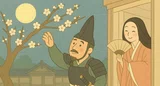
『源氏物語』は恋愛小説ではない!皇族VS藤原氏という裏テーマ

※English version below
桐壺帝の「政治的後宮人事」を読む
『源氏物語』の桐壺帝は、源氏の母である桐壺更衣が亡くなったあと、藤壺を迎える。
これ、よく考えるとかなり挑発的な人事ではないだろうか。
というのも、桐壺更衣は「身分が低い」とさんざん陰口を叩かれていた。
ところがそのあと帝は、今度は最大級に身分の高い女性を後宮に迎えるのだ。
言い方を変えると、
「桐壺更衣のときは身分が低いって文句言ったよね? じゃあ今度は最高ランクの人で同じことしますね」
と言っているようなものだ(笑)。
そんなに弘徽殿女御が嫌いなのだろうか……と最初は思った。
しかしどうも、そう単純な話でもないらしい。
桐壺帝がけん制しているのは、弘徽殿女御個人というより、
彼女の背後にいる右大臣家――つまり藤原氏の勢力なのではないか?
『源氏物語』の背景にある力関係
『源氏物語』は恋愛小説に見える。
しかしその背後では、
皇族の世界 VS 藤原氏の世界
という力関係が動いている。
これを意識するだけで、物語の見え方はかなり変わる。
光源氏を臣下にした意味
天皇の男の子供(皇子)は、通常「親王宣下」を受けて親王となる。
しかし、すべての皇子が親王になるわけではない。
後継者争いが激化するのを防ぐため、
あえて皇族から外し、姓を与えて臣下にすることもある。
これが臣籍降下である。
光源氏もまた、最愛の皇子でありながら臣下としての人生を歩むことになる。
おそらくこれは、
弘徽殿女御の皇子を東宮にする
という意思を明確に示す必要があったからだろう。
ここだけを見ると、桐壺帝が弘徽殿側に譲歩したようにも見える。
しかし、実際はもう少し複雑である。
親王という「使いにくい駒」
親王は、身分としては最高クラスである。
しかし政治の前線では、意外と動きにくい。
なぜなら親王は
個人というより「天皇家そのものの象徴」
として扱われる存在だからだ。
もし親王が露骨に政争の当事者になれば、
天皇家そのものを巻き込むことになる。
つまり、
身分は高いが、機動力は低い。
源氏という「高貴な遊撃手」
その点、光源氏は臣下である。
つまり
政治の世界に自由に入れる
しかし出自は帝の最愛の皇子
普通の臣下にはない権威と華やかさを持つ
という立場。
いわば彼は
皇族の神々しさ × 臣下の機動力
を併せ持った存在だ。
例えるなら「高貴な遊撃手」とでも言おうか。
須磨・明石巻の父帝の怒り
源氏が須磨・明石へ流れたとき、
桐壺帝の霊が夢に現れ、朱雀帝へ怒りのまなざしを向ける。
その結果、源氏は都に呼び戻された。
読み始めた頃は、
「なぜ自業自得ともいえる源氏をそこまで守るのだろう?」
と不思議だった。
しかし 皇族 VS 藤原氏 という構図を意識すると、少し見え方が変わる。
藤原氏の政治力が強いからこそ、それに対抗できる源氏の存在は、
桐壺帝にとって簡単に失ってよいものではなかったのだろう。
桐壺帝の限界
桐壺帝は生前、
弘徽殿女御ではなく藤壺を中宮に立て
皇族側の戦力を補強しようとした
しかし、それでも藤原システムは揺るがない。
その結果、『源氏物語』では
帝の愛 → 藤壺
政治の力 → 弘徽殿
美と才能 → 源氏
正統後継 → 朱雀帝
という、誰も完全には勝ちきれない構図が生まれる。
恋愛小説の裏にある政治
もちろん『源氏物語』は露骨な政治小説ではない。
美と情緒と心理描写でつづられていく物語である。
しかし、こうした力の配置を頭の片隅に置いて読むと、
物語はぐっと立体的に見えてくる。
恋愛と和歌の背後で、
皇族と藤原氏の力学が静かに動いている。
そんな『源氏物語』の読み方も、なかなか面白いと思うのだが、いかがだろうか。🌰
English version :This article discusses a political reading of The Tale of Genji, focusing on the power dynamics between the imperial family and the Fujiwara clan.
The Political Logic Behind Emperor Kiritsubo’s Court Decisions
At first glance, The Tale of Genji appears to be a romance.
However, if we look more closely at the early chapters, the political structure of the imperial court begins to emerge.
After the death of Genji’s mother, Kiritsubo Consort, Emperor Kiritsubo brings Fujitsubo into the court.
This decision is striking.
Kiritsubo Consort had been criticized for her low rank.
Yet the emperor then brings in a woman of the highest possible status.
In other words, it almost feels like the emperor is saying:
“You complained that the previous consort was too low in rank.
Very well — now I will do the same thing with someone of the highest rank.”
But the issue may not simply be personal rivalry with Kokiden Consort.
Rather, the emperor may have been trying to balance the growing political power of the Fujiwara clan, represented by the Right Minister’s family behind her.
Demoting Genji to a Subject
Imperial princes normally receive the title of prince (shinnō).
However, not all imperial sons become princes.
Sometimes they are given a surname and removed from the imperial line in order to prevent succession conflicts.
This process is known as demotion to subject status.
Genji is the emperor’s beloved son, yet he is made a subject.
At first glance, this looks like a concession to Kokiden’s faction.
But the situation may be more complex.
A Noble Yet Mobile Political Actor
Imperial princes possess the highest rank, but they are not always politically flexible.
A prince represents the imperial family itself.
If he becomes deeply involved in factional conflict, the authority of the throne could be dragged into political struggles.
Genji, however, occupies a unique position.
He is technically a subject, meaning he can move freely within the political world.
Yet he also carries the prestige of being the emperor’s beloved son.
In a sense, Genji becomes something like a noble free agent within the political arena.
The Political Layer Beneath the Romance
The Tale of Genji is certainly not a straightforward political novel.
It is filled with beauty, poetry, and emotional nuance.
Yet if we keep in mind the tension between
the imperial family and the Fujiwara clan
the story suddenly gains a new dimension.
Behind the world of love and poetry, the subtle mechanics of power are constantly at work.
And reading the story with this perspective can make it feel surprisingly real.