Take an artistic stroll through Daimaruyu, one of Japan’s leading business and culture districts.

Even an aimless stroll through a place allows us to encounter its history, culture, and living values. Here we present an art map of the Otemachi, Marunouchi, and Yurakucho areas––one created from the connections born out of the Tokyo Biennale.
Wandering through Daimaruyu, where business meets culture and the arts

*The information in this map and article are as of January 2025. Please check the websites of each facility for the latest information before visiting.
“Daimaruyu” is the moniker for the section of Tokyo encompassing Otemachi (“Dai”), Marunouchi (“Maru”), and Yurakucho (“Yu”), business zones that have driven the Japanese economy since the advent of the modern era. In recent years, this district has also gained a reputation as a fun and exciting place to visit on days off. Maybe you’ve heard how its streets are lined with popular shops and restaurants, and that it is also a top destination in Tokyo for art?

Daimaruyu is one of the Tokyo Biennale’s main areas of focus. As a place with global influence, it boasts a variety of public artworks and art facilities that anyone can stop by and enjoy. We recommend bringing along the “Otemachi Marunouchi Yurakucho Art Map” as your companion when strolling through this part of town.
One way to enjoy Daimaruyu is to amble around Marunouchi Street Gallery, a street block filled with works by renowned Japanese and international artists, such as Kohei Nawa and Henry Moore. The whole quarter can be experienced as an open-air museum.
While Daimaruyu is home to many buildings evoking a sense of history, such as the beautiful red brick Mitsubishi Ichigokan Museum, and Tokyo Station Gallery utilizing the original structure of the Marunouchi Station House at Tokyo Station, there are also many places to encounter the latest art––just one of the joys of walking around here. The Otemachi Marunouchi Yurakucho Art Map spotlights a total of 53 recommended locations for art browsing. It also features video commentary by art experts guiding you through selected sites.
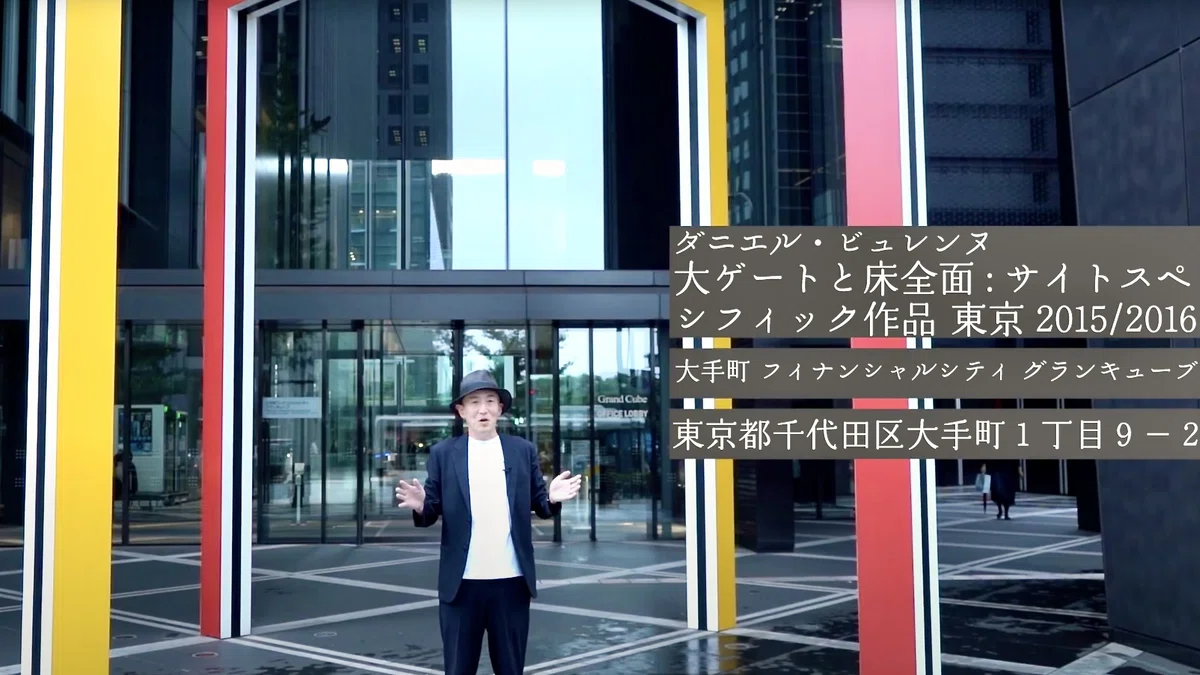
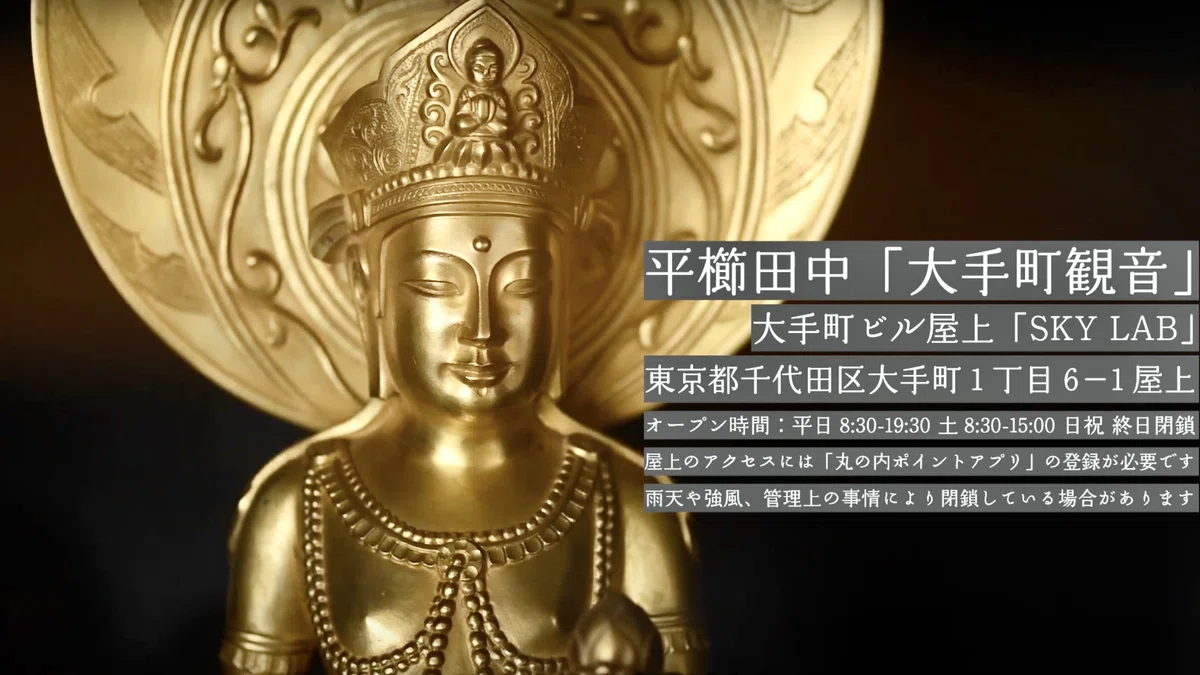
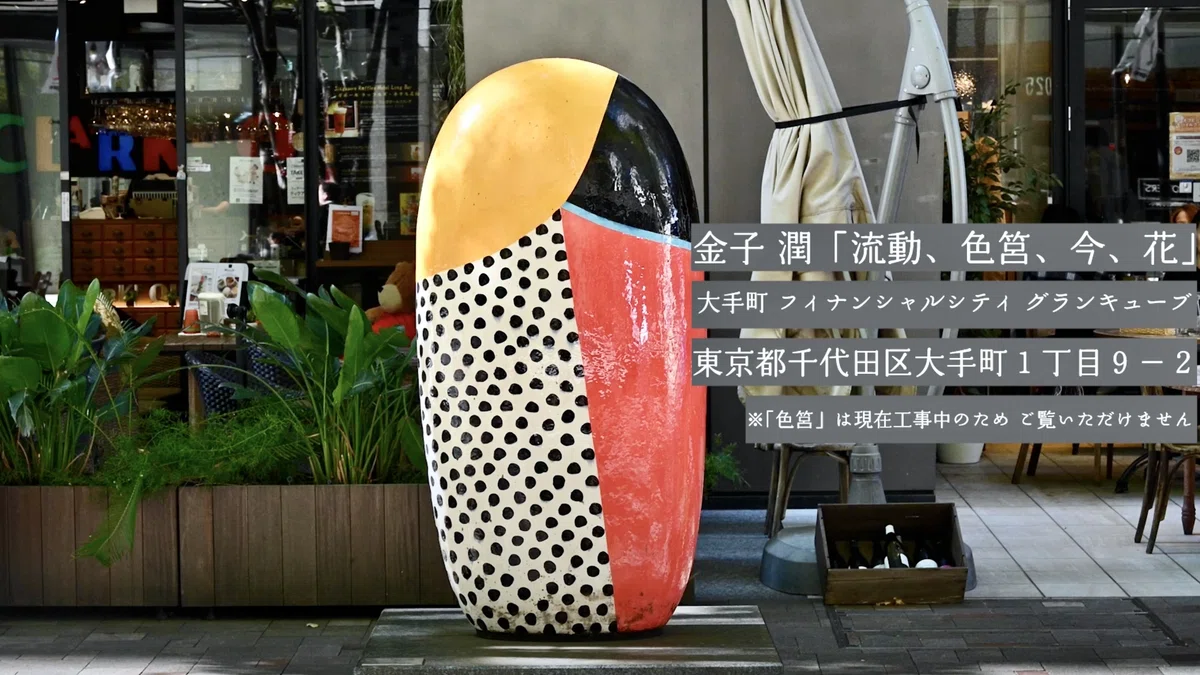
The Making of an Art Map
Tokyo Biennale takes place in diverse locations throughout the city. Daimaruyu, as somewhere that art springs up among streets filled with business people, shoppers, and diners, is one of the festival’s most experimental areas.

Daimaruyu provides fertile grounds for experimental intersections of art and commerce. To communicate their missions and identities through art, the major companies based here display public art by top creators around their premises. Art-based community development initiatives have been gaining momentum here in recent years as well. Steady achievements such as these are helping to make the Tokyo Biennale a reality.


Activities like these, uncovering charms of the city and its art through maps, are shaping up into a new project for this autumn’s Tokyo Biennale 2025. We hope to see you then!
Writer/Editor: Shinichi Uchida
Translator: Jennifer Pastore