










NASA Science
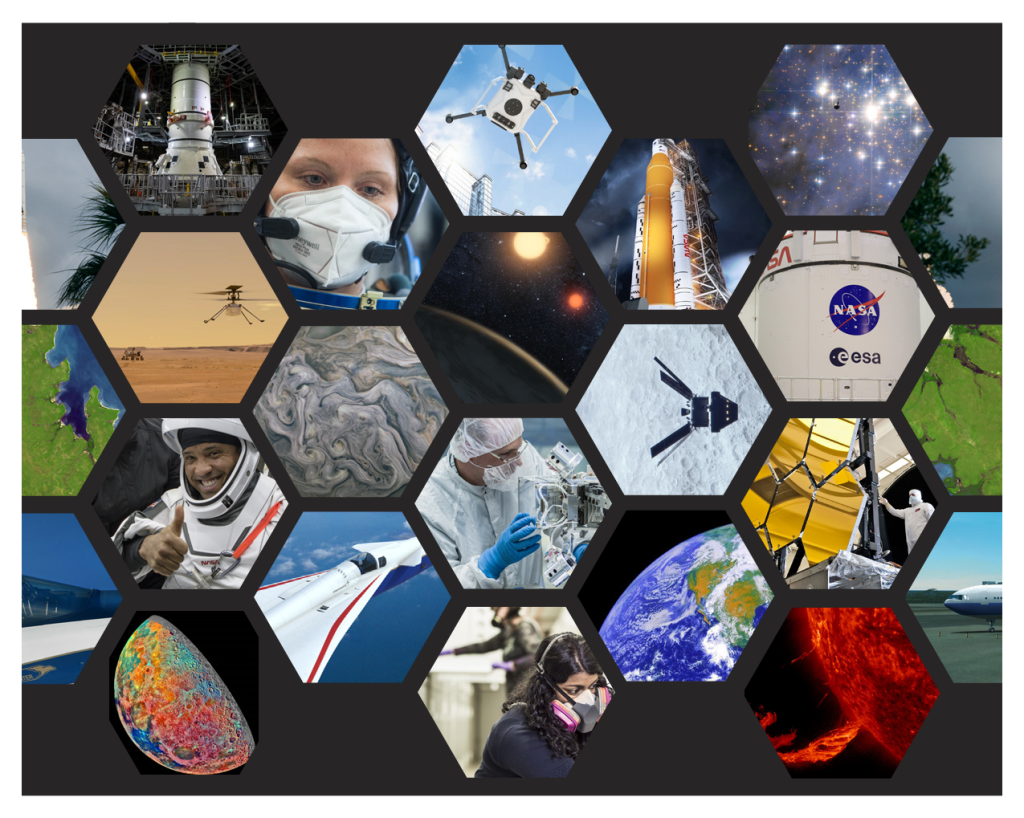
NASA Science seeks to discover the secrets of the universe, search for life elsewhere, and protect and improve life on Earth and in space.


Adopt a Pixel
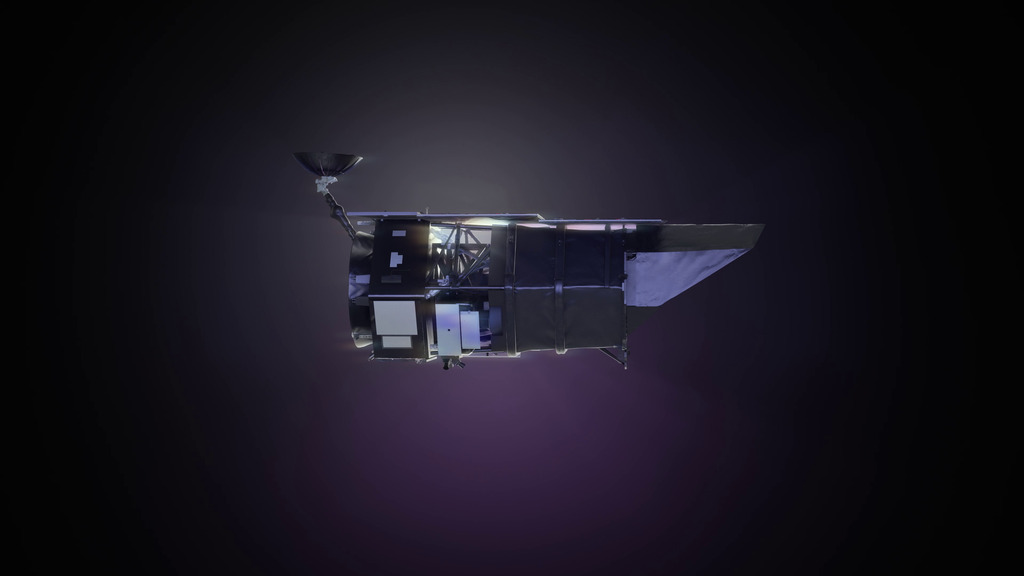
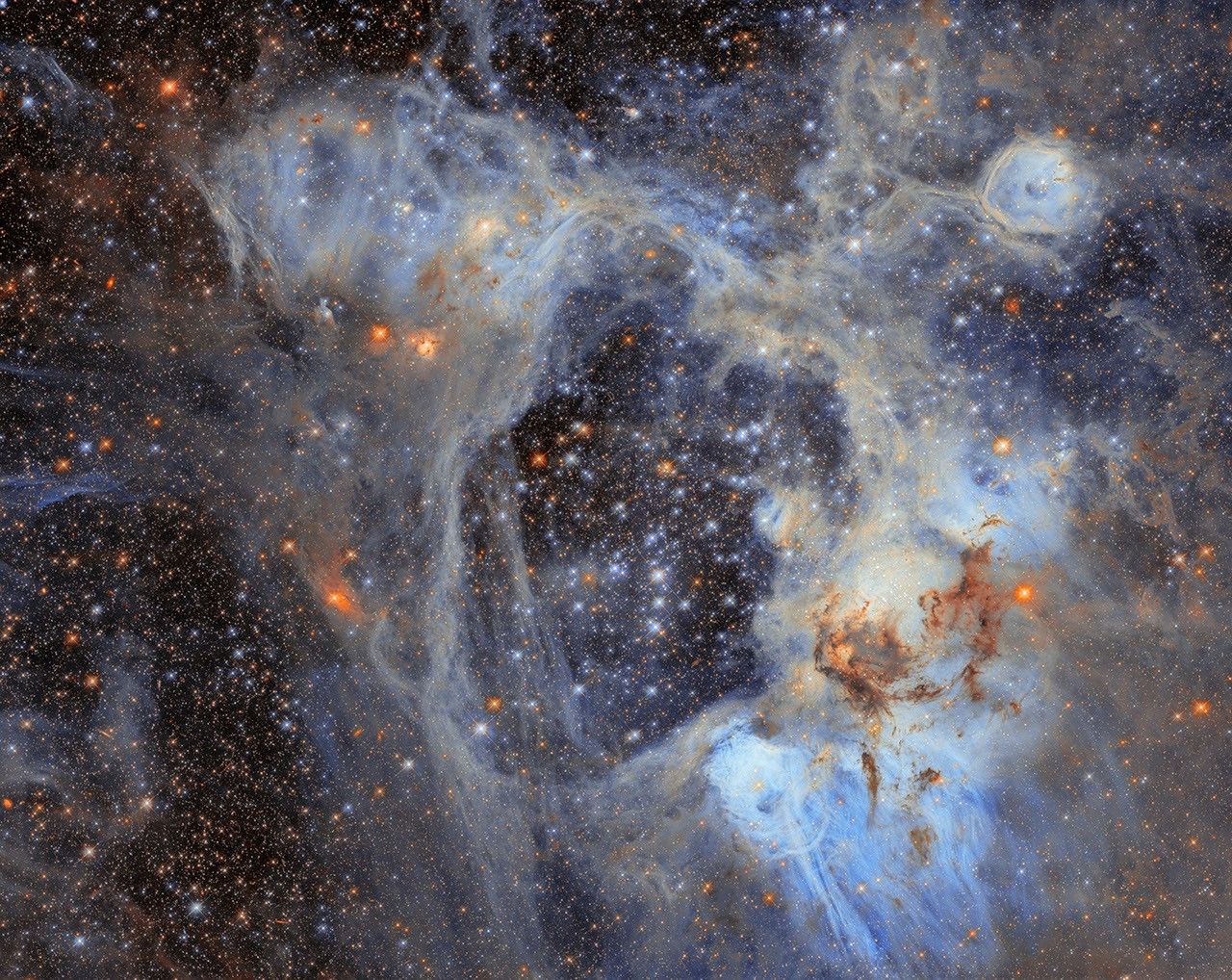
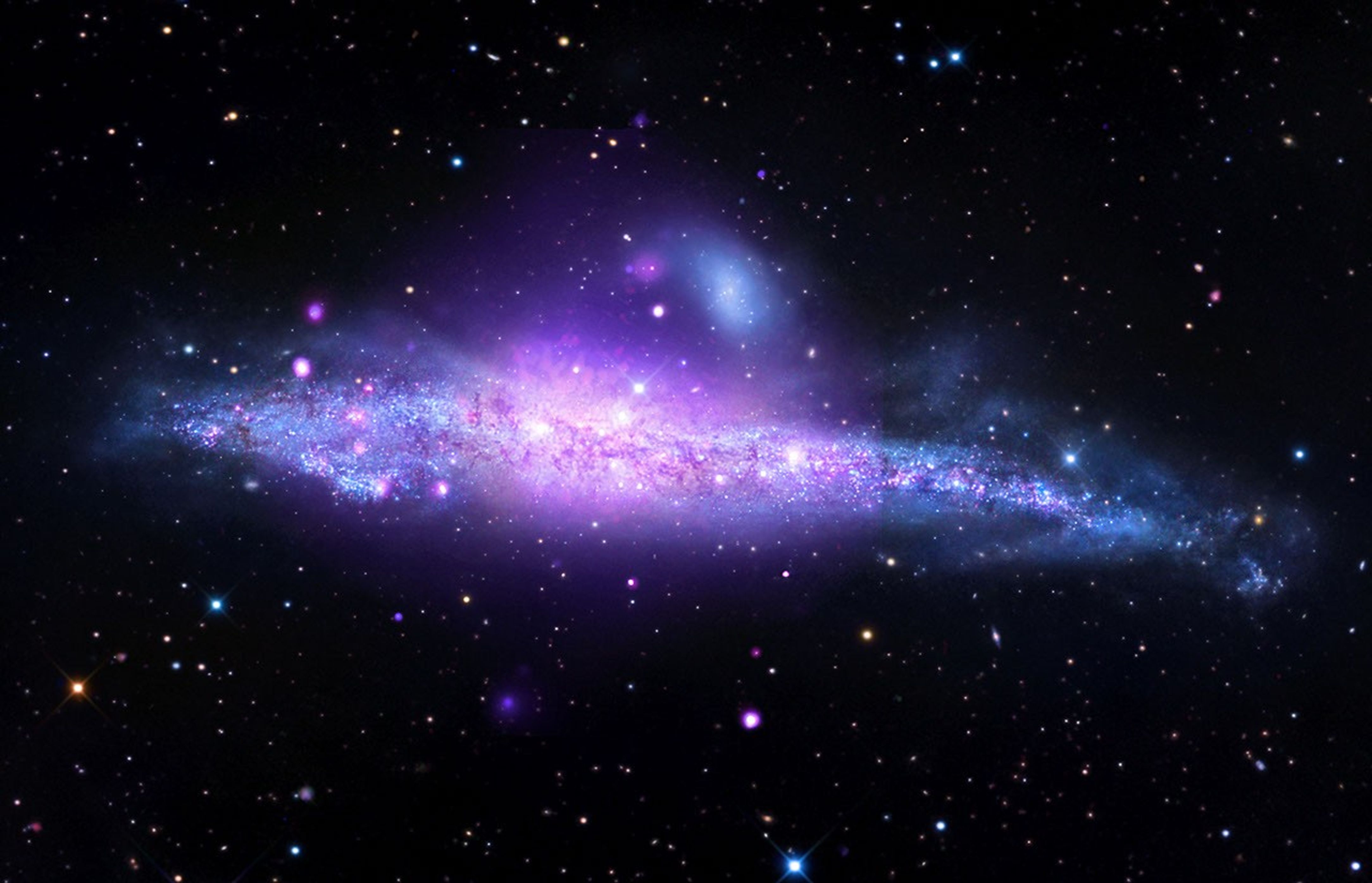
Claim your pixel on one of the first images from NASA’s Nancy Grace Roman Space Telescope! When Roman captures its first images, each pixel will represent a piece of the cosmos never seen before at this resolution. Claim your pixel and be part of this historic moment!
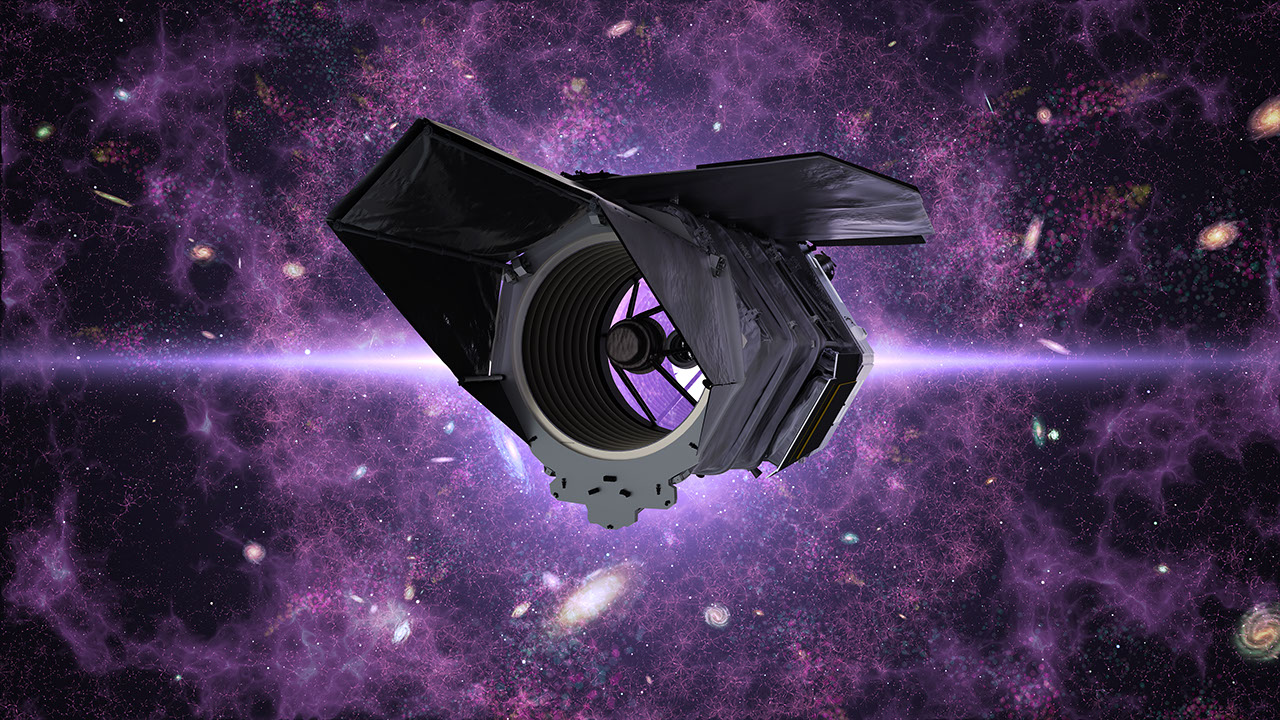
Where’s Roman?
2026 NASA Science Calendar
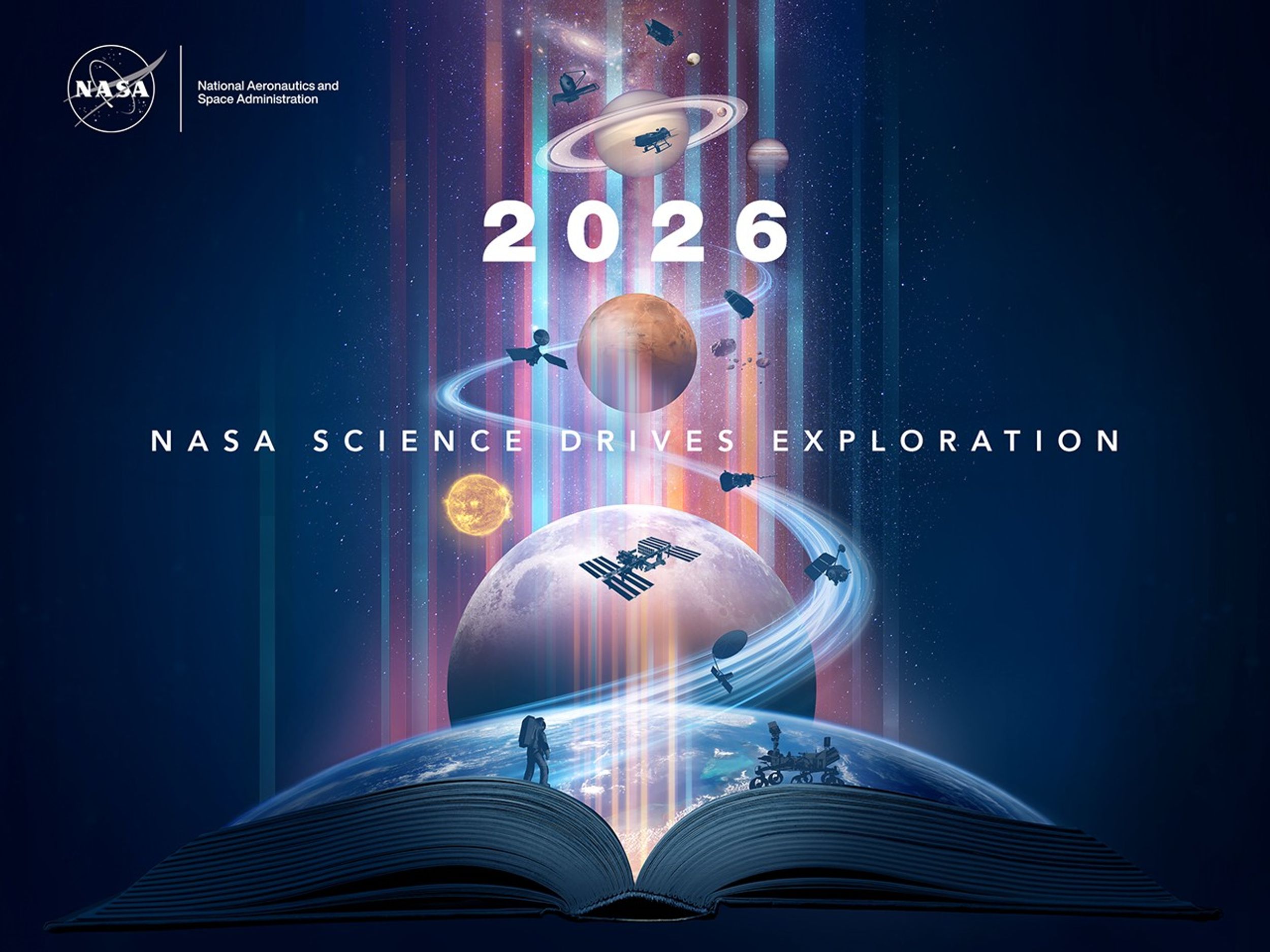
Download the Cover
Learn about those of the NASA corps who make “space sailing” their career profession.

What’s Up: September 2026 Skywatching Tips from NASA
The Moon joins a tea party, Venus reaches peak brilliance, the seasons change, and the Harvest Moon meets up with some planetary neighbors.
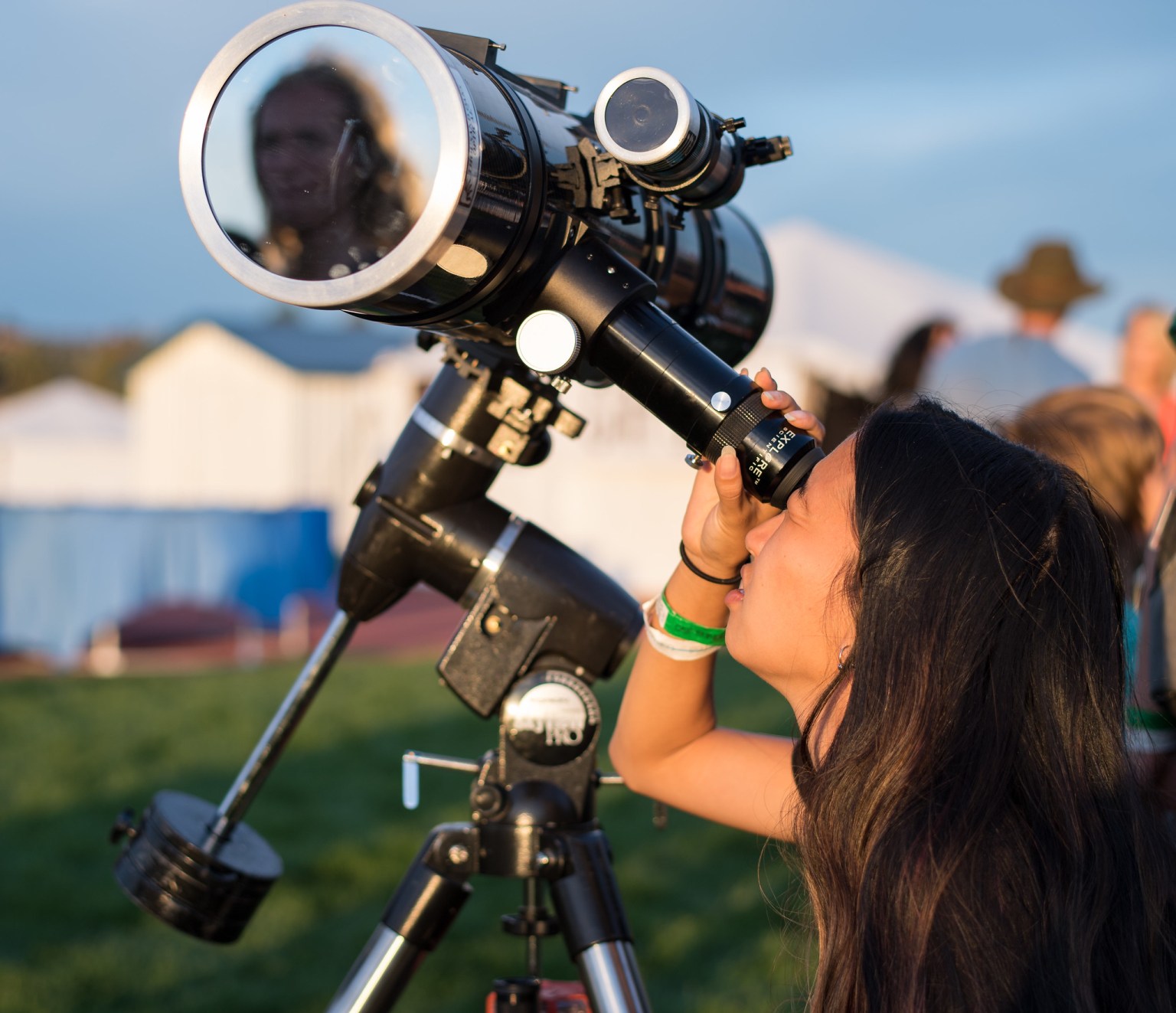
On September 19, celebrate International Observe the Moon Night! People around the world are invited to look up and connect with our nearest celestial neighbor while learning more about lunar science, exploration, and the many ways the moon has shaped cultures around the world.
Watch to learn more!
A Spaceship Called Earth
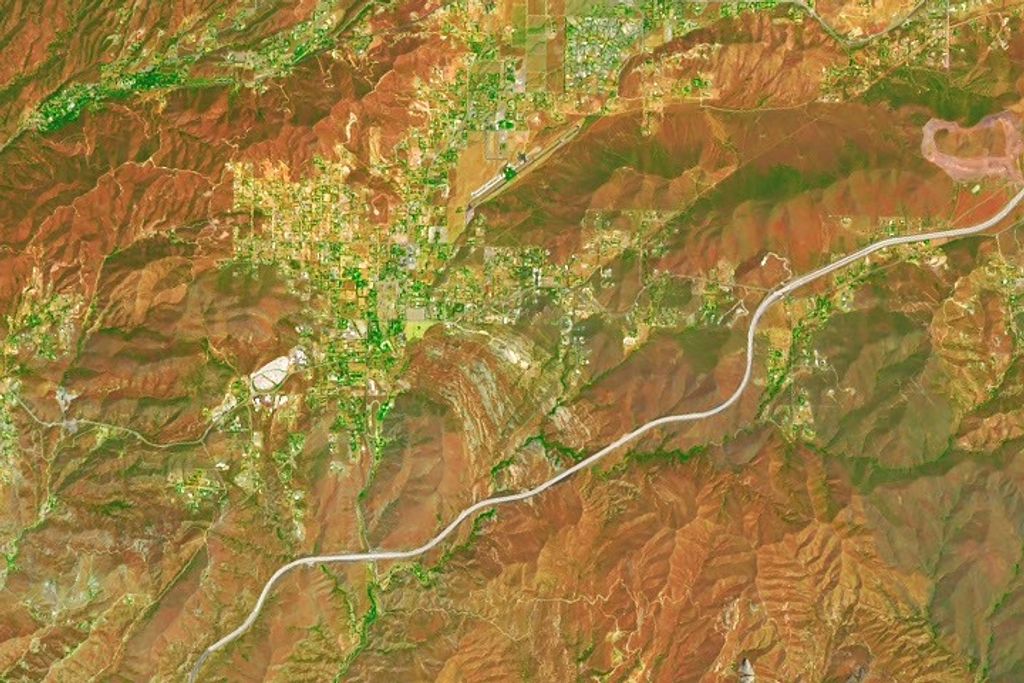
With NASA’s “Your Name in Landsat” online interactive, users can type in their name, then view and export the graphic of that name spelled out in Earth features found in Landsat images.
See Your Name in Landsat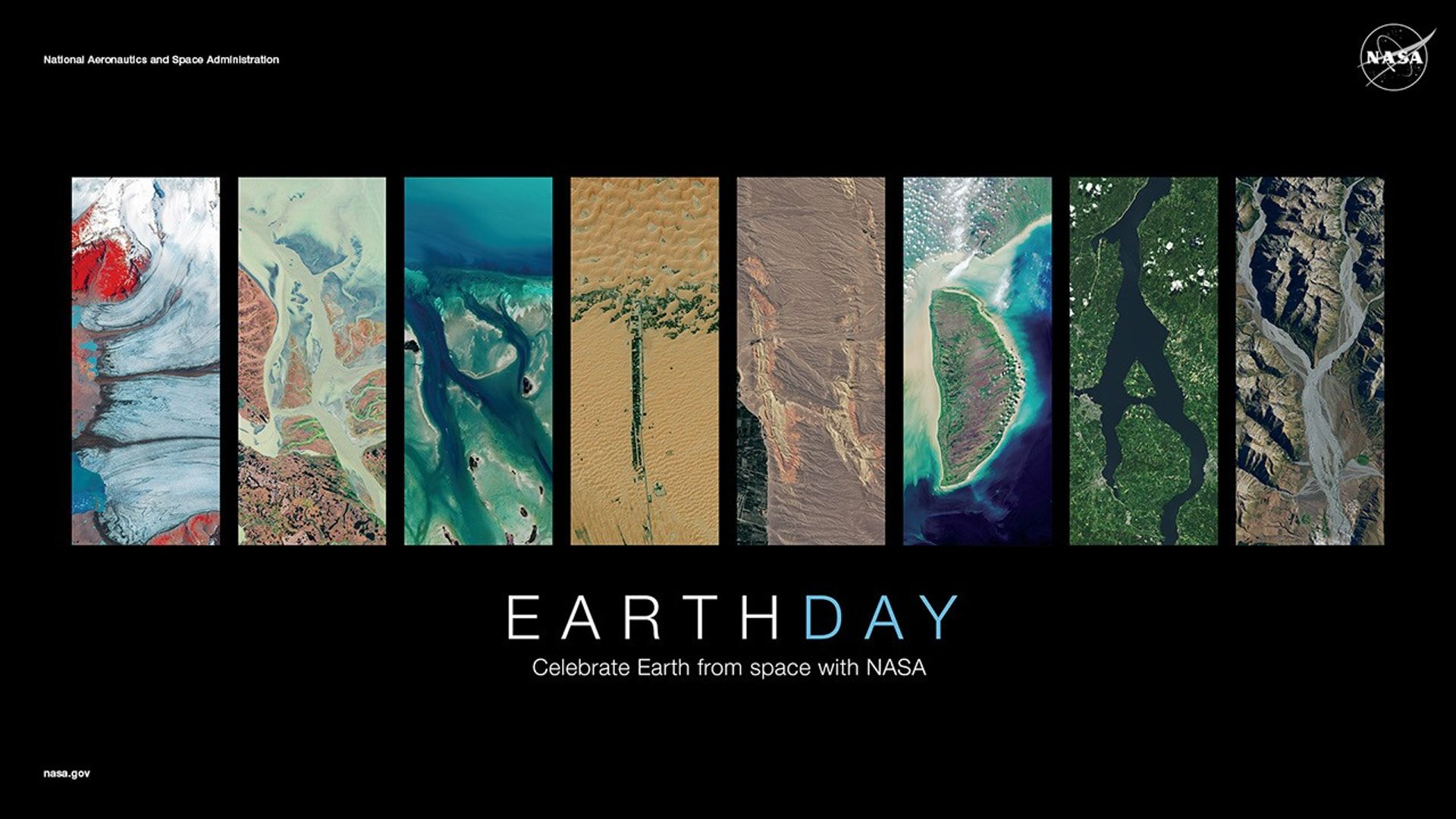
Most Notable 2026 Astronomical Events
This year will be busy for avid skywatchers, with some incredible opportunities to view meteor showers, planets, and the Moon in the night sky.
See the Top Sky Watching Events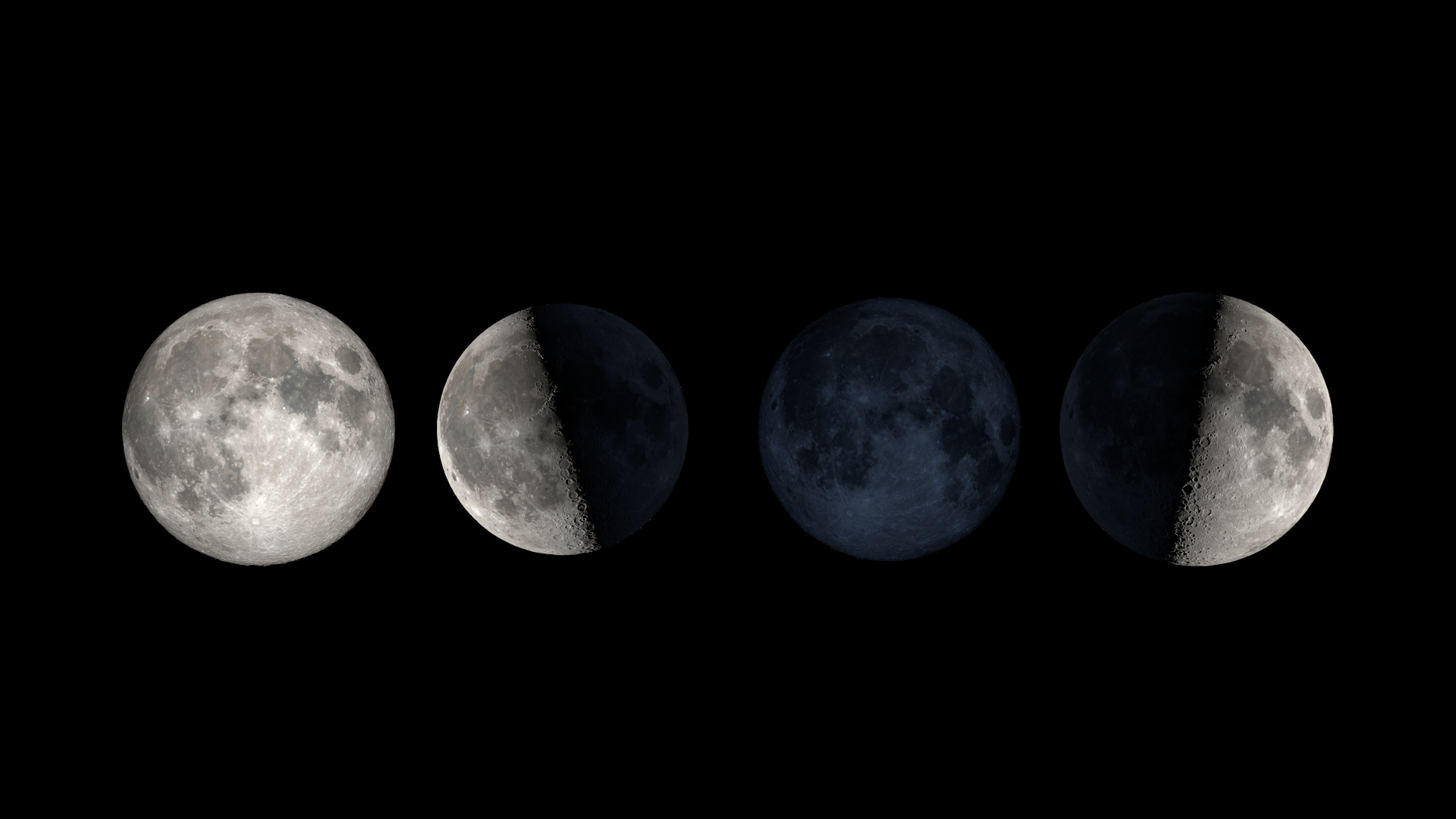
Featured Missions
Our mission milestones showcase the breadth and depth of NASA science.

IMAP
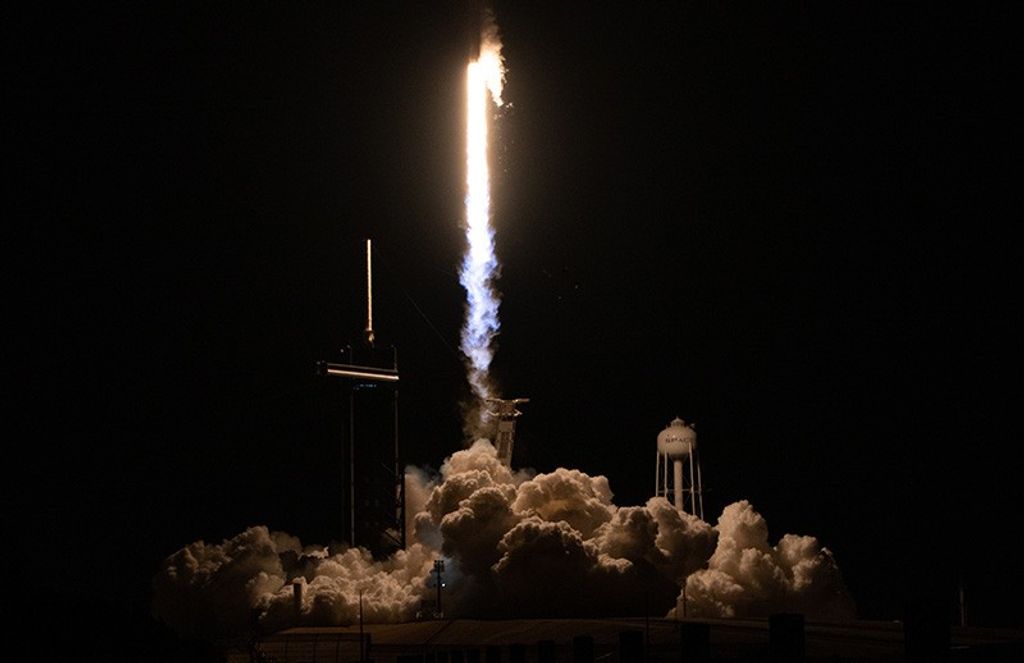
Launched September 24, 2025, IMAP will help researchers better understand the boundary of the heliosphere, a huge bubble created by the Sun surrounding and protecting our solar system.
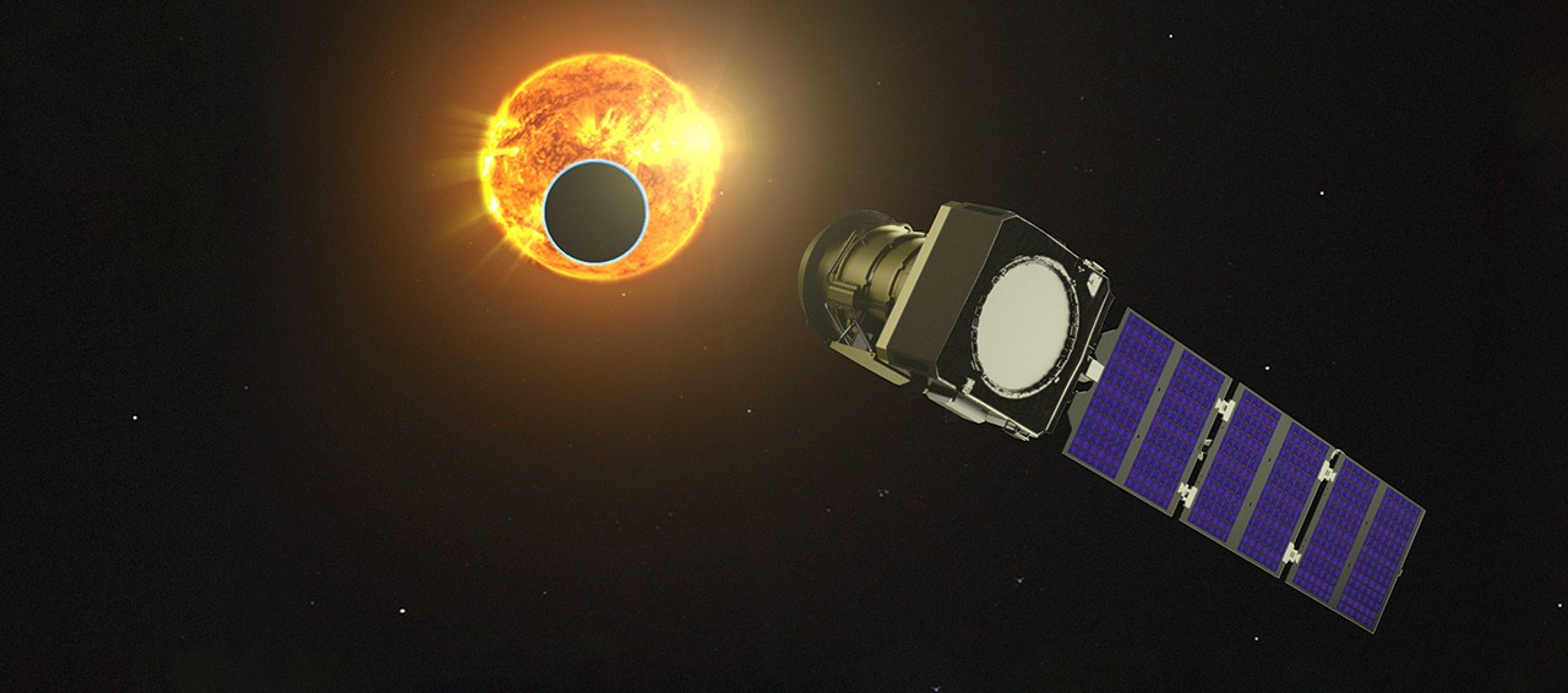
Pandora
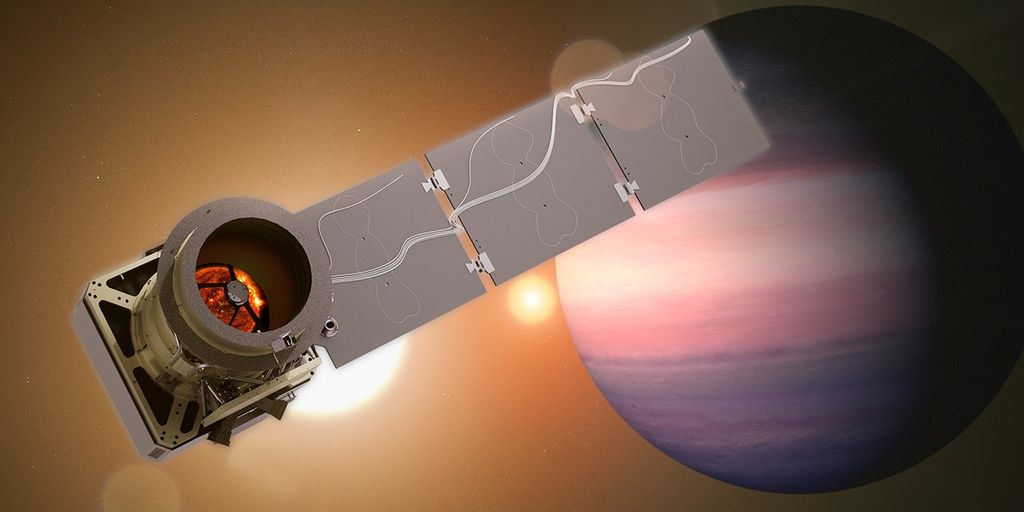
Pandora is a small satellite designed to characterize exoplanet atmospheres and their host stars. It is slated to observe at least 20 different planets during its one year of science operations.
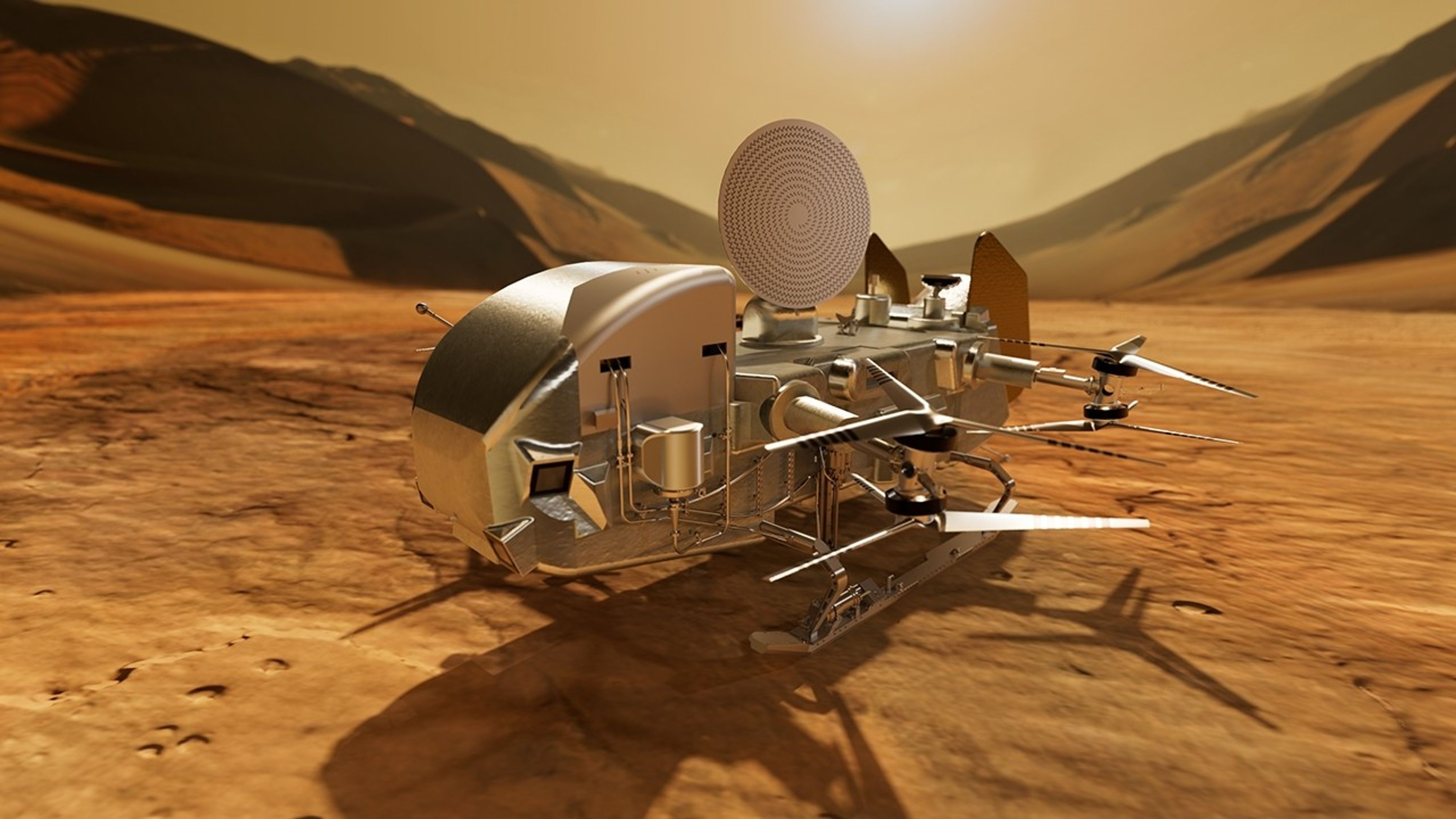
Dragonfly
Dragonfly, the first-of-its-kind rotorcraft to explore another world, will fly to various locations on Saturn’s moon Titan and investigate the moon’s habitability.
Dive Deeper
NASA Science Strategy
Our science strategy articulates a forward-thinking vision and presents a comprehensive, cohesive and long-term roadmap for all NASA activities.

People of NASA Science
Meet the individuals who are instrumental in enabling the realization of NASA Science’s extraordinary mission.

NASA Science Careers
Discover career opportunities at NASA Science, where innovation, growth and collaboration shape the future of scientific exploration.