

Hello Geeks,
This is a sample course review to show the format of writing a course review. It would take just about an hour to write a course review, and it’s quite easy.
Include necessary tips and give an honest assessment of the course's strengths and areas for improvement, so that anyone else can refer to it to learn about the course. By writing a thoughtful course review, you contribute to a more informed and supportive learning community, helping others make better decisions about their educational paths.
Steps for Writing a Course Review
You can write an article on GeeksforGeeks Write Portal.
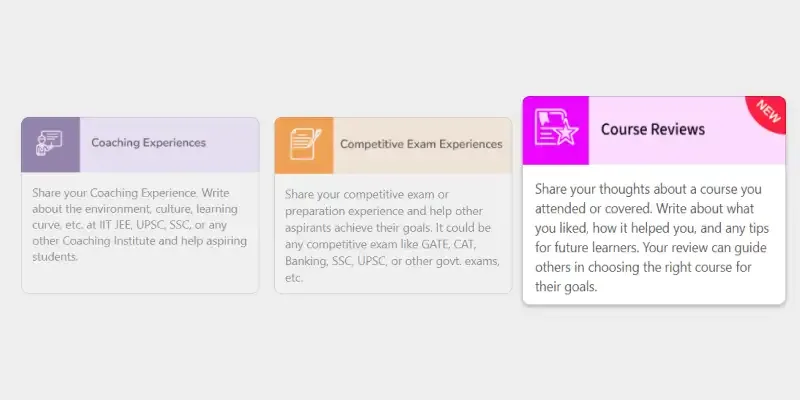
After creating the article, the author may use the preview button to see how it looks and submit it for review and the status of your article will become Pending. The team reviews your article and gives you feedback in comments under the article and saves your article status to Awaiting Author. Finally, after you have made all the required improvements, your article status becomes In Review, which means it has been approved and is going to get published soon. When your article gets published, the status of your article becomes Published.
1. Overview of the Course
Begin your review by providing a brief overview of the course. Include the course title, the platform or institution offering it, and the subject or skills covered. This helps potential learners quickly understand what the course is about.
2. Course Content and Structure
This is one of the most important aspects of a course review. Describe the course material in detail. Was the content comprehensive and well-organized? Did it cover the subject in a clear, logical order?
- Course structure: Explain whether the course was broken down into manageable sections or modules. Was there a natural progression from beginner to more advanced topics?
- Relevance: Mention if the content was relevant and up-to-date with current trends and practices.
- Learning materials: Discuss the types of materials used—videos, readings, exercises, quizzes, or projects. Were these resources engaging and effective?
3. Teaching Quality
Reflect on the quality of the instructor's teaching. A great instructor can make a big difference in how well students absorb the material. Consider these points when evaluating teaching quality:
- Clarity: Did the instructor explain concepts clearly and in an engaging way?
- Engagement: Were the lessons interactive and easy to follow?
- Support: Was the instructor available to answer questions or provide feedback?
- Pacing: Did the course move at an appropriate pace, or did you feel it was too fast or too slow?
4. Skills and Knowledge Gained
Discuss what you learned and how the course helped you develope new skills or deepen existing ones.
- Practical application: Did the course provide real-world applications, such as projects, case studies, or hands-on assignments?
- Confidence: Were you able to apply what you learned in practical scenarios after completing the course?
- Skills acquired: Mention any specific tools, techniques, or knowledge you gained and how they have impacted your personal or professional growth.
5. Pros and Cons
A balanced review is helpful to future learners. Be honest about both the strengths and weaknesses of the course.
- What worked well: Highlight the positive aspects of the course, such as interactive lessons, great support, or well-organized content.
- What could be improved: Point out areas where the course could be improved, whether it's the course content, instructor's delivery, or platform functionality. Be constructive in your feedback.
6. Prerequisites
If the course required prior knowledge or experience, be sure to mention it.
- Level of difficulty: Was the course designed for beginners, or did it assume knowledge of certain topics?
- Pre-requisite knowledge: Did you feel that the course would be difficult for beginners, or would it be manageable for someone with a certain level of background knowledge?
- Additional resources: If there were any foundational resources you would recommend before taking the course, mention them here.
7. Tips for Future Learners
Sharing your personal tips can be very helpful for future learners.
- Advice on course success: Was there a particular approach or strategy you used to succeed in the course?
- Challenges: What were the most difficult parts of the course, and how did you overcome them?
- External resources: If you found any external resources (such as books, websites, or additional courses) that helped you, recommend them to future learners.
Note: You can check sample course reviews here - Courses Reviews Archives
Conclusion
Writing a course review isn’t just about sharing your experience—it’s about making a difference for future learners. By sharing what worked well and what didn’t, you’re helping others make more informed choices and giving valuable advice that can save them time and frustration. Whether you loved the course or found it challenging, your honest feedback contributes to the community and makes learning a more enjoyable and transparent process for everyone. So, take a few minutes to reflect on your experience, share your thoughts, and let your review be the guide someone else needs to start their own learning journey!
