

Intellectual Property (IP) in cyberspace refers to the protection of creations of the human mind within digital environments. As the internet enables rapid sharing, copying and distribution of information, protecting intellectual property has become a critical concern for individuals, organizations, software developers, content creators and businesses.
Types of Intellectual Property in Cyberspace
Commonly Four types of Intellectual Property:
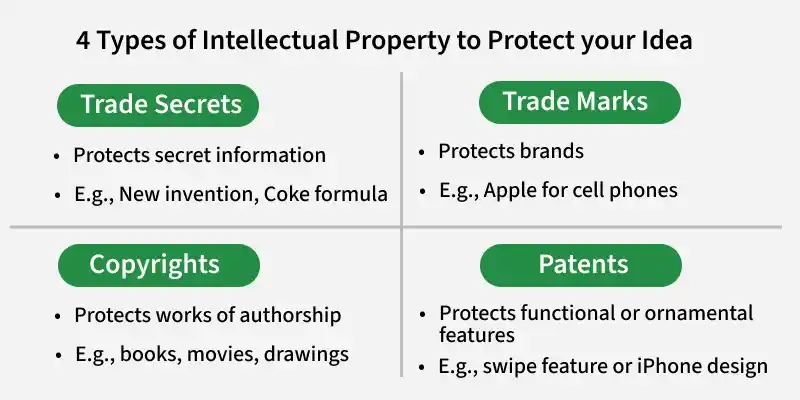
- Copyright: Protects original digital content such as software, articles, images, videos and website materials from unauthorized use or distribution.
- Patent: Protects innovative technological inventions and processes, giving inventors exclusive rights to their creations.
- Trademark: Protects brand identities such as names, logos and symbols that distinguish products or services in the digital marketplace.
- Trade Secrets: Protect confidential business information, such as source code and proprietary algorithms, that provides a competitive advantage.
Intellectual Property Threats in Cyberspace
Digital environments expose intellectual property to various security risks.
- Software Piracy: Unauthorized copying, distribution, or use of software without the owner's permission.
- Copyright Infringement: Illegal reproduction, sharing, or use of copyrighted digital content without authorization.
- Source Code Theft: Unauthorized access and theft of proprietary source code from software repositories or systems.
- Digital Counterfeiting: Misuse of trademarks or branding online to create and sell fake products or services.
- Data Theft: Unauthorized acquisition of sensitive or proprietary information through cyberattacks or other illicit means.
Protection Mechanisms for Intellectual Property
- Access Control: Restricts access to digital assets by allowing only authorized users to view or modify them.
- Encryption: Protects intellectual property by converting data into a secure format that unauthorized users cannot read.
- Digital Rights Management (DRM): Controls how digital content is accessed, copied and distributed.
- Watermarking: Embeds ownership information into digital content to help identify and prevent unauthorized use.
- Security Monitoring: Continuously monitors systems to detect and respond to intellectual property theft or misuse.
Copyright Laws in Cyberspace
- Digital Millennium Copyright Act (DMCA, 1998): Provides a legal framework for protecting copyrighted digital content and addressing online infringement.
- WIPO Copyright Treaty (1996): Establishes international standards for protecting copyright in digital networks and internet-based environments.
- EU Copyright Directive: Strengthens copyright protection for digital content and defines the responsibilities of online platforms within the European Union.
Trademark Laws in Cyberspace
- Purpose: Safeguards brand identity in cyberspace by preventing unauthorized use of trademarks on websites, domains and digital platforms.
- UDRP (Uniform Domain Name Dispute Resolution Policy): Enables trademark owners to resolve cybersquatting disputes and recover infringing domain names.
- Lanham Act (United States): Provides legal protection against trademark infringement, dilution and deceptive online branding practices.
- EU Trademark Directive: Harmonizes trademark protection across EU member states and supports enforcement against digital trademark violations.
Best Practices
- Register copyrights, patents and trademarks where applicable.
- Implement strong authentication and access controls.
- Encrypt sensitive intellectual property assets.
- Monitor networks for unauthorized access and data leakage.
- Conduct regular security audits and risk assessments.
- Train employees on intellectual property protection policies.
- Maintain secure backups of critical digital assets.
