






NASA’s Commercial Crew Program Press Kit
NASA works with the American aerospace industry through a public-private partnership to launch astronauts on American rockets and spacecraft from American soil.
TODAY
Missions Launched
Months Until Next Crewed Mission
What is commercial crew?
NASA’s Commercial Crew Program is delivering on its goal of safe, reliable, and cost- effective human transportation on International Space Station missions from the United States through a partnership with American private industry. A new generation of spacecraft and launch systems capable of carrying astronauts to low Earth orbit and the space station provides expanded utility, additional research time, and broader opportunities for discovery on the orbiting laboratory.
At the Station




NASA uses the International Space Station as a critical testbed to understand and overcome the challenges of long-duration spaceflight. As commercial companies focus on providing human transportation services to and from low-Earth orbit, NASA will focus on building spacecraft for deep space missions. With the ability to obtain transportation from Boeing and SpaceX on a fixed-price contract, NASA will use resources to put the first woman and the first person of color on the Moon as a part of the agency’s Artemis missions in preparation for human missions to Mars.
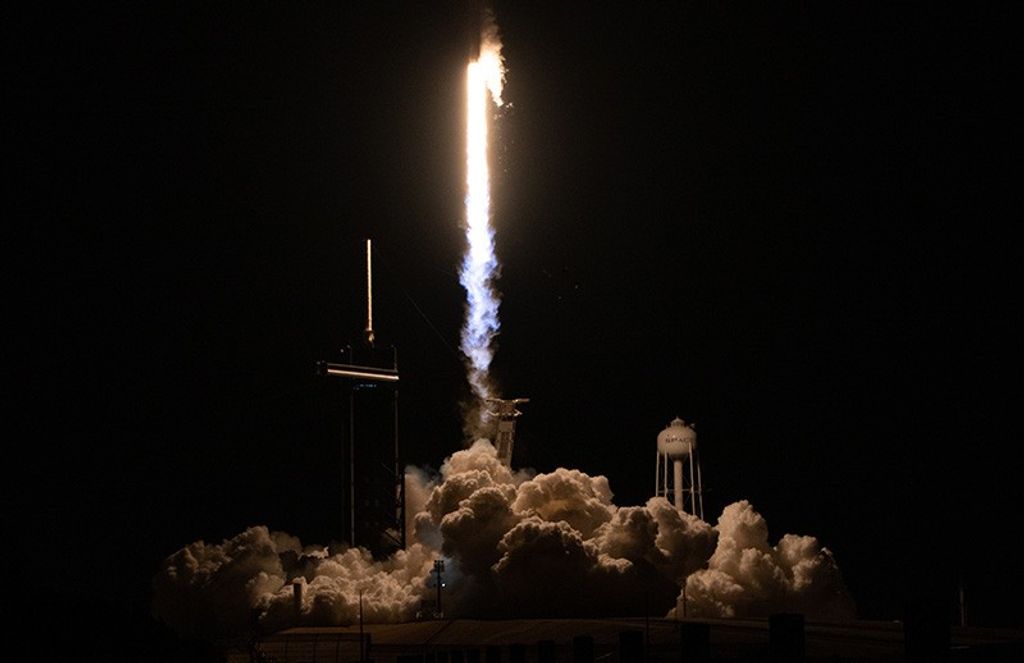
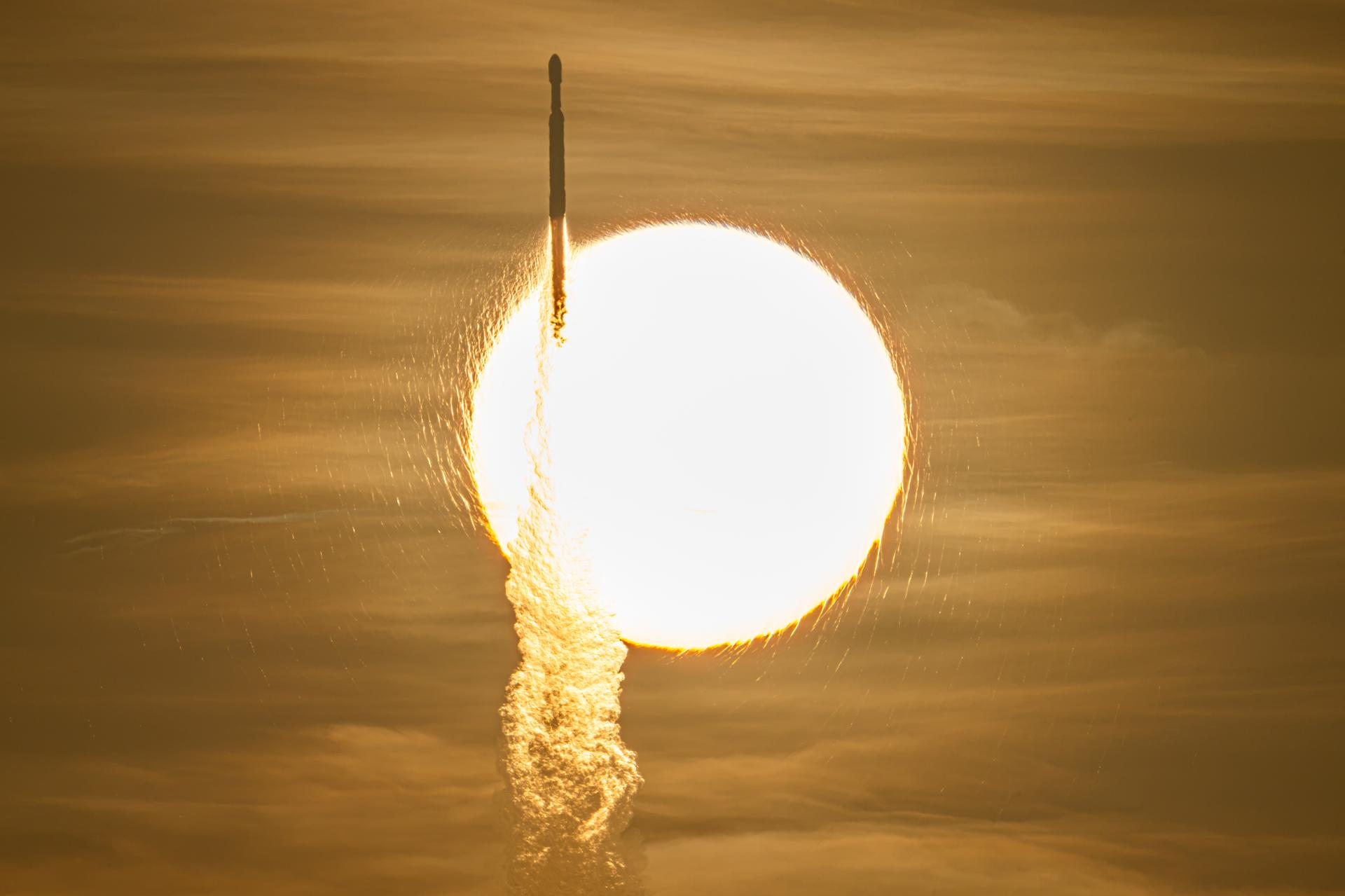
NASA certified SpaceX’s crew system and started regular missions with astronauts to the space station. SpaceX’s Dragon spacecraft launches on the company’s Falcon 9 rocket from Launch Complex 39A at NASA’s Kennedy Space Center in Florida.
NASA and Boeing launched the company’s Crew Flight Test on the Starliner spacecraft in June 2024, to prove its capability to carry astronauts to low-Earth orbit and the orbiting laboratory. The crewed mission follows an end-to-end flight test, known as Orbital Flight Test 2 (OFT-2), that launched on a United Launch Alliance Atlas V rocket from Space Launch Complex 41 on Cape Canaveral Space Force Station in Florida May 19, 2022. If approved, NASA’s Boeing Crew Flight Test mission will pave the way for the agency’s certification of Boeing’s astronaut transportation system for regular missions to the space station.
How is NASA’s Commercial Crew Program different?
NASA’s Commercial Crew Program represents a revolutionary approach to government and commercial collaborations for the advancement of space exploration.
NASA’s Prior Approach for Obtaining Crew Transportation Systems
Since the Mercury program in the early 1960s, NASA used an almost identical operating model to achieve its goals of human spaceflight. This includes the Space Shuttle Program and the American portions of the International Space Station. NASA would identify a need for a crew transportation system, and then the agency’s engineers and specialists would oversee every development aspect of the spacecraft, support systems, and operations plans. A commercial aerospace contractor would build the system, ensuring that it meets the specifications spelled out by the agency. NASA personnel was heavily involved and oversaw the processing, testing, launching, and operation of the crew system to ensure safety and reliability. All of the hardware and infrastructure was owned by NASA.
Commercial Crew’s Approach for Obtaining Crew Transportation Systems
NASA identified a need for a crew transportation system and a broad set of requirements that would be necessary to ensure crew safety. In the case of commercial crew, the need centered around a safe, reliable, and cost-effective means of getting humans to low-Earth orbit, including the International Space Station, and return safely to Earth. Interested companies are encouraged to apply their most efficient and effective manufacturing and business operating techniques. The companies own and operate their hardware and infrastructure. NASA’s engineers and aerospace specialists work closely with the commercial companies, allowing for substantial insight into the development process and offering up expertise and available resources.
A New Model
NASA’s Commercial Crew Program is the first time the current commercial model has been implemented at the agency.
Learn More
National Investment
NASA, Boeing, and SpaceX, with the help of contractors throughout America, have dedicated countless hours to the agency’s Commercial Crew Program to achieve a common goal: restore our nation’s ability to launch humans to the International Space Station from American soil.
This government-private industry partnership has significant economic benefits, with more than 1,000 suppliers employing workers in all 50 states to support commercial crew spacecraft systems. Contractors apply the most efficient and innovative approaches to launch astronauts back into low-Earth orbit on American-made spacecraft and rockets.
Commercial Crew Timeline
2010
NASA invests about $50 million for Commercial Crew Development Round 1 (CCDev1) to stimulate efforts within the private sector to aid in the development and demonstration of safe, reliable, and cost-effective crew transportation capabilities. The companies include:
- Blue Origin
- Boeing
- Paragon Space Development Corporation
- Sierra Nevada Corporation
- United Launch Alliance
2011
NASA develops partnerships with industry through Commercial Crew Development Round 2 (CCDev2) by awarding nearly $270 million to four companies and providing expertise to an additional three companies to further development and demonstration of safe, reliable and cost-effective transportation capabilities. The agency’s funded agreements are with:
- Blue Origin
- Boeing
- Sierra Nevada Corporation
- SpaceX
The agency’s unfunded agreements are with:
- Alliant Techsystems Inc.
- Excalibur Almaz I
- United Launch Alliance
2012
Commercial Crew Integrated Capability (CCiCap) continues the development of three fully integrated systems in August 2012. The Space Act Agreements call for industry partners to develop crew transportation capabilities and to perform tests to verify, validate and mature integrated designs. Companies include:
- Boeing
- Sierra Nevada Corporation
- SpaceX
2013
Kickoff of the Certification Products Contracts (CPC), is the first of a two-phase certification plan. The three U.S. companies work with NASA to develop data products to implement the agency’s flight safety and performance requirements. This includes implementation across all aspects of the space system, including the spacecraft, launch vehicle, and ground and mission operations. NASA awards a total of about $30 million under the CPC contracts.
Companies include:
- Boeing
- Sierra Nevada Corporation
- SpaceX
2014
Commercial Crew Transportation Capability (CCtCap), the second of a two-phase certification plan for commercially built and operated integrated crew transportation systems, begins. Through its certification efforts, NASA will ensure the selected commercial transportation systems meet the agency’s safety and performance requirements for transporting NASA crew to the International Space Station. NASA awards a total of $6.8 billion under CCtCap contracts.
Companies include:
- Boeing
- SpaceX
2015
NASA names four astronauts as Commercial Crew Cadre to work with Boeing and SpaceX as the companies refine their spacecraft systems. The crew provides invaluable user experience feedback to help shape their hardware and systems to ensure they are ready for flight. NASA astronauts include:
2016
Boeing and SpaceX design and manufacture hardware for testing to ensure their spacecraft can handle the harsh environment of space. The International Docking Adapter is installed on the International Space Station. Two adapters will ultimately serve as the docking points for Boeing’s Starliner spacecraft and SpaceX’s Dragon spacecraft.
2017
Boeing and SpaceX continue development and testing to prepare for emergency situations and ensure human safety. Boeing and SpaceX unveil brand-new spacesuits to be worn by crews while on board each company’s spacecraft.
2018
Testing ramps up and nears completion for Boeing and SpaceX as they prepare their hardware, systems, flight crews and ground support teams for launch.
NASA assigns nine astronauts to crew Boeing and SpaceX’s test flights and first operational missions on the Starliner spacecraft and Dragon spacecraft.
2019
Flight Tests Completed:
- NASA’s SpaceX Demo-1 (March 2-8)
- NASA’s Boeing Pad Abort Test (Nov. 4)
- NASA’s Boeing Orbital Flight Test (Dec. 20-22)
2020
Flight Tests Completed:
- SpaceX In-Flight Abort Test (Jan. 19)
- SpaceX Demo-2 (May 30 – Aug. 2)
Missions Launched:
- NASA’s SpaceX Crew-1 (Nov. 15)
2021
Missions Launched:
2022
Missions Launched:
- NASA’s SpaceX Crew-4 (April 27)
- NASA’s Boeing Orbital Flight Test-2 (May 19)
- NASA’s SpaceX Crew-5 (Oct. 5)
2023
Missions Launched:
2024
Missions Launched:
- NASA’s SpaceX Crew-8 (March 3)
- NASA’s Boeing Crew Flight Test (June 5)
- NASA’s SpaceX Crew-9 (Sept. 28)
2025
2026:
- NASA’s SpaceX Crew-12 (Feb. 13)
Upcoming Missions:
- NASA’s SpaceX Crew-13 (Under Review)
See NASA Launches
Access Full Launch Schedule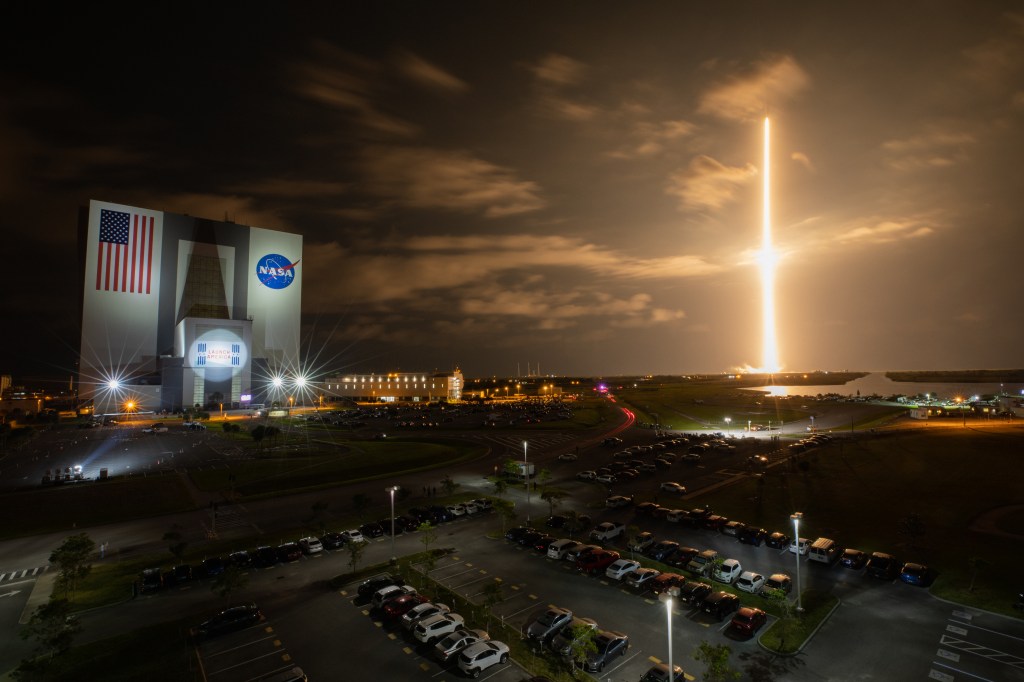
NASA Leadership





Astronaut Training
Astronauts work alongside Boeing and SpaceX to understand the spacecraft, launch systems, and spacesuits, and refine operations in space. Crew members train to live and work aboard the space station. The astronauts learn how to conduct spacewalks, maintain the space station, and perform a myriad of research investigations covering all scientific disciplines.
The astronauts participate in nominal and off-nominal mission simulations, studying every aspect of the spacecraft, as well as launch, in-orbit, and landing procedures to ensure they are prepared for any situation during their mission.
Current Mission
NASA’s SpaceX Crew-13
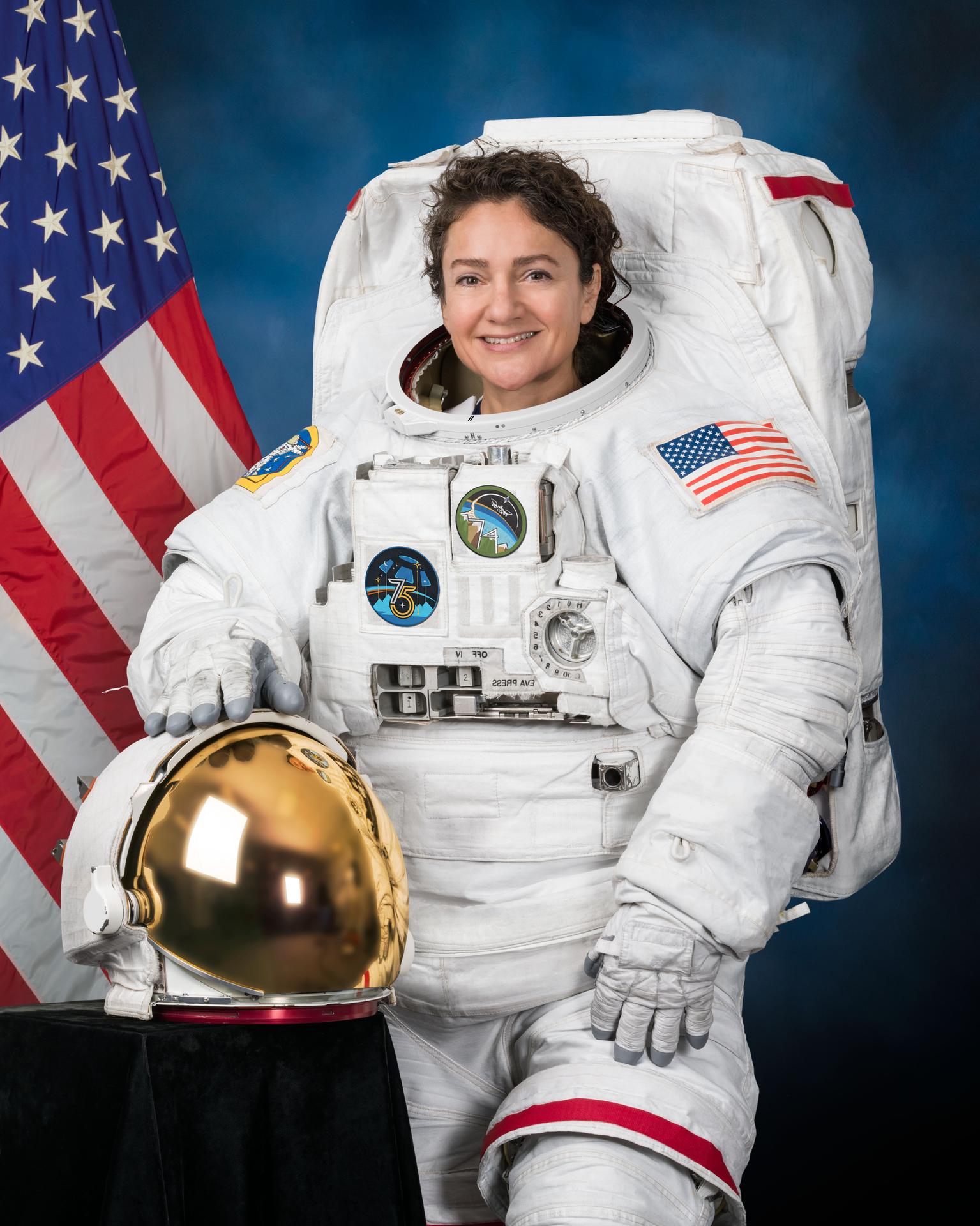
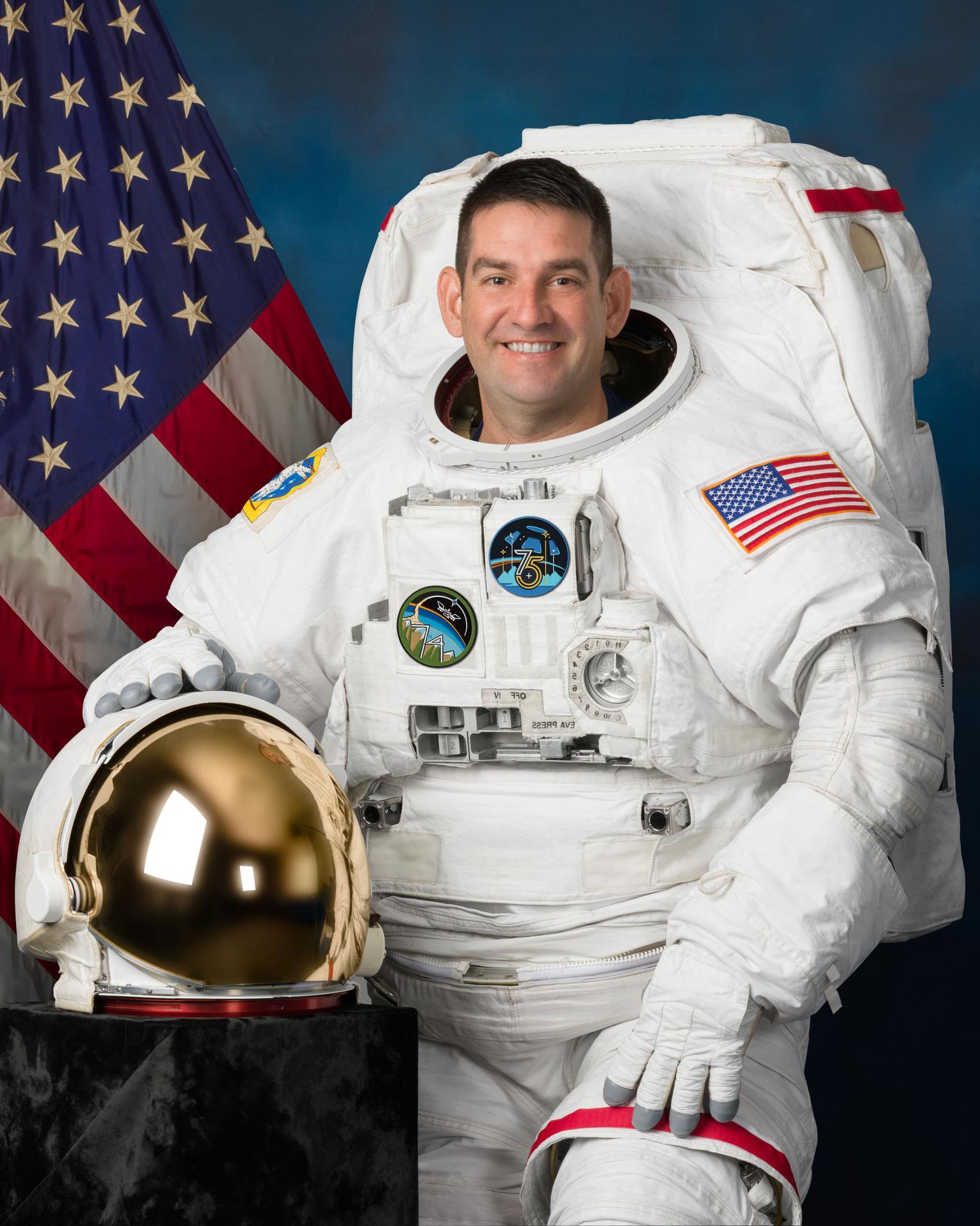
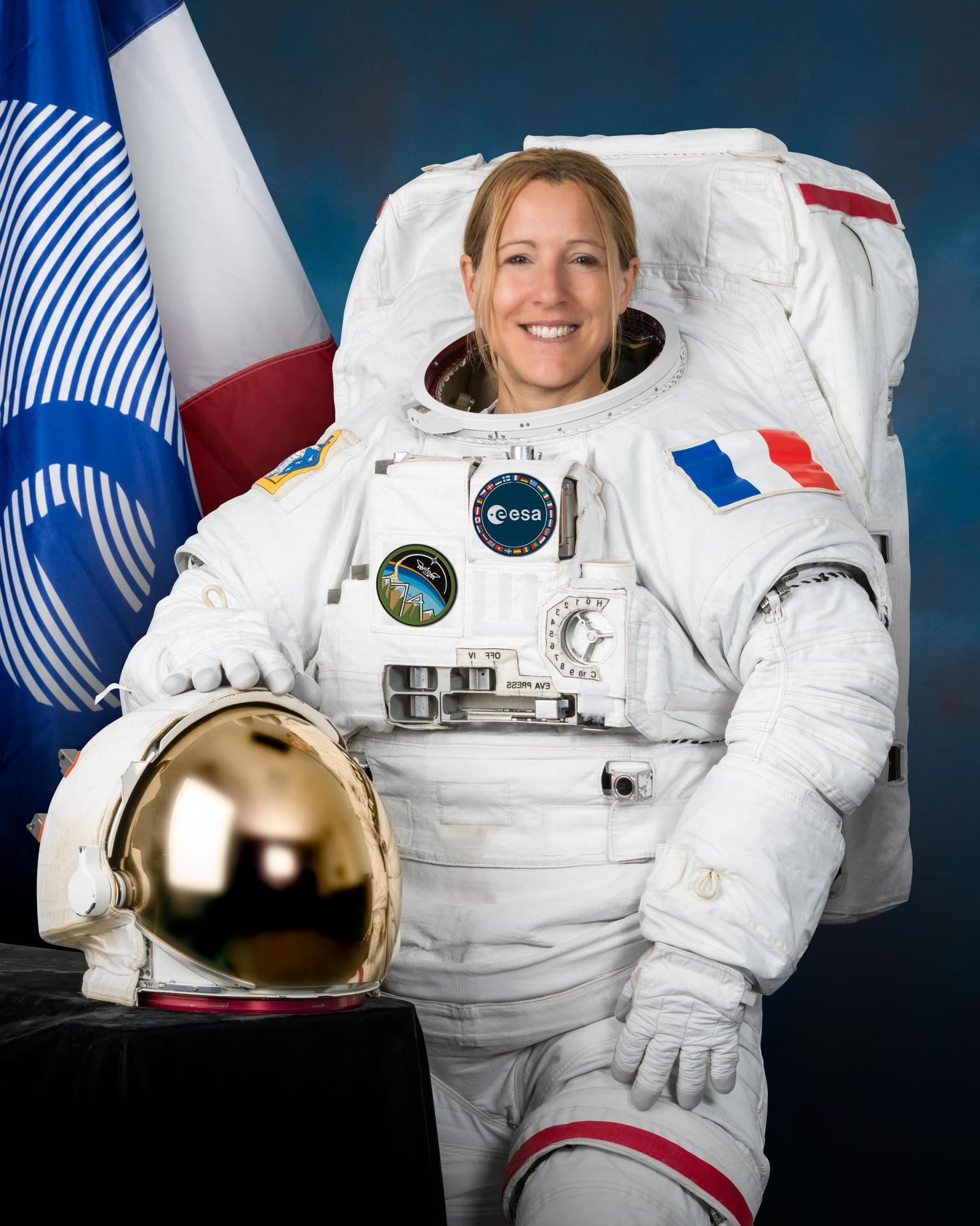
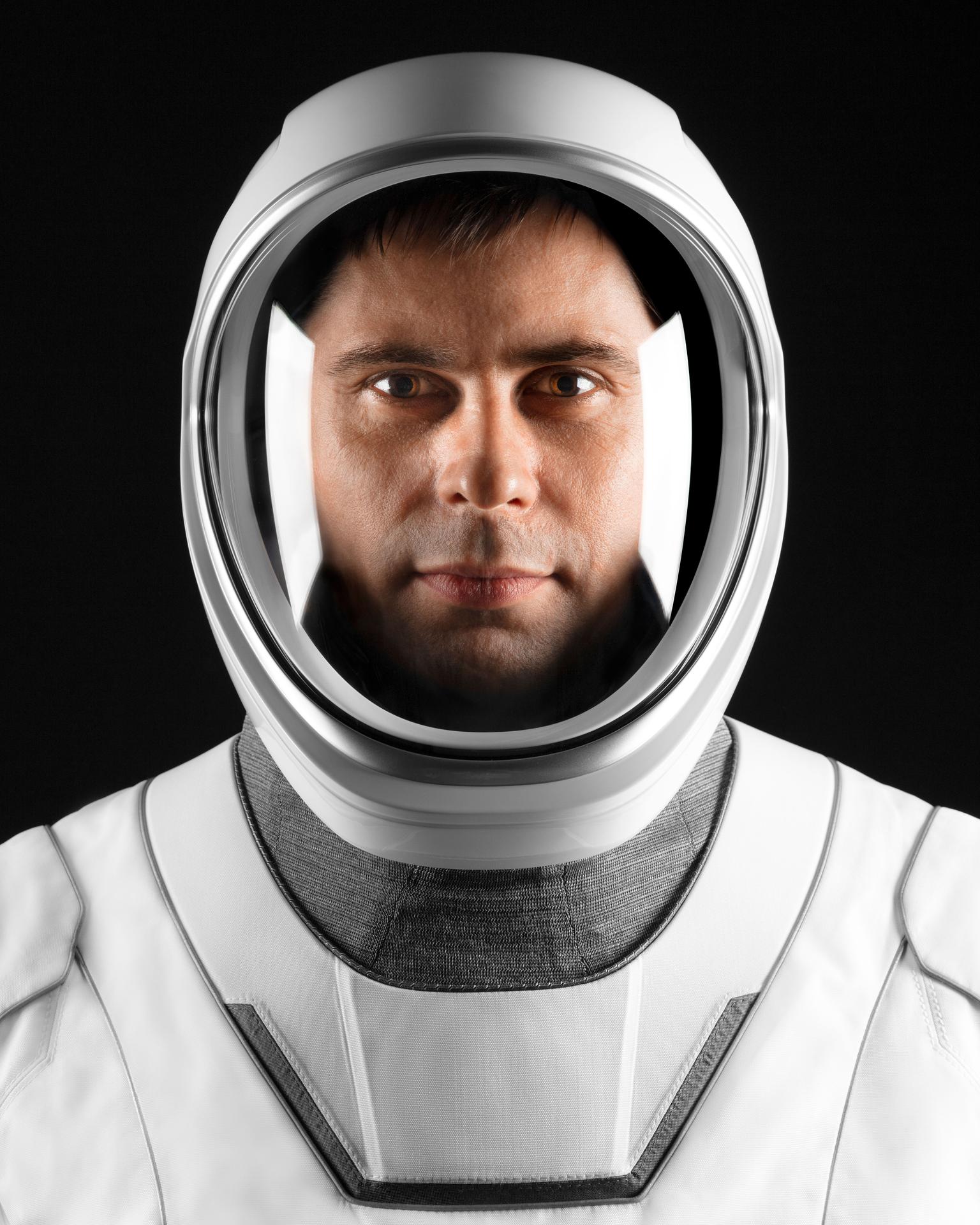
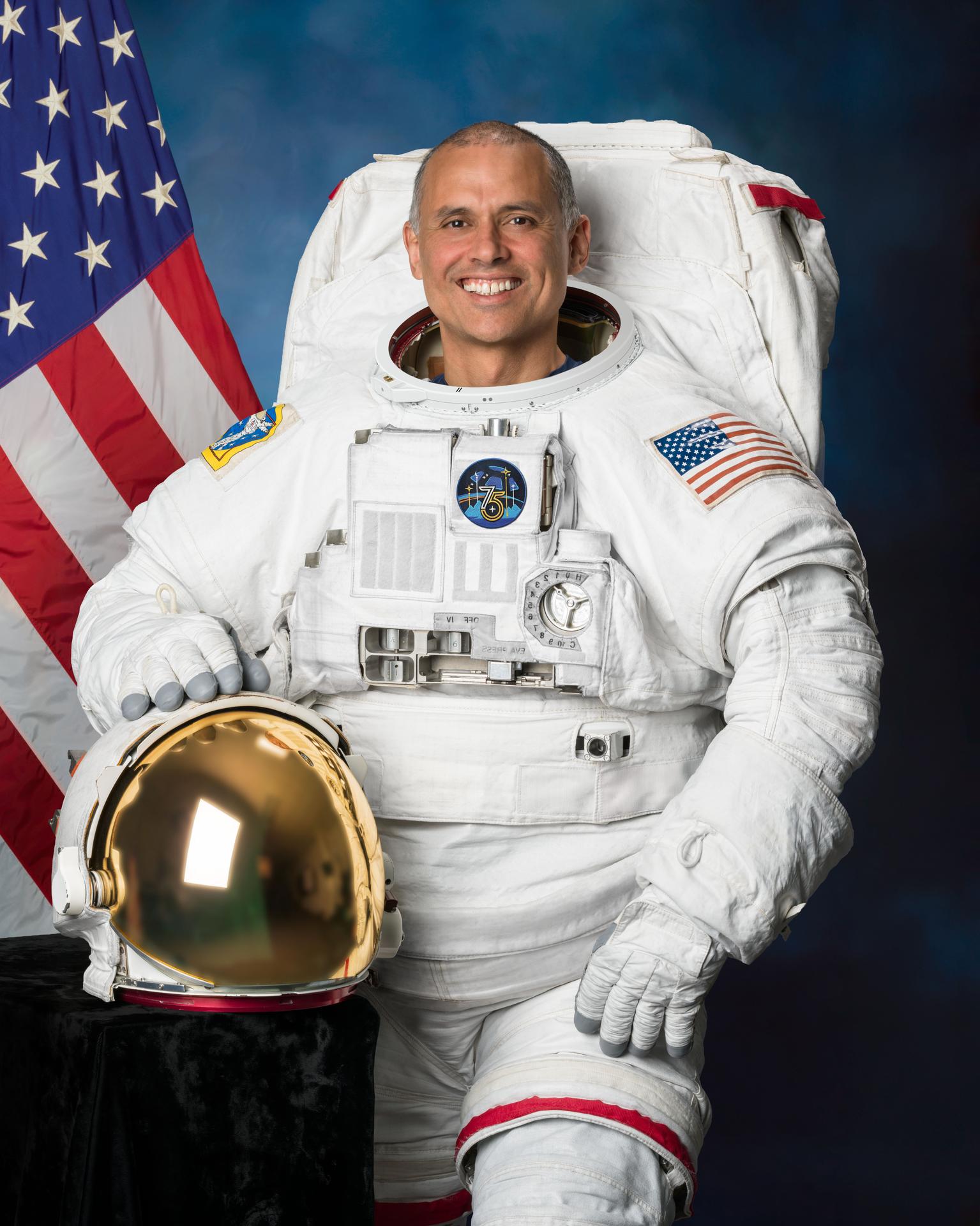
NASA's SpaceX Crew-13 featuring NASA astronauts Jessica Watkins and Luke Delaney, CSA astronaut Joshua Kutryk, and Roscosmos cosmonaut Sergey Teteryatnikov.
Learn More About NASA’s SpaceX Crew-13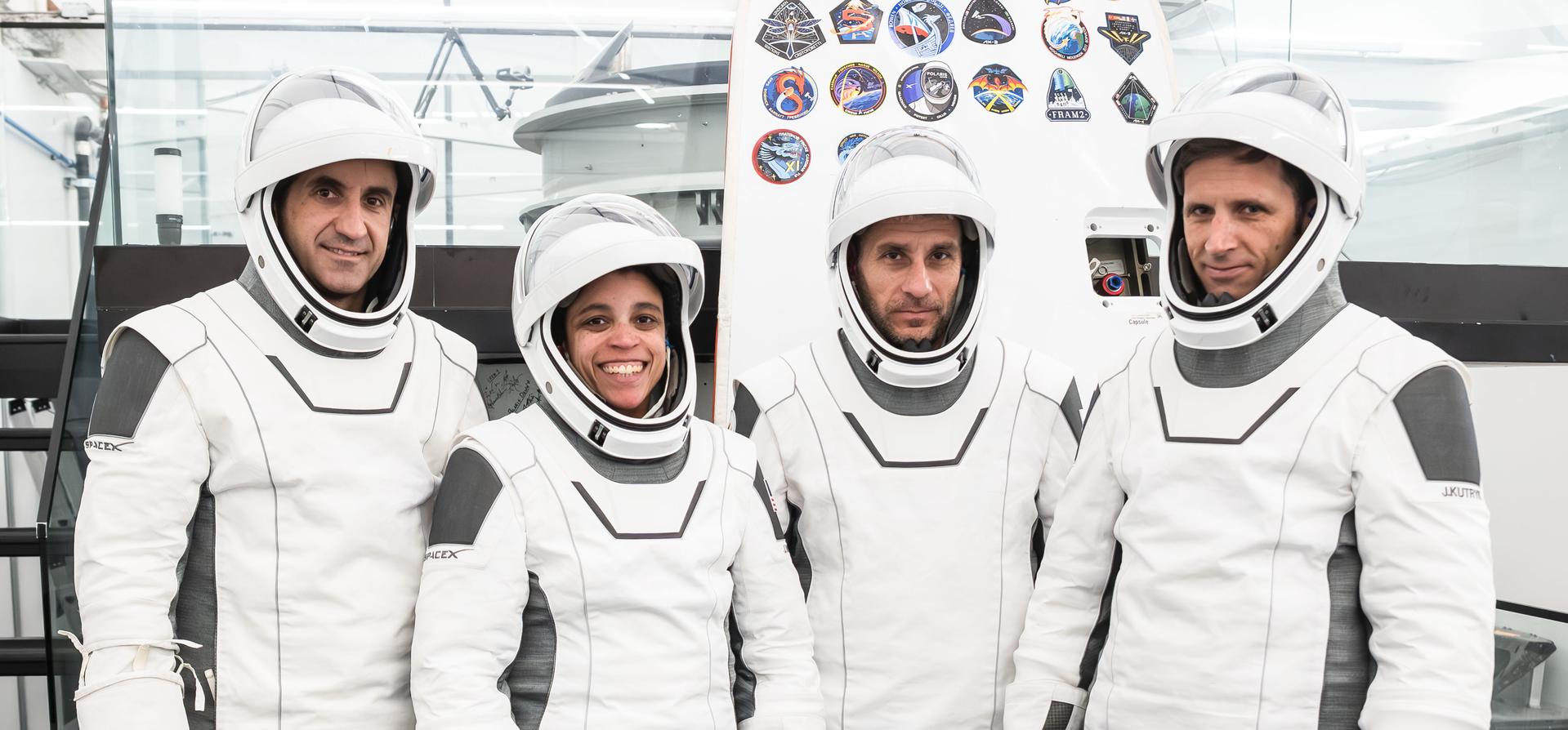
NASA’s SpaceX Crew-12
The 13th flight of the SpaceX Dragon spacecraft with people as part of NASA's Commercial Crew Program.
Learn More About NASA’s SpaceX Crew-12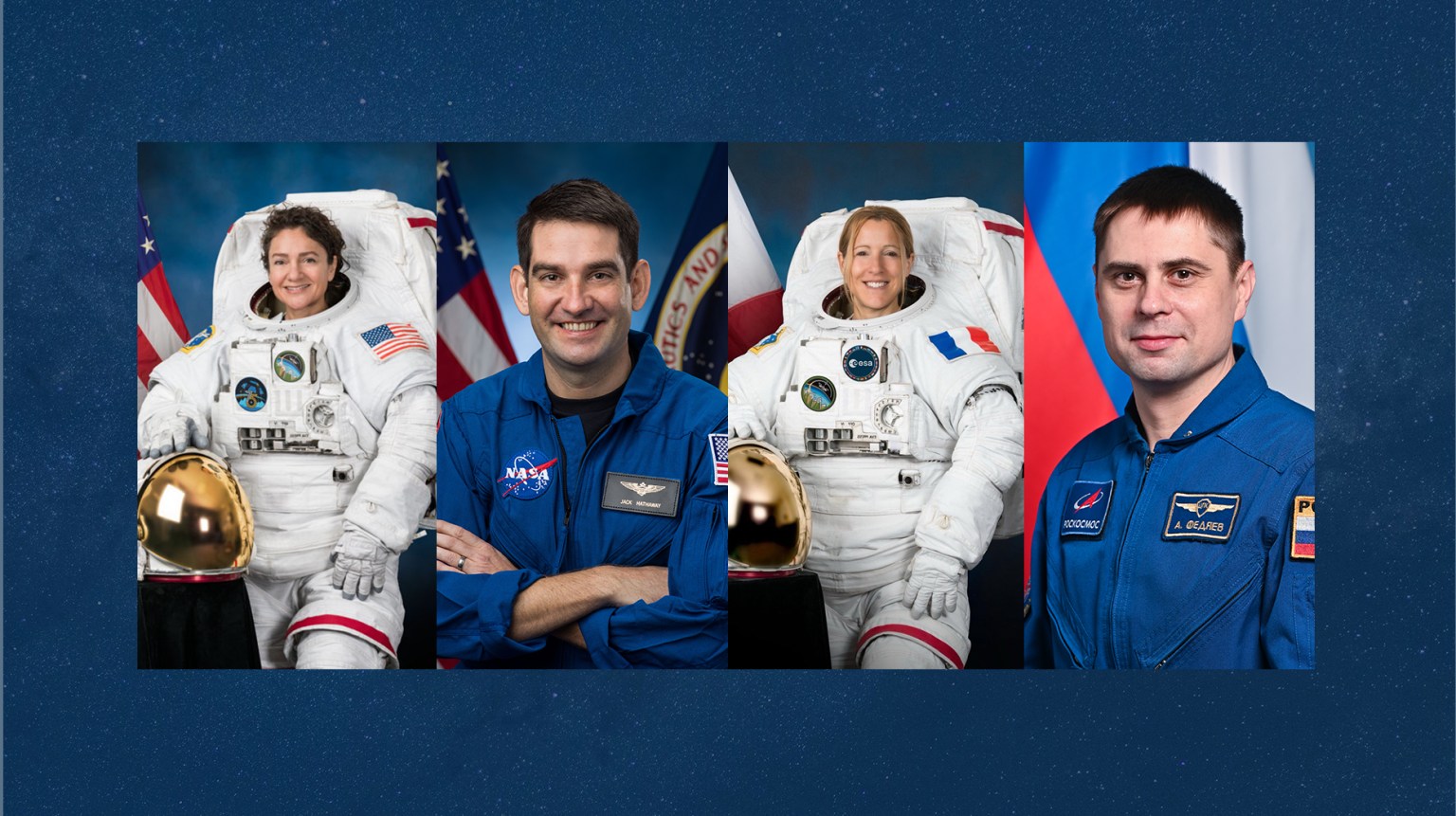
SpaceX Operations
Dragon

Designed with crew and reuse in mind, Dragon is an innovative achievement worthy of the challenge to advance human spaceflight. SpaceX’s Dragon spacecraft has re-established an American human launch capability, flying astronauts regularly to the International Space Station from U.S. soil and increasing use of the orbiting laboratory’s unique research environment.
Dragon is an autonomous spacecraft designed to deliver crew and critical cargo to orbiting destinations. Dragon launches atop a Falcon 9 rocket from Launch Complex 39A at NASA’s Kennedy Space Center in Florida.
As part of NASA’s commercial resupply services contract with SpaceX, the company developed its Dragon cargo spacecraft to carry science and supplies to space, but they designed it with people in mind. For its second commercial resupply services contract, SpaceX delivered an upgraded Dragon cargo spacecraft similar to the Dragon that brings humans to the orbiting laboratory, which also lifts off from Launch Complex 39A at NASA’s Kennedy Space Center.

Dragon Design and Development
SpaceX’s Dragon spacecraft was developed in collaboration with NASA’s Commercial Crew Program. In 2014, NASA awarded Commercial Crew Transportation Capability (CCtCap) contracts to Boeing and SpaceX to each safely and cost-effectively transport astronauts to the International Space Station from the United States.
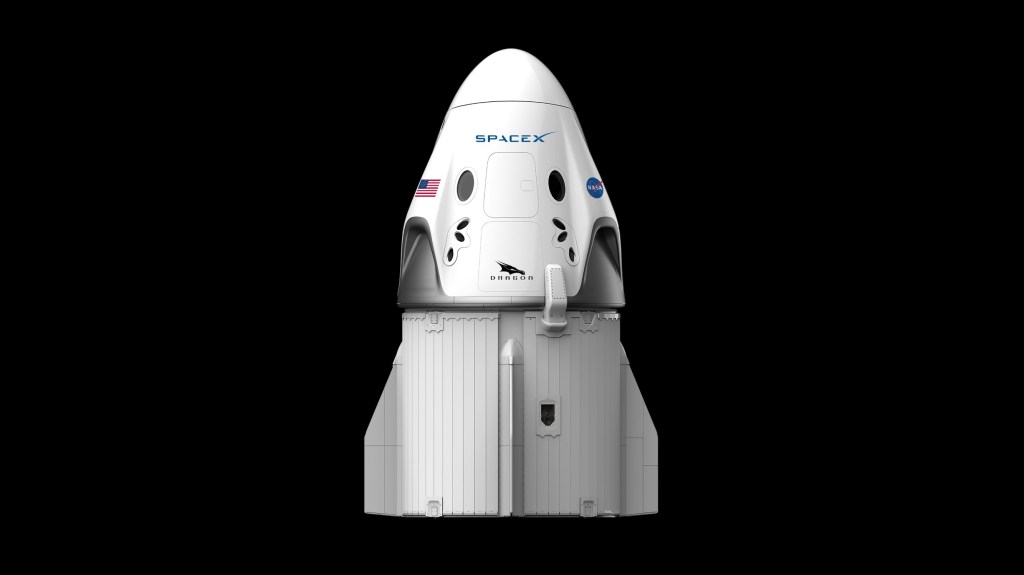
Dragon is capable of carrying up to seven passengers but carries up to four astronauts for NASA missions, and is designed for water landings. Dragon’s displays provide real-time information on the state of the spacecraft’s capabilities—anything from the spacecraft’s position in space, to possible destinations, to the environment on board. Dragon is a fully autonomous spacecraft that can be monitored and controlled by onboard astronauts and SpaceX mission control in Hawthorne, California.

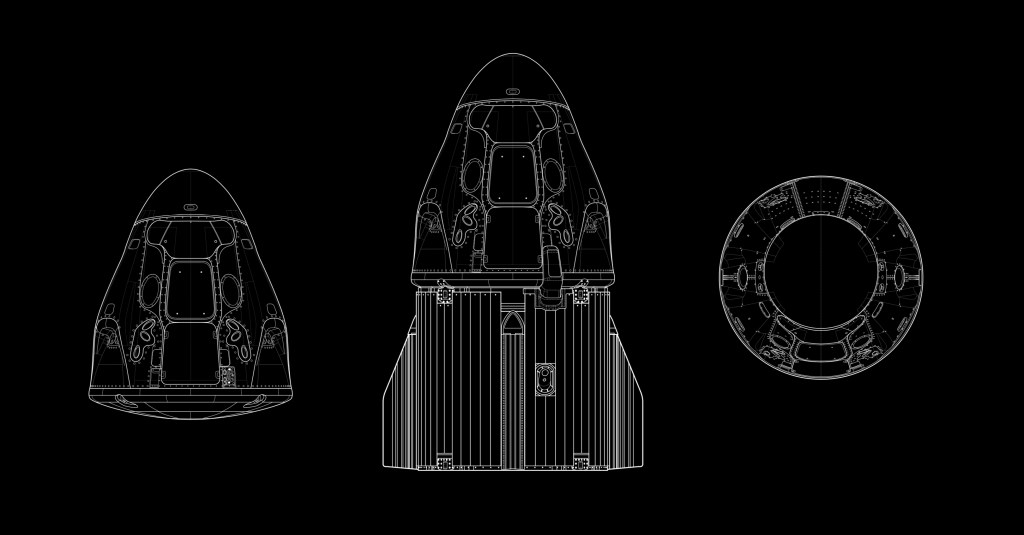
Dragon is composed of two main elements: the capsule, which is designed to carry crew and critical, pressurized cargo, and the trunk, which is an unpressurized service module. The capsule is subdivided into the pressurized section, the service section and the nose cone, which is opened once on orbit and stowed prior to re-entry.
Near the base of the capsule, but outside the pressurized structure, are the Draco thrusters, which allow for orbital maneuvering. Additional Draco thrusters are housed under the nose cone, along with Dragon’s Guidance Navigation and Control sensors.
Dragon’s trunk provides the mating interface for the capsule to Falcon 9 on its ascent to space. On orbit, half of the trunk contains a solar array, which powers Dragon, and the other half contains a radiator, which rejects heat. Both the radiator and solar array are mounted to the exterior of the trunk, which remains attached to Dragon until shortly before re-entry when the trunk is jettisoned.
Dragon was designed with three windows so passengers can take in views of Earth, the Moon and the wider solar system right from their seats. Dragon has an Environmental Control and Life Support System that provides a comfortable and safe environment for crew members. During their trip, astronauts onboard can set the spacecraft’s interior temperature to between 65 and 80 degrees Fahrenheit.
Dragon features an advanced abort system with eight SuperDraco engines and a series of parachutes that can be activated instantaneously from the moment they are armed on the launch pad all the way through orbital insertion. NASA and SpaceX are capable of supporting seven splashdown sites located off Florida’s east coast and in the Gulf of Mexico. These sites are off the coasts of Pensacola, Tampa, Tallahassee, Panama City, Cape Canaveral, Daytona, and Jacksonville.

In August 2018, NASA announced the first astronauts who would fly aboard Demo-2 and SpaceX’s first operational mission, or NASA’s SpaceX Crew-1. In Demo-2, launched May 30, 2020, NASA astronauts Bob Behnken and Doug Hurley became the first to fly aboard Dragon and returned to Earth 64 days later with a splashdown in the Gulf of Mexico on Aug. 2, 2020.
Following the successful Demo-2 flight test and completion of the agency certification process, SpaceX began regular crew rotation missions to the space station, beginning with NASA astronauts Victor Glover, Mike Hopkins, Shannon Walker, and JAXA astronaut Soichi Noguchi aboard NASA’s SpaceX Crew-1 mission. Crew-1 launched Nov. 15, 2020, and splashed down in the Gulf of Mexico on May 2, 2021. NASA has ordered 14 crew rotation missions to the International Space Station from SpaceX. Crew-1 was the first of these rotation missions.
Falcon 9

Falcon 9 is a two-stage rocket designed and manufactured by SpaceX for the reliable and safe transport of satellites and the Dragon spacecraft into orbit. Falcon 9 is the first orbital class rocket capable of re-flight. Falcon 9 made history in May 2020 when it launched two American astronauts on an American spacecraft from American soil to the International Space Station as part of NASA’s Commercial Crew Program – the first time since the retirement of the Space Shuttle Program in 2011. Falcon 9 has since successfully launched eight more astronauts to the space station for the program.
Falcon 9 began delivering cargo to the International Space Station for NASA in 2012, making SpaceX the first commercial company to visit the station. Falcon 9 went on to make numerous trips to space, delivering satellites to orbit as well as delivering and returning cargo from the space station for NASA, before becoming certified to launch astronauts.

Falcon 9’s first stage incorporates nine Merlin engines and aluminum-lithium alloy tanks containing liquid oxygen and rocket-grade kerosene propellant. After ignition, a hold- before-release system ensures that all engines are verified for full-thrust performance before the rocket is released for flight. Then, with thrust greater than five 747s at full power, the Merlin engines launch the rocket to space. Unlike airplanes, a rocket’s thrust actually increases with altitude; Falcon 9 generates more than 1.7 million pounds of thrust at sea level but produces over 1.8 million pounds of thrust in the vacuum of space. The first-stage engines are gradually throttled near the end of first-stage flight to limit launch vehicle acceleration as the rocket’s mass decreases with the burning of fuel.
The interstage is a composite structure that connects the first and second stages and holds the release and separation system. Falcon 9 uses an all-pneumatic stage separation system for low-shock, highly reliable separation that can be tested on the ground, unlike pyrotechnic systems used on most launch vehicles.
Falcon 9 is equipped with an Autonomous Flight Termination System to be used in the unlikely event that the rocket drifts off course or becomes unresponsive. Carbon fiber landing legs and hypersonic grid fins, all stowed during ascent, are two of the critical elements essential to ensure safe and successful landing of the Falcon 9 first stage.
Technical Overview
- Height: 70 meters or 229.6 feet
- Mass: 549,054 kilograms or 1,207,920 pounds
- Payload to Low Earth Orbit: 22,800 kilograms or 50,265 pounds
- Diameter: 3.7 meters or 12 feet
SpaceX Spacesuit

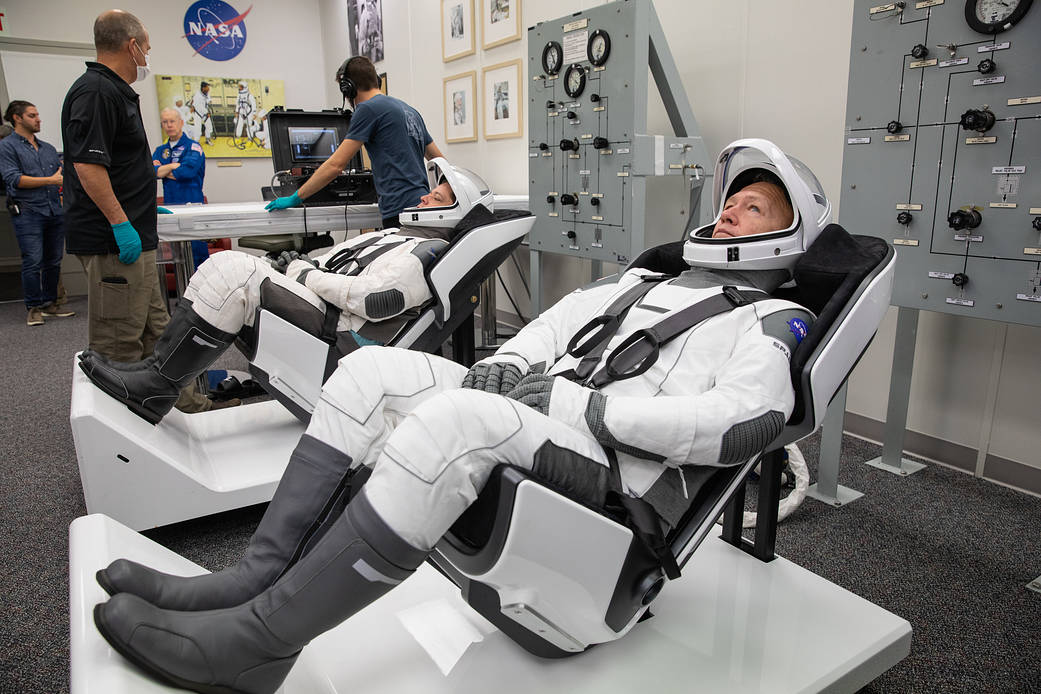
SpaceX designed its spacesuit for astronauts to wear inside the Dragon spacecraft as they fly to and from the International Space Station and to ensure their safety as they operate in low-Earth orbit. The suit is custom-made for each passenger aboard Dragon and is designed to be functional, lightweight, and to offer protection from potential depressurization. A single connection point on the suit’s thigh attaches life support systems, including air and power connections.

The helmet is custom manufactured using 3D printing technology and includes integrated valves, mechanisms for visor retraction and locking, and microphones within the helmet’s structure. NASA astronauts perform spacesuit fit checks and other testing to prepare for their missions, including pressurized spacesuit tests.
Launch Complex 39A

Launch Complex 39A was built for the Apollo and Saturn V rockets that launched American astronauts to the Moon and back. Since the late 1960s, Pads A and B at NASA’s Kennedy Space Center’s Launch Complex 39 serve as backdrops for America’s most significant human spaceflight endeavors— Apollo, Skylab, Apollo-Soyuz and the space shuttle.
In 2014, Space Exploration Services, or SpaceX, signed a property agreement with NASA for use and operation of Launch Complex 39A for 20 years, a component of Kennedy Space Center’s transition to a multi- user spaceport. SpaceX modified Launch Complex 39A to adapt it to the needs of the company’s Falcon 9 and Falcon Heavy rockets. SpaceX constructed a Horizontal Integration Facility near the perimeter of the pad where rockets are processed for launch prior to rollout to the pad for liftoff.
SpaceX also uses Launch Complex 39A for its crewed Dragon missions to the International Space Station. Standing 212 feet high—more than 20 stories—the company’s transporter erector moves launch-ready rockets and spacecraft from the processing hangar at the base of the pad up to the pad surface and into a vertical position over the flame trench. The transporter erector is larger in size and stronger in comparison to the erector SpaceX uses at Space Launch Complex 40 and is used for processing and launching Falcon Heavy rockets.
The first SpaceX launch from Launch Complex 39A was SpaceX’s 10th commercial resupply services mission to the International Space Station. The launch on Falcon 9 took place on Feb. 19, 2017, and carried supplies and research to the oribiting laboratory.
