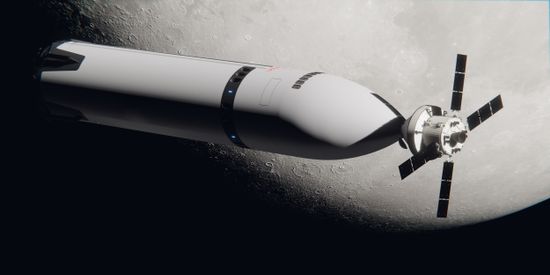
The mission, scheduled for the summer of 2027, will include be pivotal in deciding whether SpaceX or Blue Origin supplies the lunar lander for the first crewed trip to the lunar surface in decades
The mission, scheduled for the summer of 2027, will include be pivotal in deciding whether SpaceX or Blue Origin supplies the lunar lander for the first crewed trip to the lunar surface in decades
For the first time, scientists can make quantum measurements on a positron particle
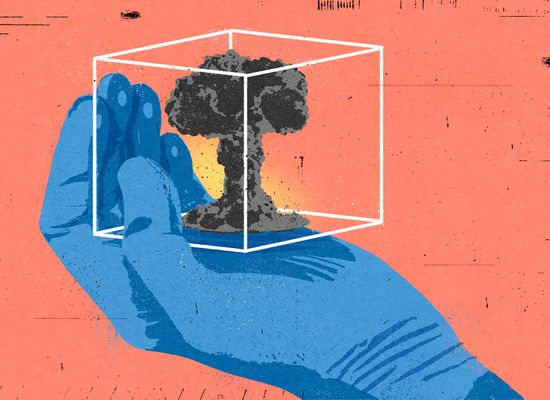
The U.S. hasn’t detonated a nuclear weapon since 1992. Now a fusion start-up whose co-founders include former national lab scientists could help conduct experiments that make sure the stockpile works
A definition would help Americans eat healthier food, experts say. It's turned out to be harder than expected
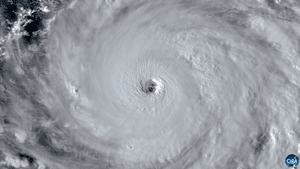
The cyclone’s winds hit 185 miles per hour—the strongest windspeed of any storm this year

Flex your math muscles with this weekend’s brain teaser. Play now

Ancient Egypt’s first female ruler lived centuries before Nefertiti or Cleopatra
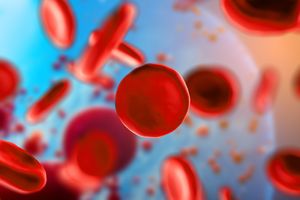
A new USB-sized device, tested in mice, could help people with type 2 diabetes better manage glucose levels
It is possible to take lessons from exposure therapy and apply them outside the clinic, experts say
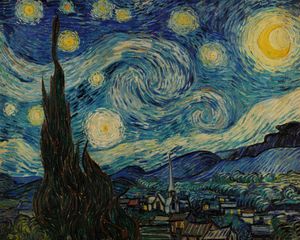
A misidentified constellation could revise the timeline for Vincent van Gogh’s creation of his iconic painting
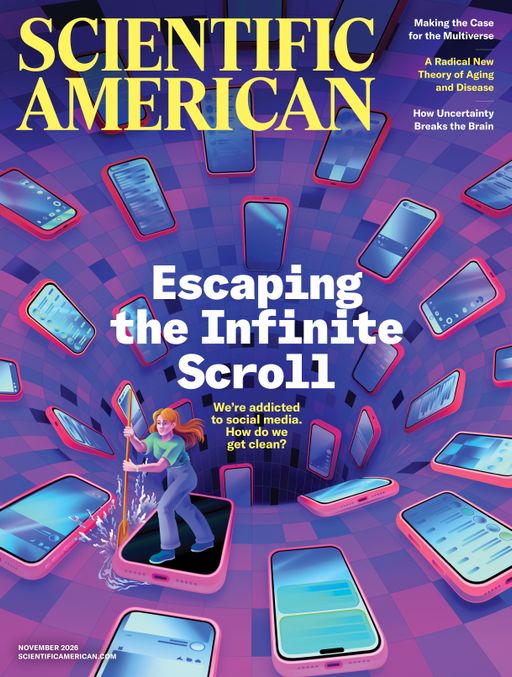
Big tech is on trial. Courts have deemed social media addictive by design—the infinite scroll, the personalized feeds, the sleek features that capture and keep our attention. As a society, we’re already hooked. So how do we find a relationship with our devices that adds to our lives without diminishing them?
Elsewhere in the issue: Making the Case for the Multiverse | A Radical New Theory of Aging and Disease | How Uncertainty Breaks the Brain
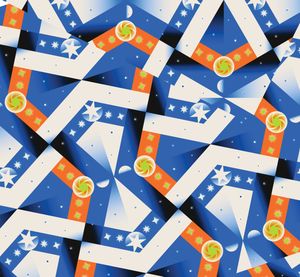
The once-fringe quantum Many Worlds theory now seems much more likely
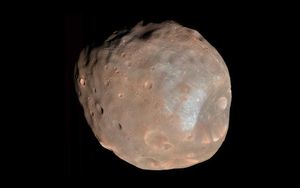
Although Phobos and Deimos may look like lumpy space potatoes, they’re actually moons of Mars. No one knows how they formed, but a newly launched spacecraft should soon offer answers

The Merck-Moderna mRNA cancer vaccine helps prevent cancer recurrence and death, the new results show
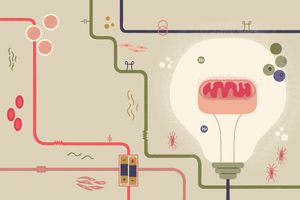
Could disruptions in the flow of energy through mitochondria cause everything from type 2 diabetes to Alzheimer’s?
The science of handling uncertainty, anxiety and stress
AI’s solution to the Navier-Stokes problem, and the details of how it happened, preview a chaotic future for math—and the world
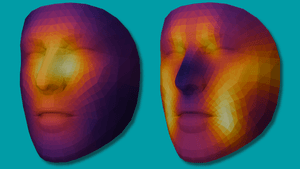
Researchers tasked an algorithm with predicting cancer patients’ risk of dying. For some people, it was shockingly accurate
Means’s views on the COVID vaccine, raw milk and fluoride have all been criticized by health care professionals
A half century ago The Selfish Gene by Richard Dawkins became an instant bestseller and transformed public awareness of evolutionary biology. Today scientists are still debating its core message
“What a wonderful article! It turns a scientific inquiry into an inspiring story of human history and love of agricultural treasures. It makes me wonder what other unique historical treasure hunts are going on in fields today. I am aware of the ongoing searches for truly ancestral varieties of corn. They might be needed to save one of our most…”
— Techlady

Attacks against data centers in Europe and the Middle East are raising questions as to how we protect the infrastructure on which our digital lives depend
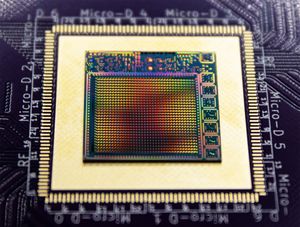
Researchers fed fusion data to a new chip to see whether it could spot signs that superhot plasma is about to go haywire
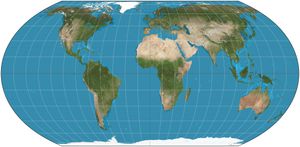
Mapping a sphere onto a flat plane is mathematically impossible. But a better world map than the Mercator projection is
President Donald Trump’s nominee to replace Stone, James O’Neill, has yet to have a confirmation hearing in the Senate, leaving the future leadership of the NSF unclear
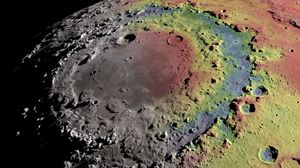
Besides building crewed outposts at the lunar south pole, where else should astronauts go on the moon? An authoritative new report has suggestions
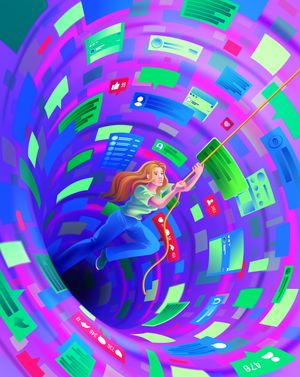
How doctors, scientists and “anonymous” programs are working to free people from their phones
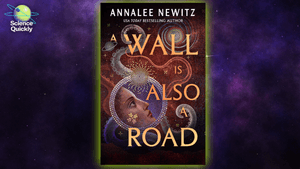
Slime mold aliens explore Pompeii—and humanity—in a new book by Annalee Newitz
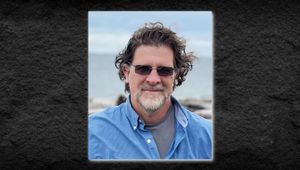
Scientific American spoke to the candidate for Massachusetts’s fourth congressional district about climate change, misinformation and why, when it comes to health care, some socialism may be required
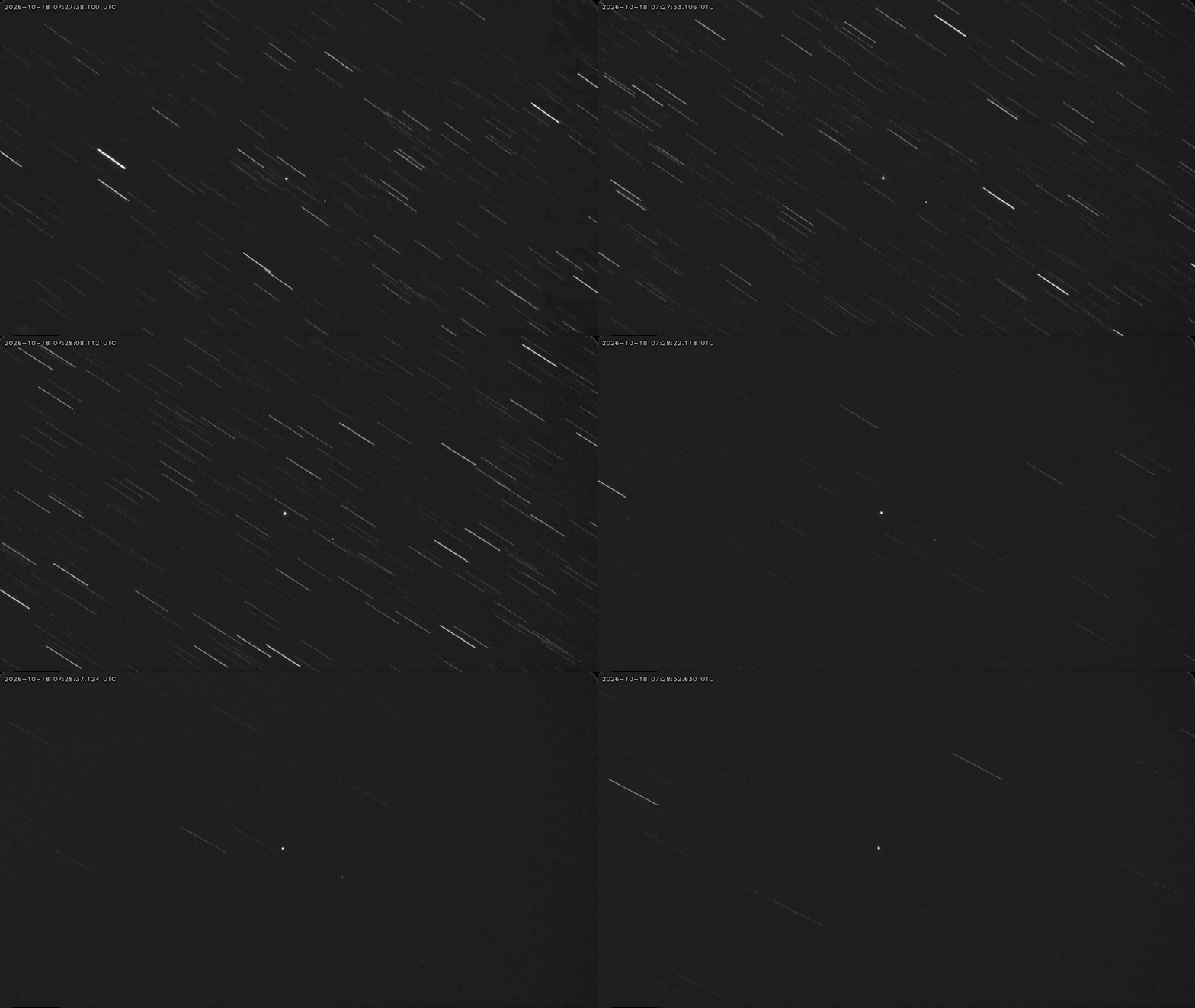
How close is too close for encounters between sensitive spacecraft orbiting Earth? With a mysterious approach to another satellite, Russia’s military may be trying to find out
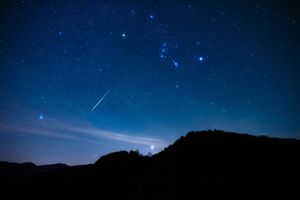
The shower’s shooting stars originate from Halley’s Comet

The Emmy Award–winning actress revealed that a multiple sclerosis diagnosis in 2021 was incorrect. It’s a surprisingly common experience, experts say
The emotions themselves may be more important than the senses we use to perceive them
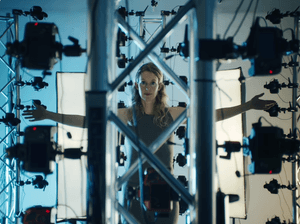
A viral documentary has everyone talking about Elizabeth Holmes’s fraudulent blood testing start-up again—but scientists never stopped
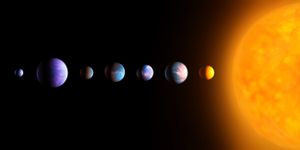
As far-fetched as it may seem, quirks of orbital mechanics could allow dozens of planets to be packed around a star
An early start doesn’t necessarily mean disaster