


In typical Samsung fashion, the Note 7 comes with two different processing packages, meaning users once more are wondering whether they are getting the “best” flagship out of the two. We, too, wanted to find out just how these two variants stack up.
Exynos and Snapdragon chipsets have been battling it out inside Samsung flagships for a few years now, and in that time, we’ve seen them trade jabs back and forth, with the Snapdragon fighters typically edging Samsung’s own when taking the whole into consideration. In 2015, we saw a successful run of Exynos-only flagships from Samsung, with the 7420 outperforming the often-tragical Snapdragon 810. This year, Samsung opted to put out its own core design, the M1 instead of yesteryear’s ARM setups. At the same time, after the 810 experimented with ARM cores, Qualcomm is back to the “real men use custom cores” ways with the new Kryo design. On top of that, the Adreno 530 keeps pushing the envelope of mobile graphics performance, now facing the Exynos’ Mali-T880 MP12 (12 core variant).
We put these two processors to the test, the Exynos 8890 from a SM-N930FD, and the Snapdragon 820 from a N930T, in order to figure out their relative standing. After more than 300 data-points from various benchmarks and endurance tests, we believe we have gained some solid understanding of these devices. Throughout this article, we will focus slightly more on the Exynos variant given we haven’t gotten the chance to do this kind of testing for the Exynos 8890, yet we’ve done plenty of performance analysis features on Snapdragon 820 devices, including the Galaxy S7 Edge.
We also want to stress the following: these tests are not representative of real-world usage, but of the processors’ strengths and behavior under stress. To minimize software disparity, we disabled nearly every non-vital package and process so that both variants wouldn’t have their results affected by third-party services or bloatware, after a factory reset. Other variables we tried to control are temperature (same starting temperature), room temperature and surface heat absorption by running all tests in nearly-identical starting conditions. We measured device surface temperature using SEEK and FLIR thermal cameras backed by IR thermometers, so take into account temperatures could have a ±1°C margin of error. Finally, keep in mind there are variations between and within SKU groups, and that we ran these tests with a particular set of conditions, meaning you might obtain slightly different results than ours on your particular unit. This is not a be-all end-all test, but the beginning of a collaborative assessment.
CPU -- Kryo vs. M1
The first thing we delved into was CPU performance. Given the identical storage and RAM configurations between the two variants, even more holistic tests with clearer breakdowns can work this task. However, we chose the newly-released Geekbench 4 given its excellent reception due to its accuracy when compared to SPEC, but also because it’s a better representation of real-world CPU behavior as we learned in our interview with Primate Labs CEO John Poole. Below we’ve listed the mean and median scores after five Geekbench 4 runs on both devices under the same starting conditions and with disabled packages for software parity. As you can see, they are closer in single core scores and in multi-core scores, where the sheer number of cores (twice as many powerful and power-efficient cores) begins showing.
|
Note 7 Chipset |
GB4 Single Core Mean |
GB4 Single Core Median |
GB4 Multi Core Mean |
GB4 Multi Core Median |
|---|---|---|---|---|
|
Snapdragon 820 |
1666 |
1686 |
3757 |
3756 |
|
Exynos 8890 |
1880 |
1874 |
5326 |
5325 |
It’s also worth noting that Geekbench 4 redefined the peak scores of both devices significantly (compared to Geekbench 3), but the benchmark is most unfavorable to the Snapdragon 820. This doesn’t mean it’s inaccurate -- on the contrary, the Snapdragon 820’s performance was ranked higher than it should have been under Geekbench 3 (albeit it still was not enough to surpass the Exynos 8890 in multi core performance). This is due to modifications that came with Geekbench 4, such as more precise and relevant algorithms and a (significantly) longer runtime with pauses to counter throttling jolts; under Geekbench 4, the breathing room between tests means that those at the end of the queue do not get (quite as) penalized merely for being last. That being said, we still found value in Geekbench 3 because of its short, bursty runtime which we find better for judging performance-over-time and pushing the silicon’s thermals and throttling behavior.


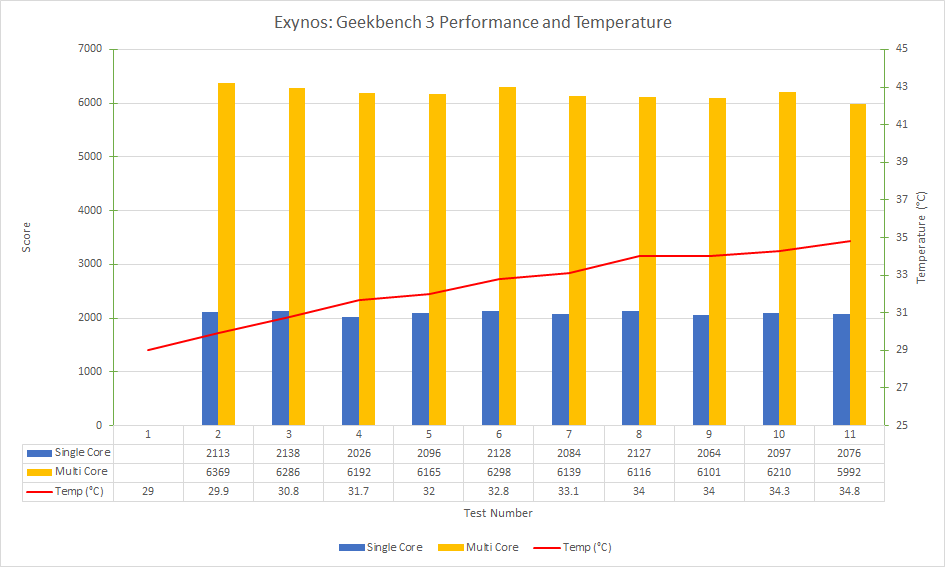
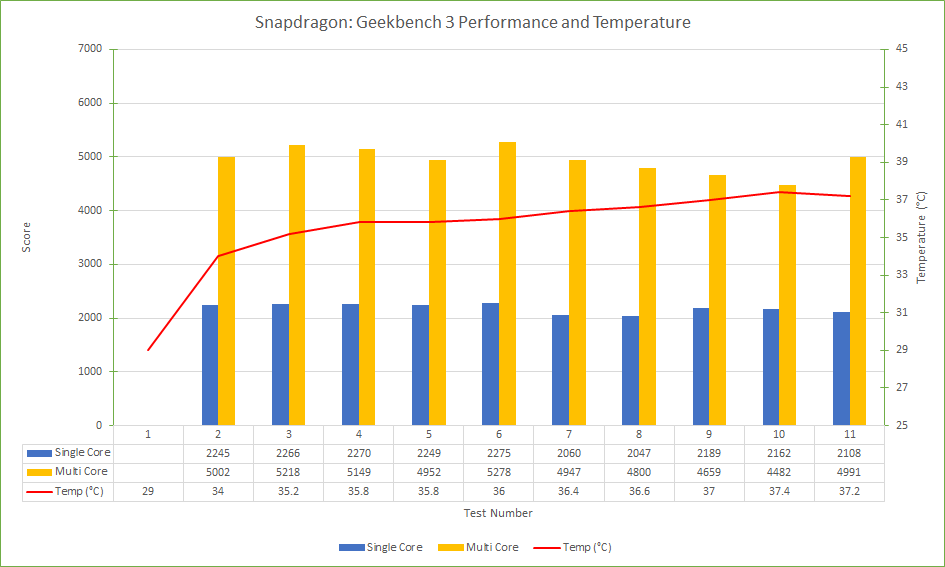

As seen above, the Exynos suffers the biggest percentage drop in final score in the multi core tests, yet this drop isn’t too big compared to its initial score. The highest Exynos final score drop on our several test runs was 5.92% for multi core, but only 3% for single core. On the Snapdragon 820, the converse is true: the highest final single core score drop as a percentage is 6.1%, while the highest final multi core score drop as a percentage we saw was 3.47%. On average, however, both devices perform excellently well, and throttling on the CPU-intensive Geekbench 3 is mostly minimal, with no clear downward linear regression. All-in-all, we didn’t find significant throttling while pushing the CPU with Geekbench 3, certainly not like what we’ve found on devices like the Nexus 6P, OnePlus 2 and others with clear throttling issues. We’ve found similar variance when running the benchmark on independent trials, so the slight jumps in scores over time might be accounted for the inherent variance of the test regardless of consecutive test number or temperature.


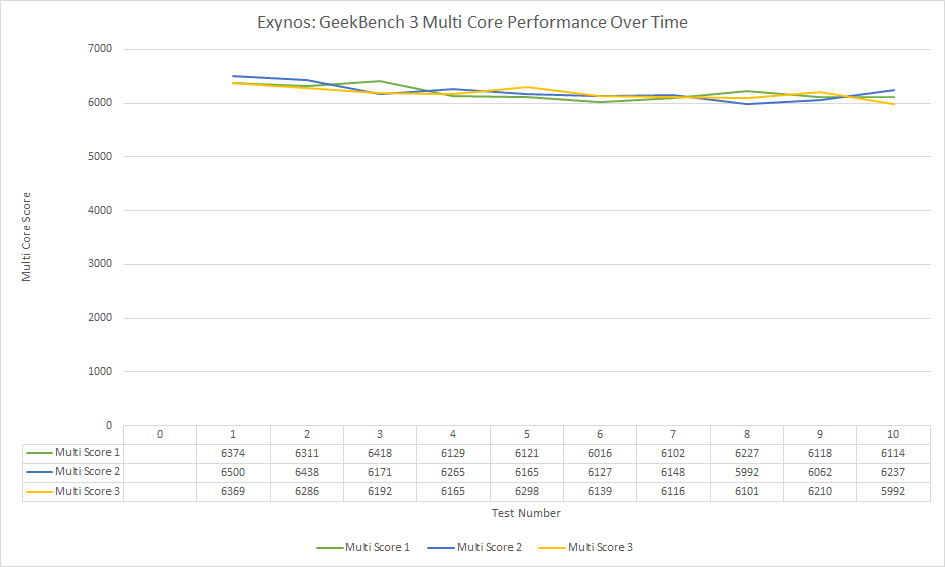
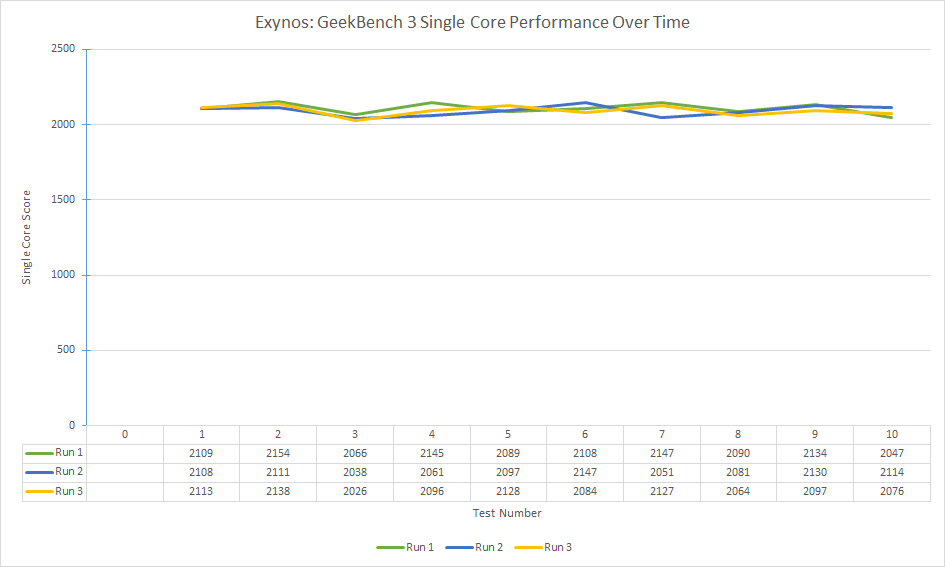
We did find a strong difference between these two variants in temperature, though. The Snapdragon 820 variant heated up quicker during Geekbench 3 and achieved up to 37.4°C | 99.3°F, whereas the highest we found on the Exynos variant after multiple 10-run samples was 35°C | 95°F. On average, the Exynos reached 30.8°C | 87.4°F on the second test (s.d. 0.058) whereas the Snapdragon would float between 32.8°C | 91°F and 35.2°C | 95.4°F (higher than the maximum we saw on the Exynos) at the same point during its runs. Interestingly enough, the final temperature check on the Exynos was always highest on the 10th run during Geekbench 3, which wasn’t always the case for the Snapdragon 820. Even with these thermal differences in mind, both devices didn’t see terrible performance drops, but it’s worth noting the Exynos Note 7 is one of the cooler devices we’ve tested under this method, whereas the Snapdragon 820 Note 7 is one of the hottest (but consider it throttled less than cooler devices, and its final score percentage drops are similar to those of the HTC 10).

 One final point worth noting about the Exynos variant is that even when running inside a fridge and performing at artificially low temperatures, we weren’t able to achieve much higher single core scores (~1880) on Geekbench 4 than the regular average at 29°C | 82.2°F. Multi-core scores, however, reached up to 5625, and the closest a multi core score at 29°C | 82.2°F we found was 5535 (quite an outlier for this unit, but not necessarily yours: I’ve also seen reports of users doing random Geekbench 4 tests and scoring up to 5500 without any special controls).
And finally, I ran the same tests (5 instances at 29°C | 82.2°F) with all stock applications and processes and found that the difference between that average and the average with all disabled processes was only 26 (negligible), suggesting bloatware doesn’t have too much of an impact on Geekbench anyway (this doesn't mean bloatware doesn't affect real world performance, though). Also, scores on Geekbench 4 on our Snapdragon S7 Edge were oddly higher on average than those of our Snapdragon Note 7.
GPU -- Mali-T880 MP12 vs. Adreno 530
Moving on to graphics performance, we see rather different GPU approaches. While the Exynos 8890 might have Samsung’s custom M1 cores, the GPU found here is ARM’s Mali-T880 MP12, which is the 12-core variant that’s found in high-end chipsets. The Snapdragon 820 has the reputable Adreno 530, which we looked at in multiple instances and found to be a solid performer, although with a lot of variation depending on which phone it had been implemented on. The best we saw it at was the OnePlus 3, which fared better than the S7 Edge and HTC 10 even when adjusting the resolution of these two to 1080p. We know that the Adreno GPU dynasty has been king in flagship graphics performance for a while, and in the Note 7, peak performance is as good as we expected.
The Adreno 530 frequently goes past the 2500 mark in 3DMark’s Slingshot ES 3.1 test, which we also used to get a feel for throttling on these two devices. The peak score on our Exynos variant on this test is ~15% lower than what we achieve on the Snapdragon 820 Note 7, which was expected given Qualcomm’s remarkable track record on this front, and it’s traditionally the case that Adreno handily beats Mali GPUs of Exynos devices. Looking past the peak and into sustained performance, though, we see that both GPUs behave wildly different under heavy stress.


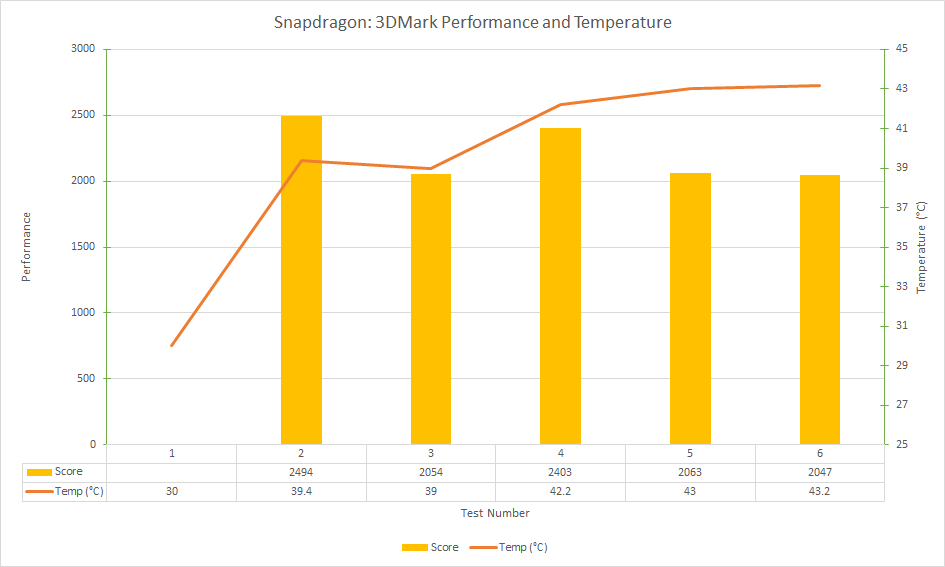
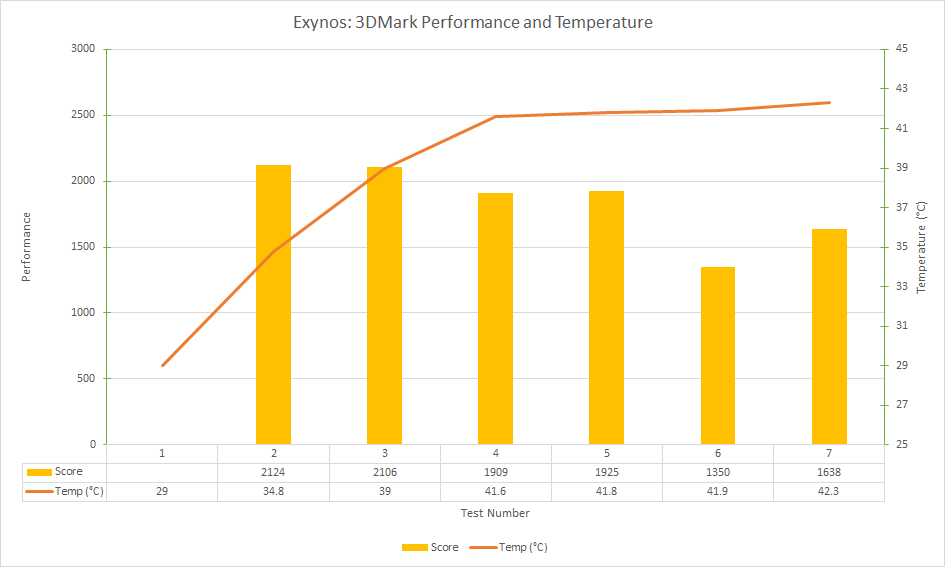

3DMark includes both physics and graphics-intensive tests, but it’s still a graphics-oriented test that gives us a good idea of performance under, say, heavy-graphics gaming. In our tests we found that the Adreno 530 did a much better job at sustaining performance even at high temperatures, with its lowest final score drop being around 18% lower than the beginning score after 5 tests. The Exynos, on the other hand lost up to 27% of its first score by the 5th test, a scarily-bad prospect. That being said, the Adreno 530 frequently jumped between the 2000 and 2500 range, a pattern we found across multiple tests.


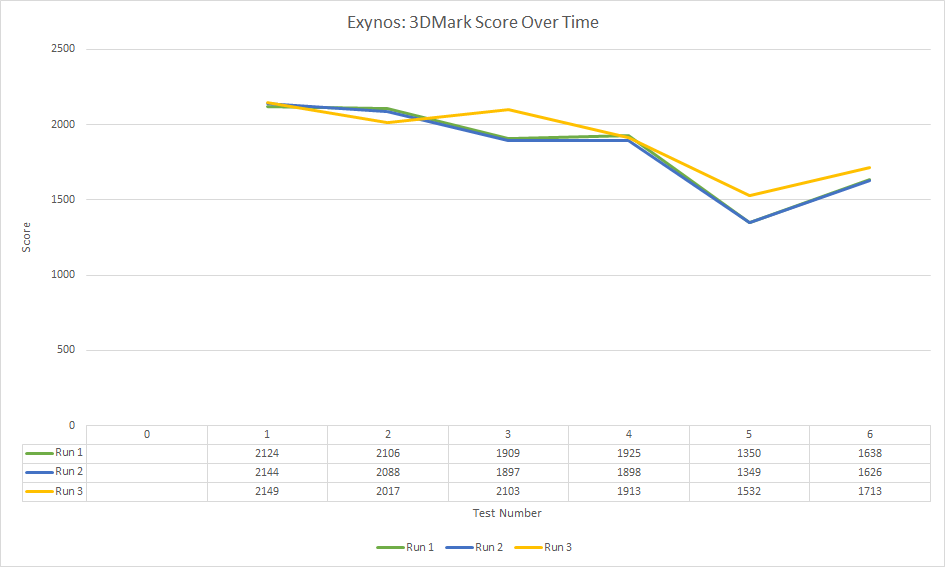
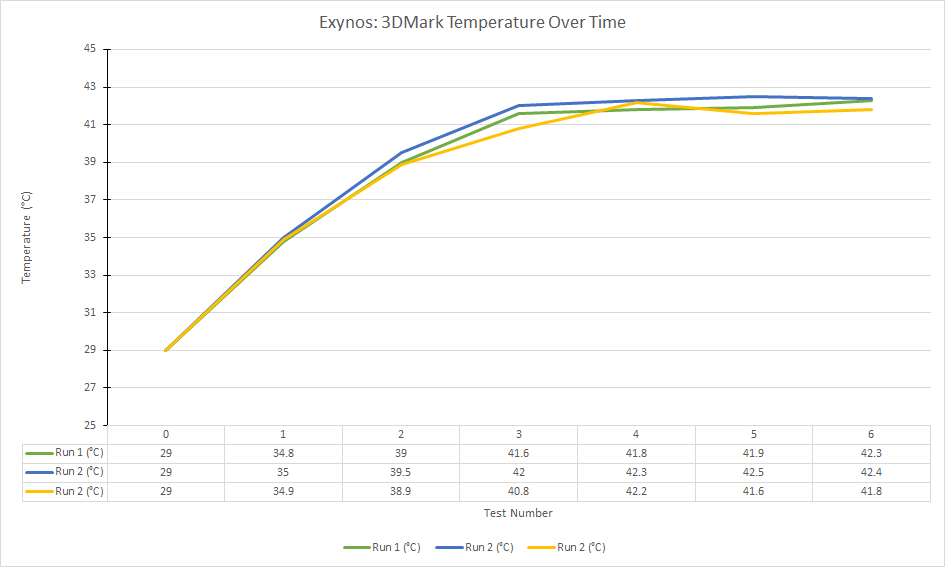
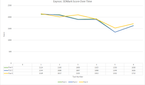
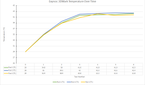
A yet even more surprising pattern, and the reason why you see 6 tests as opposed to 5 for the Exynos variant, is that the sharpest score drop would always appear between the 4th and 5th test, but when running a 6th test, temperature wouldn’t be lower yet the score would recover. Both the sharp drop and the recovery would happen within similar ranges, too, which we also found to be the case in a different test we’ll document below. Temperature didn’t vary much between these tests, however, with the highest of the 5th test on our runs of the Snapdragon 820 variant being 43.2°C | 109.8°F, and 42.5°C | 108.5°F, on the Exynos variant (which had smaller variance on this last test’s temperature, too).


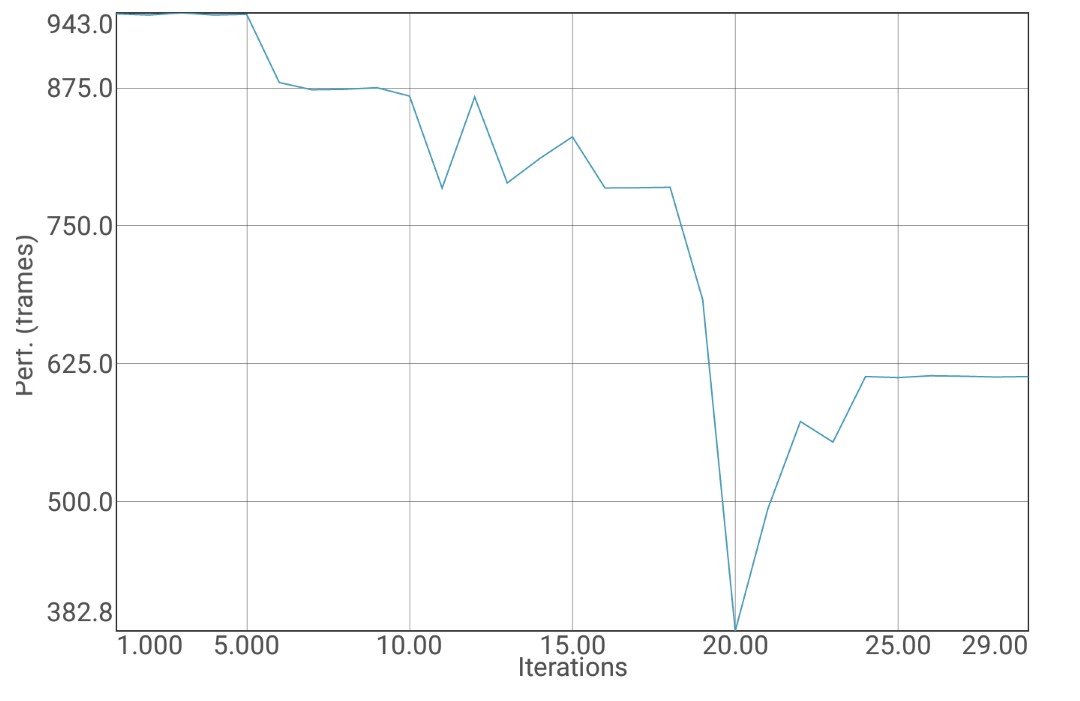

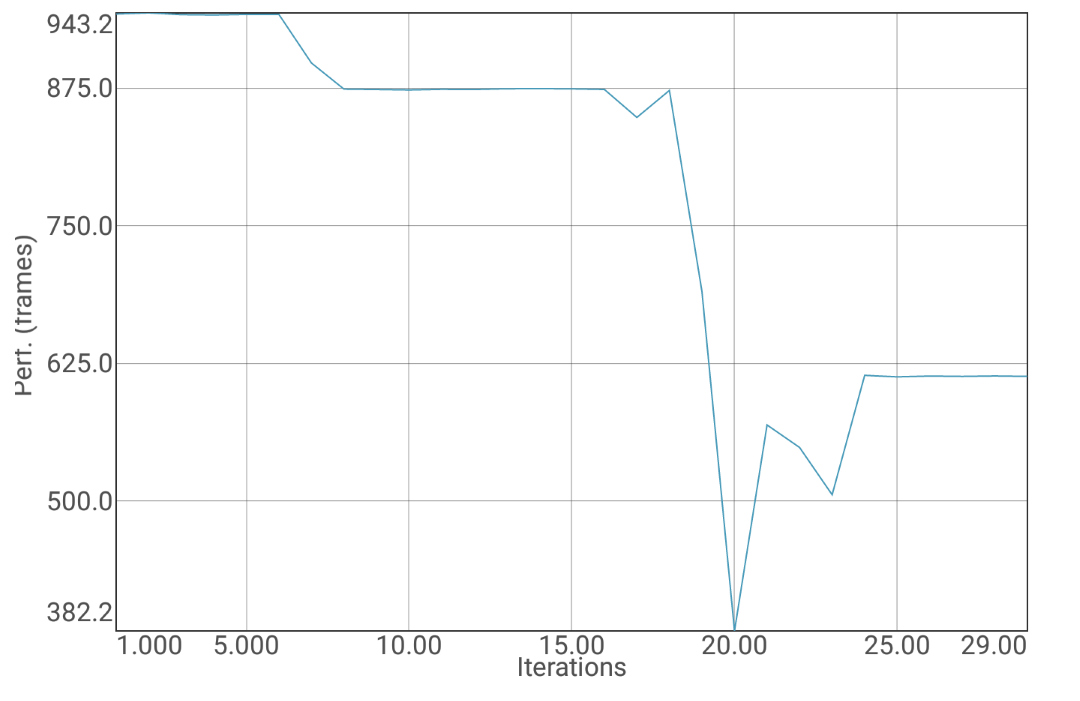
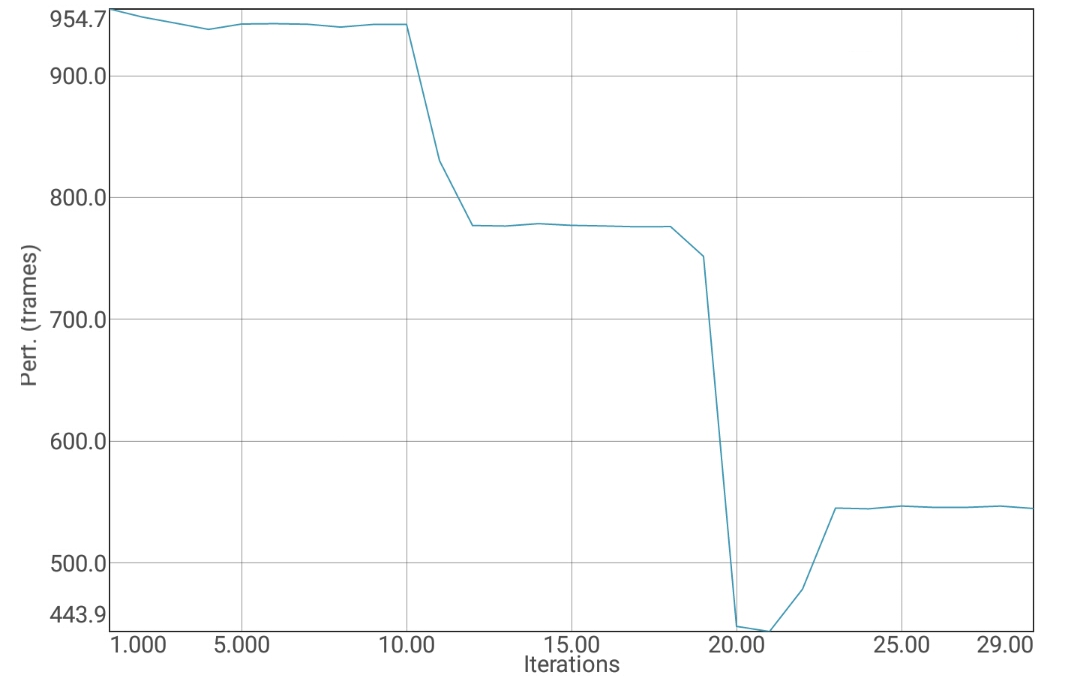
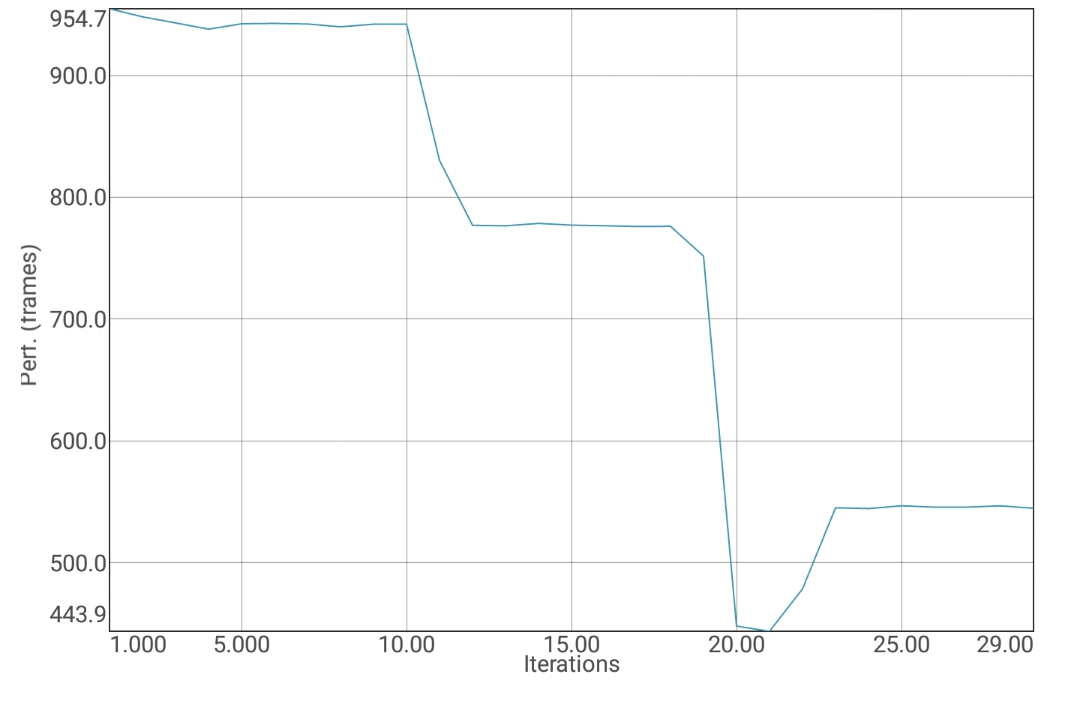

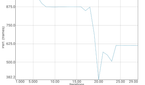
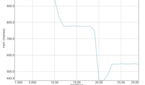
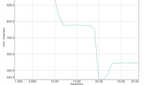
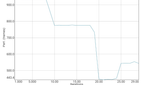
GFXBench’s Manhattan Endurance test runs 30 consecutive iterations of the test of Manhattan 3.1, which is a common and effective graphics benchmark, with a score measured in frames or frames per second. We ran this test multiple times on both devices, again under the same initial conditions, and surprisingly we found that the peak score delta was much lower this time around, almost negligible as seen in the graphs below. Once more, though, we see both devices display very clear throttling patterns, with the Exynos Note 7 typically seeing it’s sharpest drop around iteration 17, dropping over 60% of the initial framerate by iteration 20, yet rebounding shortly after. This happened every time, and oddly enough, regardless of resolution as running the test at 1080p yielded the same results. The Snapdragon variant didn’t fare much better, as it shed over half its framerate at the same point in time, iteration 20 (roughly 20 minutes in). Its recovery is also worse than that of the Exynos variant, climbing up to around 550 frames compared to 620 frames.

While the Snapdragon 820 Note 7 might clearly surpass the Exynos 8890 one in 3DMark in both peak performance and sustained performance, the case is not quite as cut-and-dry on GFXBench. The delta in the highest framerates is negligible, but while the Exynos variant has a lower minimum, it recovers/stabilizes at a higher framerate. I would still give the edge to the Snapdragon 820 for its higher peak in 3DMark, and it also has slightly higher GPU-related scores in the breakdowns of other benchmarks. However, it’s very important to note that a slight GPU bump on a flagship chipset is not quite as advantageous in today’s Android gaming scene in particular.


Snapdragon 820 devices like the OnePlus 3 have no trouble maxing out the framerate of most of today’s graphics intensive games, and as shown above, the Exynos 8890 variant with its Mali-T880 MP12 GPU does respectable job as sustaining the framerate ceiling in GTA: San Andreas at maximum settings for over 20 minutes (Exynos examples above). It’s only during extremely packed areas, like the 4-star wanted level SWAT rampage shown above, that the framerate dips, and even so the stutters clear within a short few seconds. Games with fancier graphics and effects such as Dead Trigger 2, where a lot of lightning and bloom happens at any given time, have a more unstable framerate. Do keep in mind, however, that the framerate of this game is unlocked to 60 instead of 30, and that it’s extremely clear that the framerate takes a sip whenever the camera is pointed at complex lighting scenes (and, of course, when loading a new level, again shown above in the sharpest drops).
Conclusion
Both devices show great performance. The weakest point of the Snapdragon 820 is its lower CPU peak performance when measured under Geekbench 4, which again is a more accurate test than Geekbench 3 and other CPU-intensive benchmarks. We knew that the Snapdragon 820 had the weaker CPU between the two, and this relatively new benchmark better reflects the difference. Another thing worth considering is that Exynos chipsets are often considered more power efficient, and we found this to be the case too so far. We’ll have more to say about this in our full review, which will also incorporate more performance testing, but from what we've seen we can say the Exynos Note 7 has been better than the Snapdragon 820 variant in our (limited) personal real-world usage and in battery benchmarks.
On the GPU side, the Adreno 530 remains a very strong figurehead for Android. Graphics performance is higher, but performance-over-time is a mixed bag in these tests. Once we finish our full gaming test suite, we should be able to assess whether than theoretical lead translates into a significant advantage for real-world use-cases like mobile gaming. In any case, we can assure you that the Mali-T880 MP12 is no slouch at gaming either, just like we found that even the 4-core variant of the Mali found in the Kirin 950 did an excellent job when gaming at 1080p. Worse case scenario, Samsung’s native resolution changing settings plus its game launcher suite of tools means that you could simply run the newest 3D games (now or years down the line) at 1080p and then see excellent framerates.
All-in-all, I frankly think that the biggest trade-off lies in the CPU, where the Exynos fares undeniably better. It’s kind of a shame that Qualcomm’s Kryo cores didn’t result in quite-as-competitive results. Even then, we’ve seen Snapdragon 820 devices perform extremely well in the real-world (which, again, is outside the scope of these tests, but not of our full review). Once more I must bring up the subject of “hardware dyslexia”, and state that benchmarks don’t hold all the answers and cannot be used as effective predictors of real-world performance. First of all, RAM solution and storage speeds also play key roles in performance, particularly app hot and cold launch speeds, and ultimately I’d say it’s the software that matters the most. The best example here is the Snapdragon 810 Nexus 6P, which still puts most 2016 devices to shame when it comes to real-world speed and fluidity.
And with that we arrive to the topic of Samsung's software, which as we discussed earlier, still leaves a lot to be desired. In a perfect world, the impressive results we found in these chipsets would be immediately perceptible in real life. Alas, that’s not the case and we all know why by now. I must say that, after disabling all non-vital packages and setting up my phone my way, the Exynos 8890 performs quite well, albeit not as fluidly as I’d expect out of its price. But I don’t want to make any conclusive statements yet, as I’ve spent most of my time with this device running tests and I just now get to enjoy it for what it is.
Whether these differences between the chipsets matter is not something I can answer for everyone. Ultimately, we trust you can look at our conclusions not as an ultimatum, but as more helpful data to help you decide which variant is best for you in accordance to your opinion and your use-cases. One might get hotter, one might have better CPU or GPU, yet ultimately both are capable of offering excellent performance. But that potential needs to be realized by both hardware and software, the latter being where Samsung doesn’t shine. In light of all of this, I hope you can make an informed decision with this information if and only if you do care about processing power and future proofing. If you are merely reading this out of curiosity and aren't researching your next purchase, we hope you enjoyed the read.
Special thanks to Eric and Aamir for contributing work hours to this article. As a side note, we did literally tens of hours of heavy usage on these devices and luckily, none of them blew up... yet?


