


Samsung's Galaxy S21 Ultra has held the throne of the best overall smartphone camera for most of 2021. But a new challenger has arrived in the form of the Vivo X70 Pro Plus, and it's a major contender after having beaten the iPhone 13 Pro in our previous camera shootout. I took both of these overkill Android flagships around town and shot hundreds of samples over the past couple of weeks, and if a picture tells a thousand words, then I think we have enough images here to tell a long story.

Samsung Galaxy S21 Ultra vs Vivo X70 Pro Plus: Main Camera
[sc name="pull-quote-right" quote="The irony in comparing the main cameras of the Vivo X70 Pro+ and Galaxy S21 Ultra is, no matter what, Samsung technically wins"]The irony in comparing the main cameras of both devices is, no matter what, Samsung technically wins. That's because the main shooter of the Vivo X70 Pro+ uses a 50MP ISOCELL GN1 sensor developed by Samsung. The Galaxy S21 Ultra's main lens, meanwhile, uses its 108MP ISOCELL HM3 sensor. The irony level increases when you realize that, by almost all technical accounts -- image sensor size, individual pixel size -- the 50MP GN1 sensor is superior to the 108MP HM3 sensor.
But of course, the quality of a smartphone photo depends on software as much as it depends on hardware (arguably more, even), so how do these phones perform?


















In these relatively easy and straightforward shots above, we can see both cameras produced vibrant, sharp images, but Vivo's images are "brighter" across the board because of its larger image sensor, large individual pixel sizes, and faster aperture. This is noticeable in all four photos (any area that's covered by shadows in the Galaxy S21 Ultra shot looks slightly better illuminated in the X70 Pro+ shot), but it's jarringly so in the third set of the shop.
Better light intake ability will come in handy later as we shoot in darker scenes, but here when there's ample lighting, Vivo's shots are almost too bright. In the second and third set, I prefer Samsung's take, with more striking contrast between bright areas and shaded areas. The shots look more dramatic to my eyes. However, Samsung's images tend to be too cool. I think this was designed to make skies appear extra blue, but this often creates a photo with a cooler tone than what the scene actually looked like. Vivo's colors are more accurate in all four of the images above.
If we zoom in the above shots to 100% and pixel-peep on a monitor, we can see that Vivo's images are sharper almost everywhere.










Both phones have relatively shallow depth-of-field, so any close-up shot of an object or subject will result in naturally pleasing bokeh. This effect is a bit stronger on the X70 Pro+. I'm not sure if this is software assistance or the difference in sensor size.










Once we move to low light situations, then the Vivo X70 Pro Plus' superior light sensitivity starts flexing its power.






If you're viewing the above photos on a small-ish phone screen, chances are both shots look equally great. But blow it up and pixel-peep, and the X70 Pro+'s shot is so much more detailed.


Here's another set.


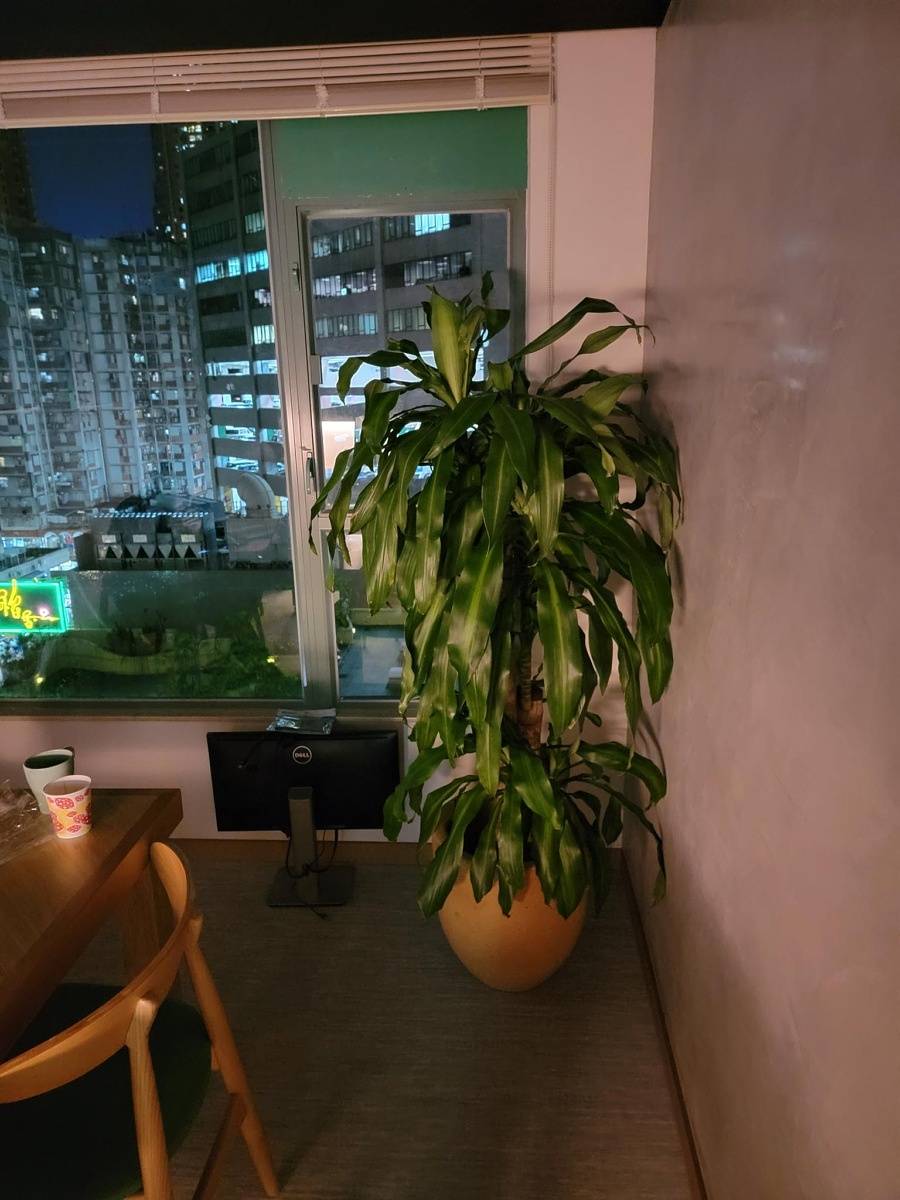
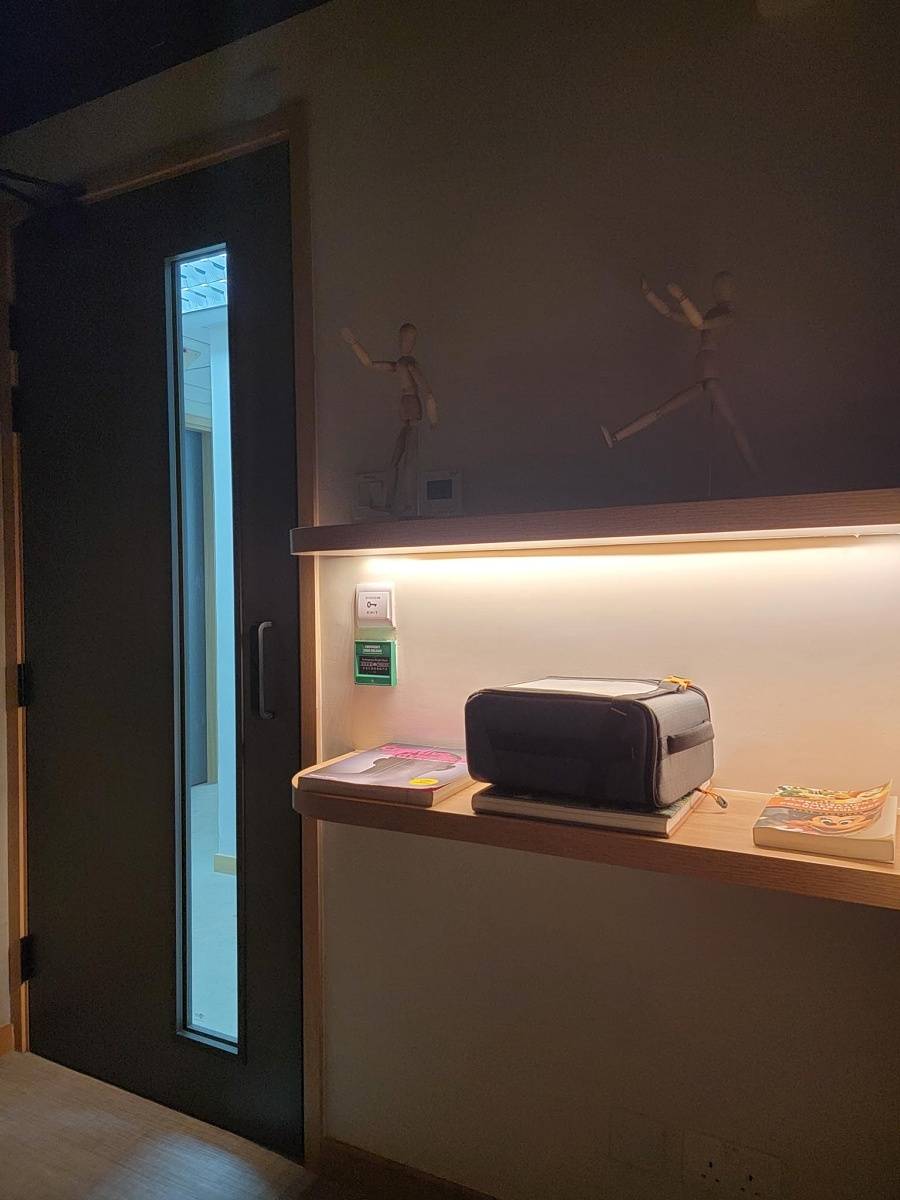
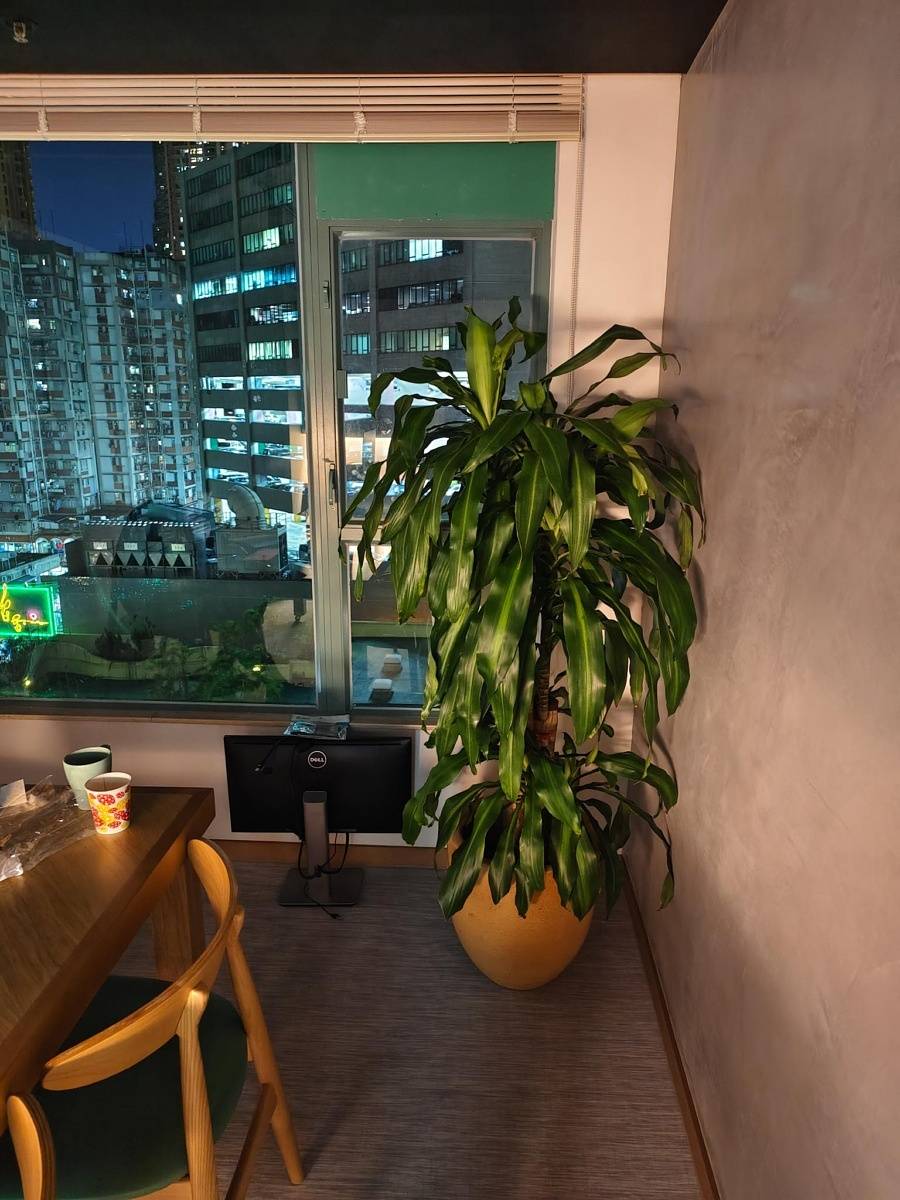
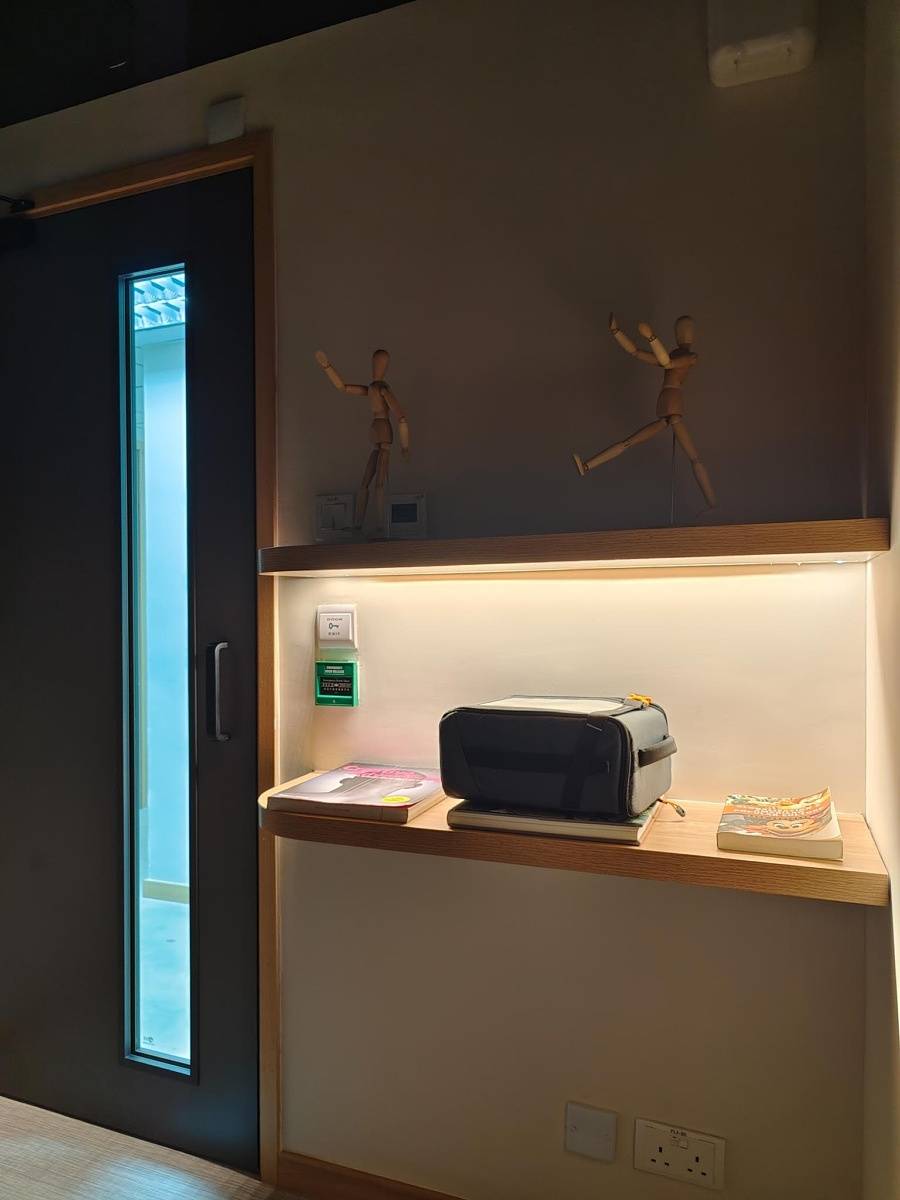




And once we zoom in -- the Vivo X70 Pro+'s shots have less noise and better details.



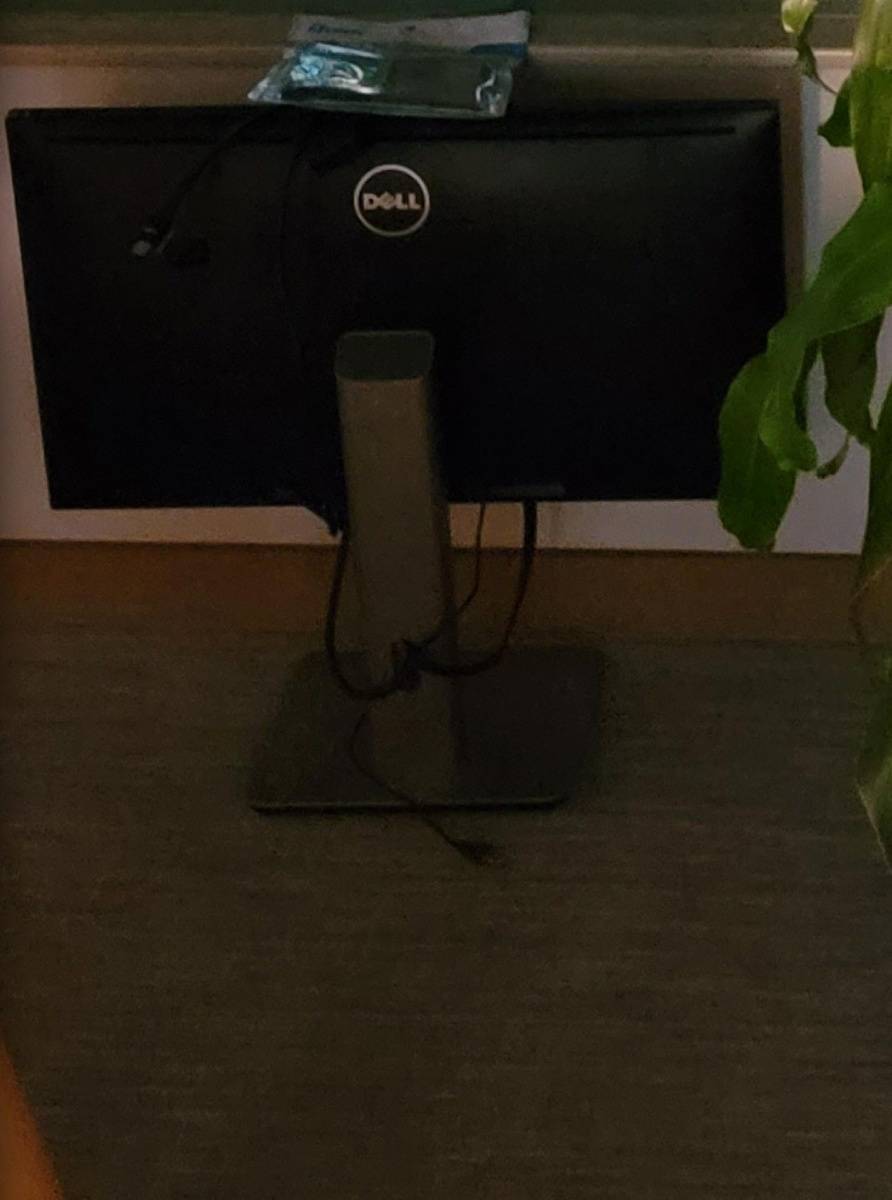
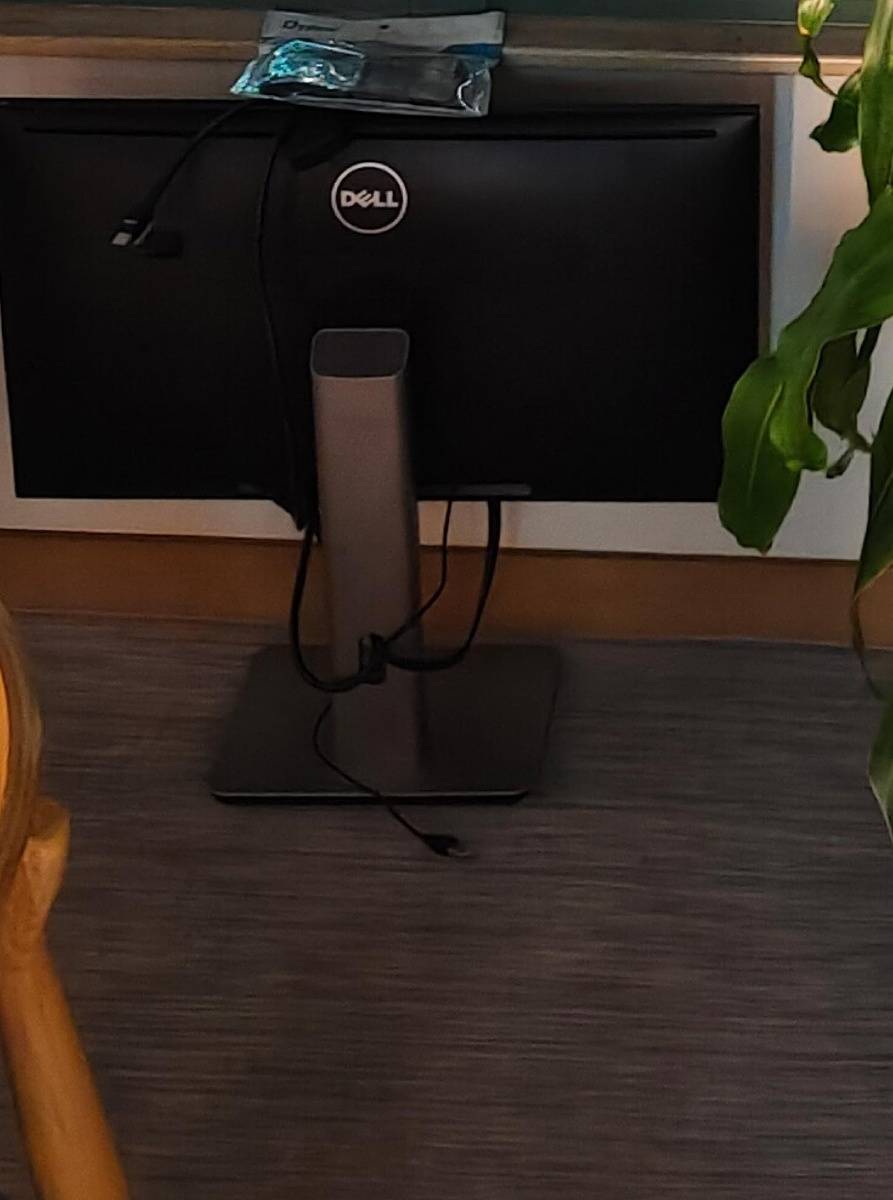





More photo samples.






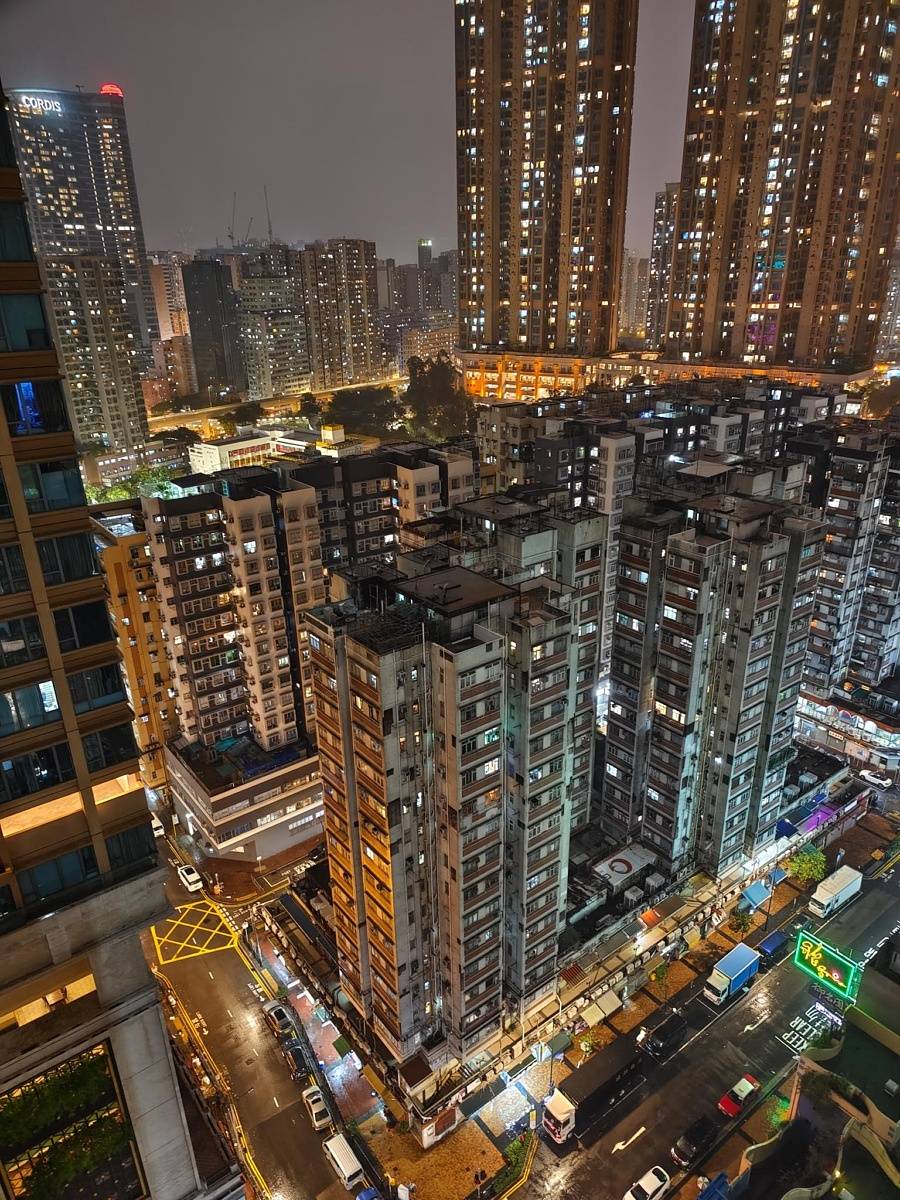
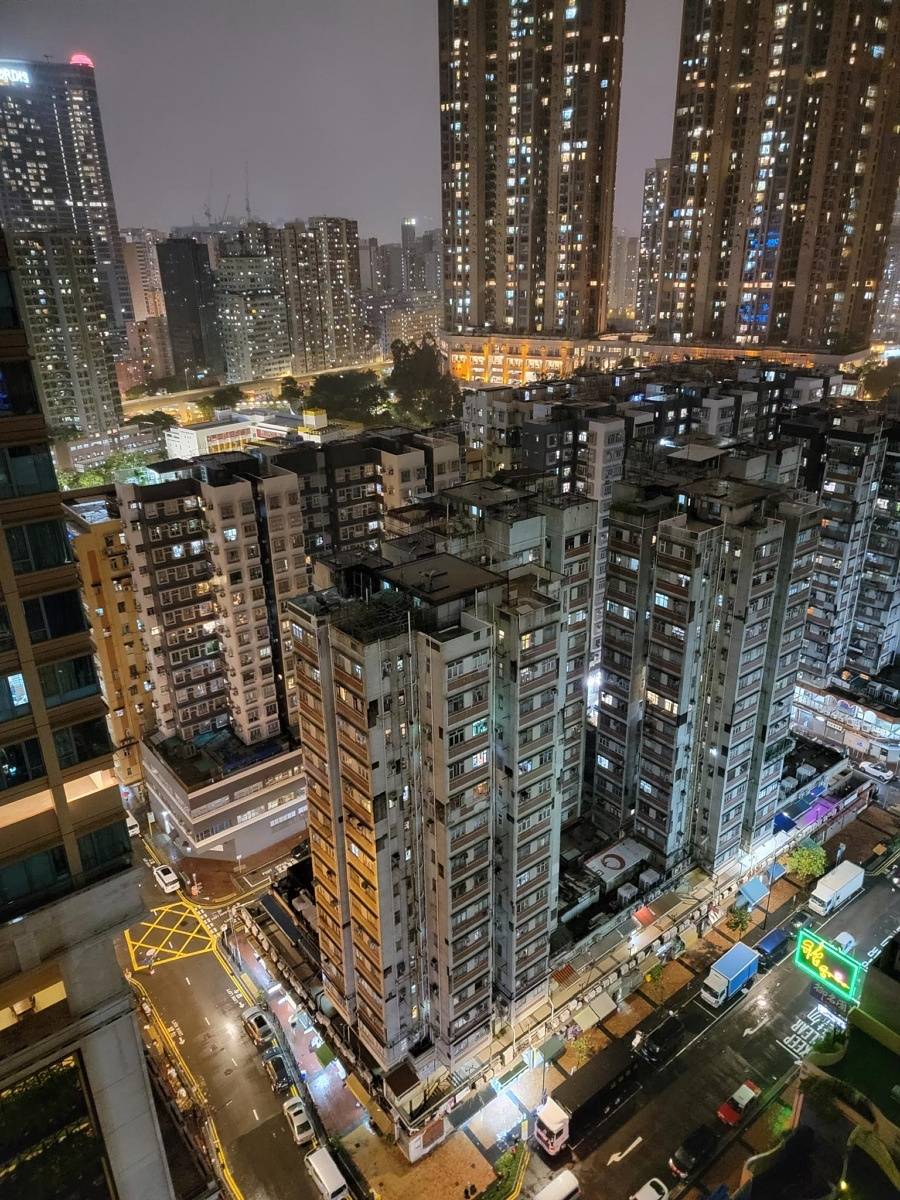










As for video recording with the main camera, it's very close. Stabilization between the two seems identical -- excellent during the day; at night, both suffer from micro-jitters. Samsung's footage has punchier colors but Vivo's footage pulls in a bit more light when shooting at night.
Once the sun sets or the light dims, the Vivo X70 Pro+ is just the better low-light camera
For the most part, I think for daytime photos, the X70 Pro+ and Galaxy S21 Ultra trade wins. But once the sun sets or the light dims, the X70 Pro+ is just the better low-light camera.
Samsung Galaxy S21 Ultra vs Vivo X70 Pro Plus: Ultra-wide Camera
Vivo's X70 Pro+ features a 48MP ultra-wide sensor that produces pixel-binned 12MP shots. The Galaxy S21 Ultra's ultra-wide lens is a straightforward 12MP camera.






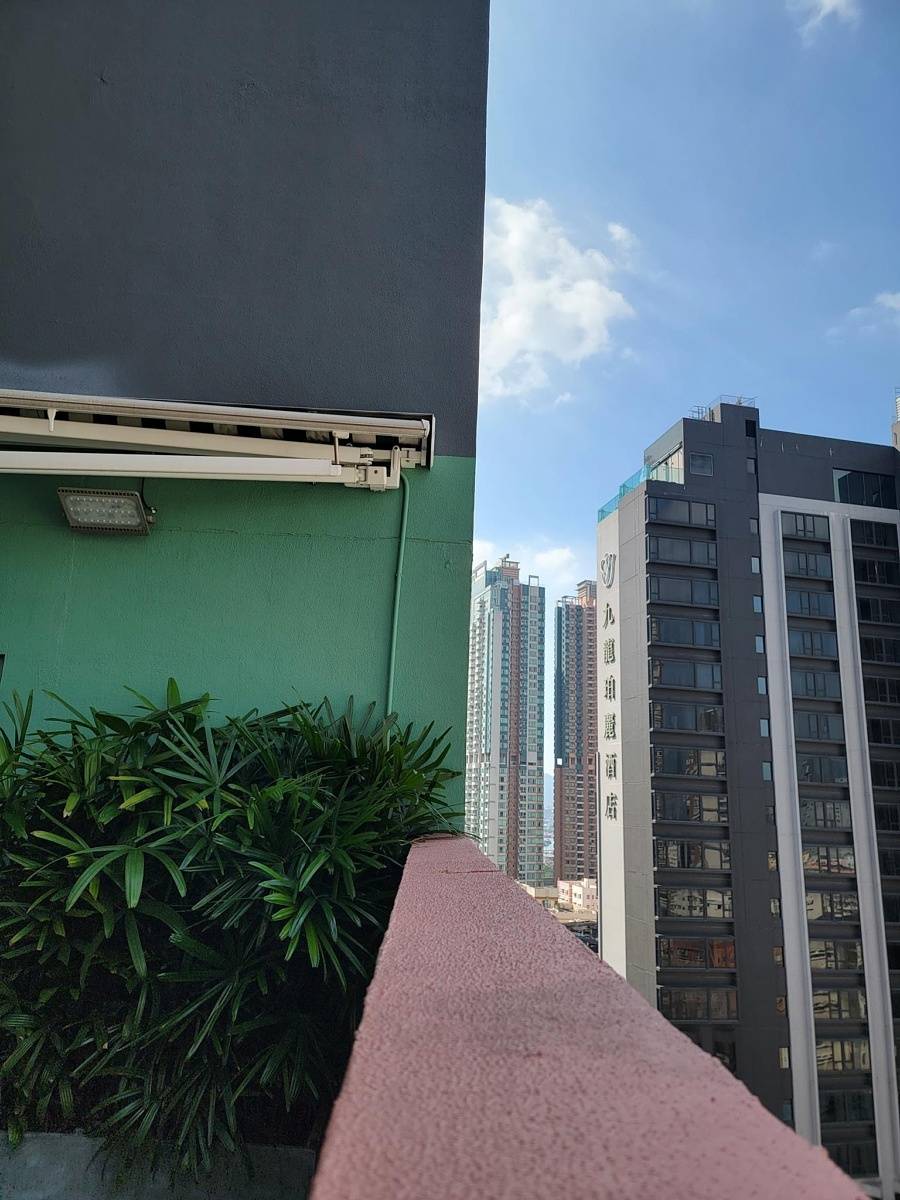
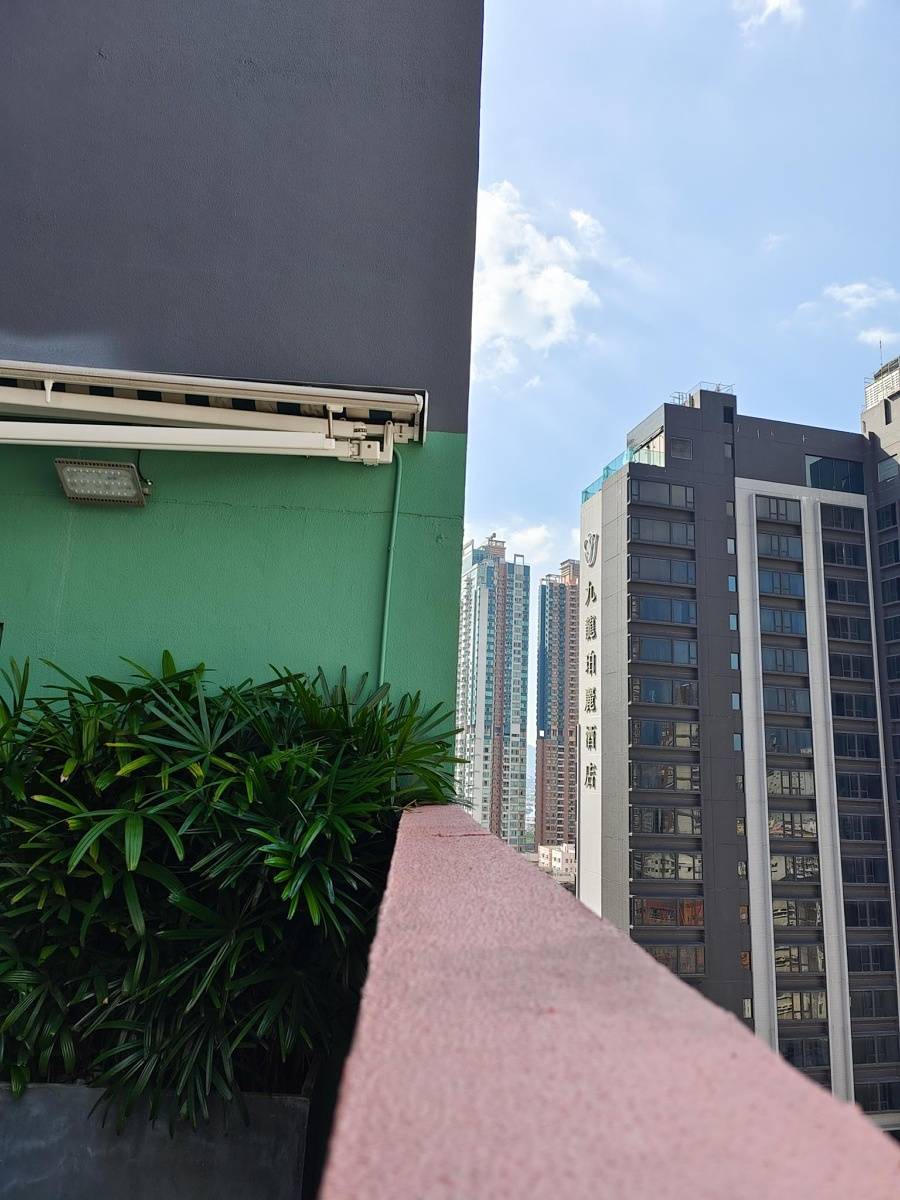










Daytime shots are a virtual tie between both phones' ultra-wide, as they produce images with very similar dynamic range and sharpness. Samsung's image tends to have a cooler tone.










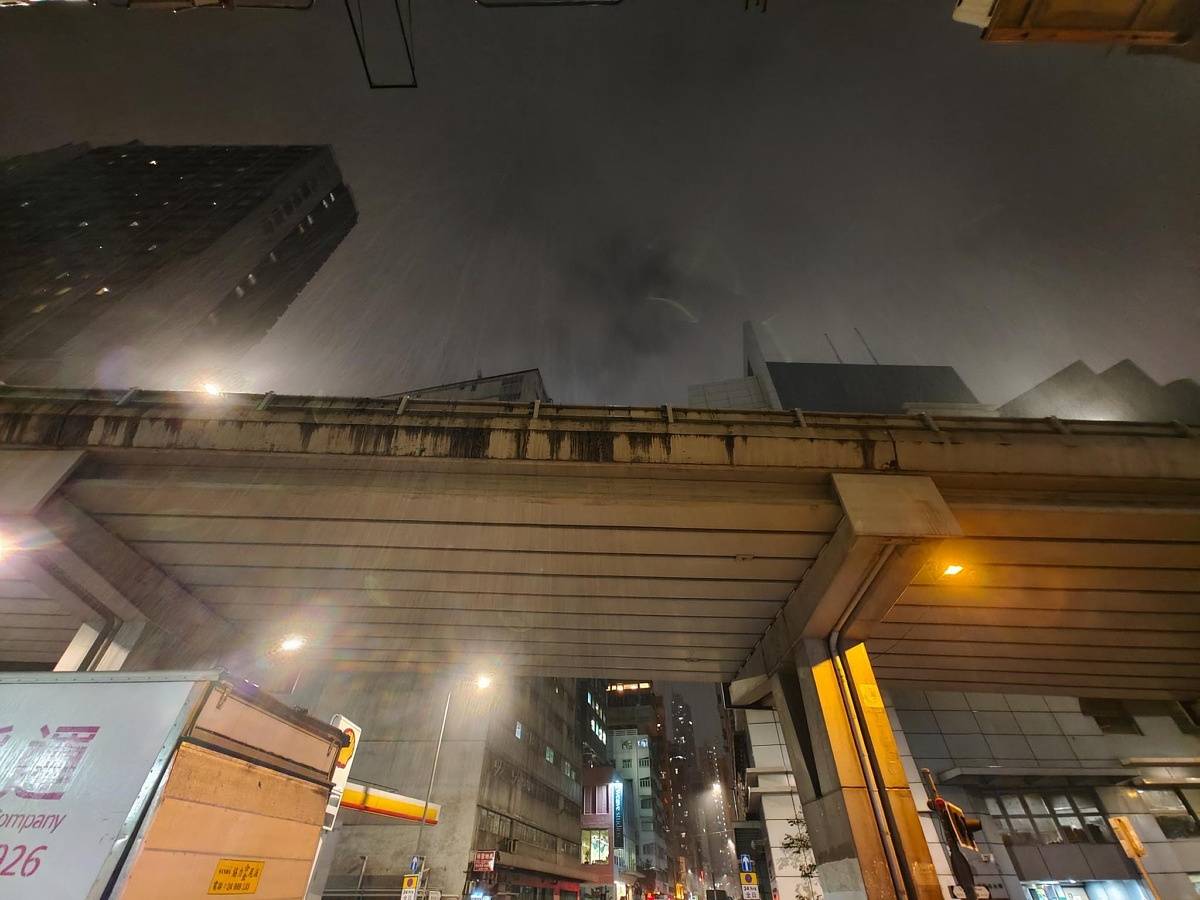
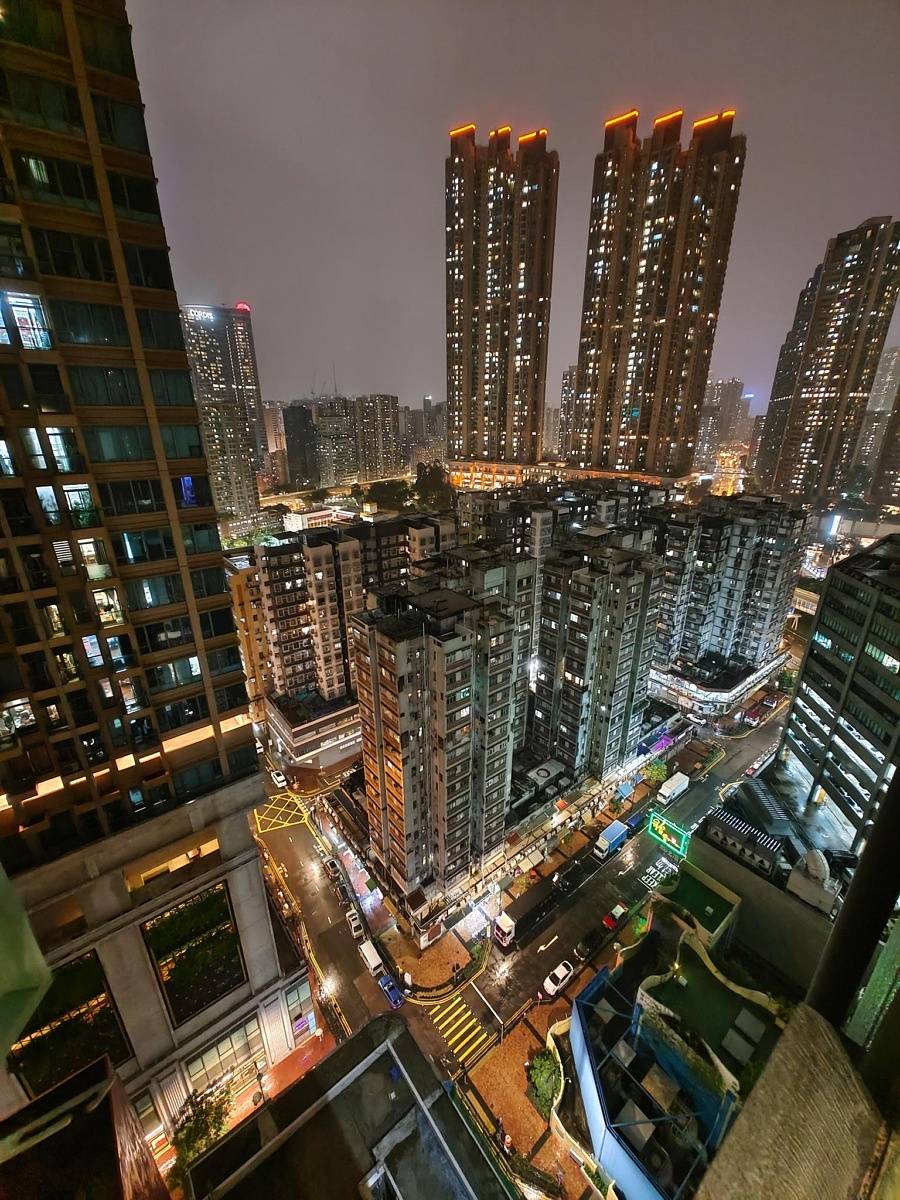
However, if we shoot in low light conditions, then the Vivo X70 Pro+'s ultra-wide shots consistently beat the Galaxy S21 Ultra's.






In low light, Vivo X70 Pro+'s ultra-wide shots consistently beat the Galaxy S21 Ultra's
Even from afar, we can see Vivo's shot has livelier colors (look at the sky, and the lights emitting from the stores on the street), but once we zoom in, my friend's face and hair, along with the texture of the wall on which she's leaning, are noticeably blurrier on Samsung's shot.

Samsung's ultra-wide is also prone to lens flare that doesn't affect Vivo's shots as much. This is likely thanks to the Zeiss T-coating that has been applied on all of the X70 Pro+'s camera glass lens.







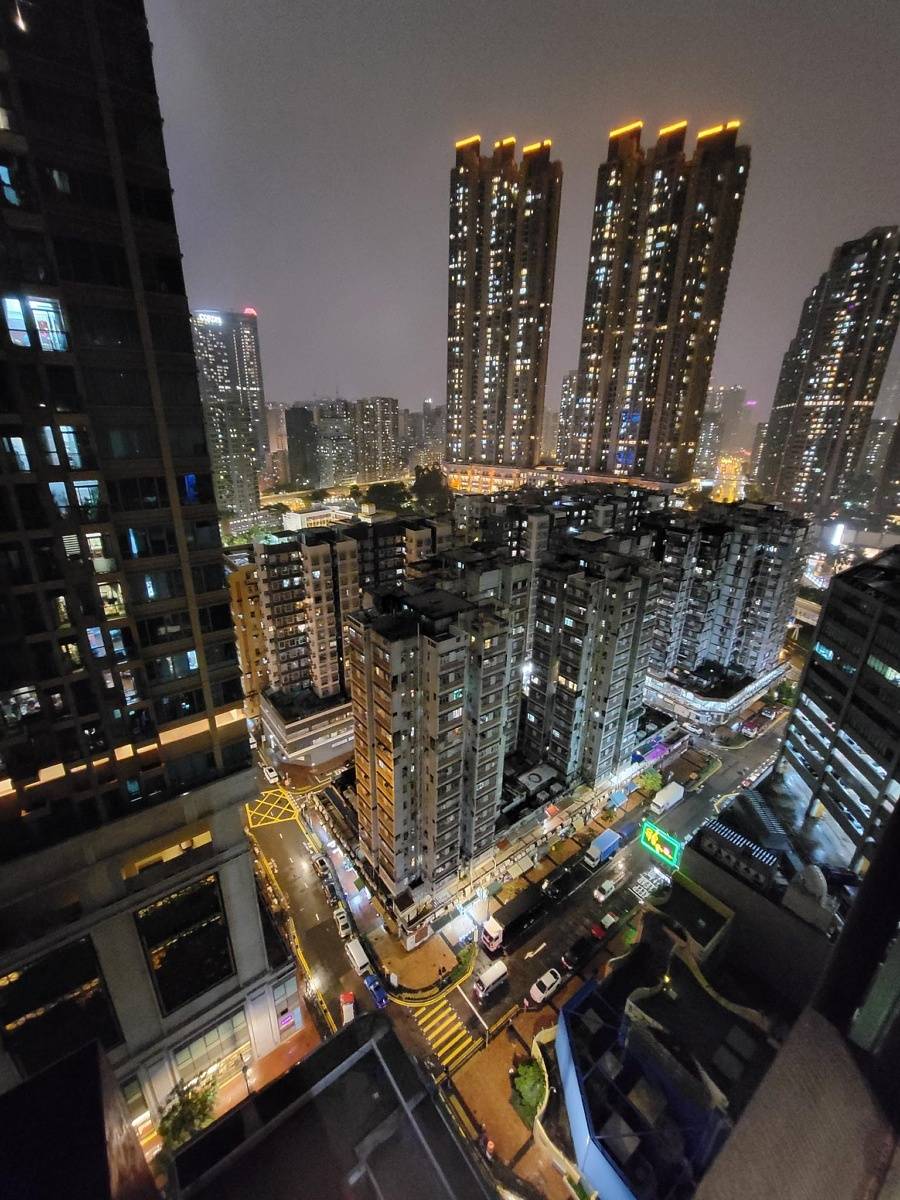






For video, the Vivo X70 Pro+'s ultra-wide is built on top of a gimbal, so it has slightly superior stabilization, particularly noticeable when walking fast. Otherwise, video footages are quite similar.
Samsung Galaxy S21 Ultra vs Vivo X70 Pro Plus: Portraits
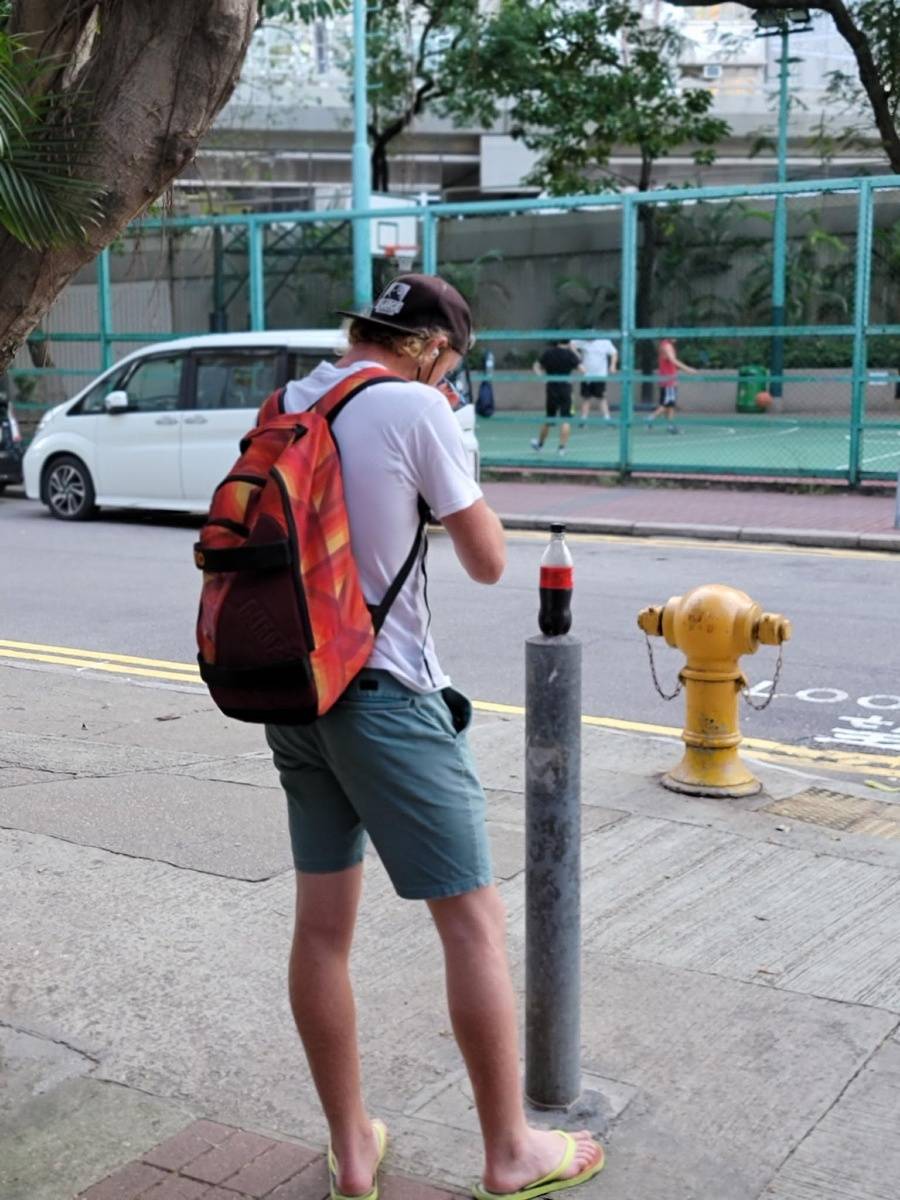
Vivo's X70 Pro+ uses its 2x telephoto for portraits, while Samsung has a dedicated 3x zoom lens. However, by default, Samsung's portrait mode shoots at 2x focal length -- which is quite strange (why wouldn't you default to the optical zoom lens instead of 2x digital zoom?).
Still, portraits from both phones are good, with on-point edge detection and a software bokeh that doesn't appear too fake.

















Samsung Galaxy S21 Ultra vs Vivo X70 Pro Plus: Zoom shots
Each phone uses two zoom lenses to cover the long and short focal lengths. For Vivo, there's that aforementioned 12MP 2x telephoto lens paired with an 8MP 5x Periscope lens with f/3.4 aperture. Samsung, on the other hand, gave the Galaxy S21 Ultra a 10MP 3x telephoto camera along with a 10MP 10x Periscope zoom with f/4.9.
Personally, I prefer Samsung's optical zoom distances (3x, 10x) because there's enough of a gap between the two to justify having two lenses, and I take long 10x zoom shots often. However, I suppose one can argue having optical zooms at 2x and 5x are more practical zooming distances for normal usage?


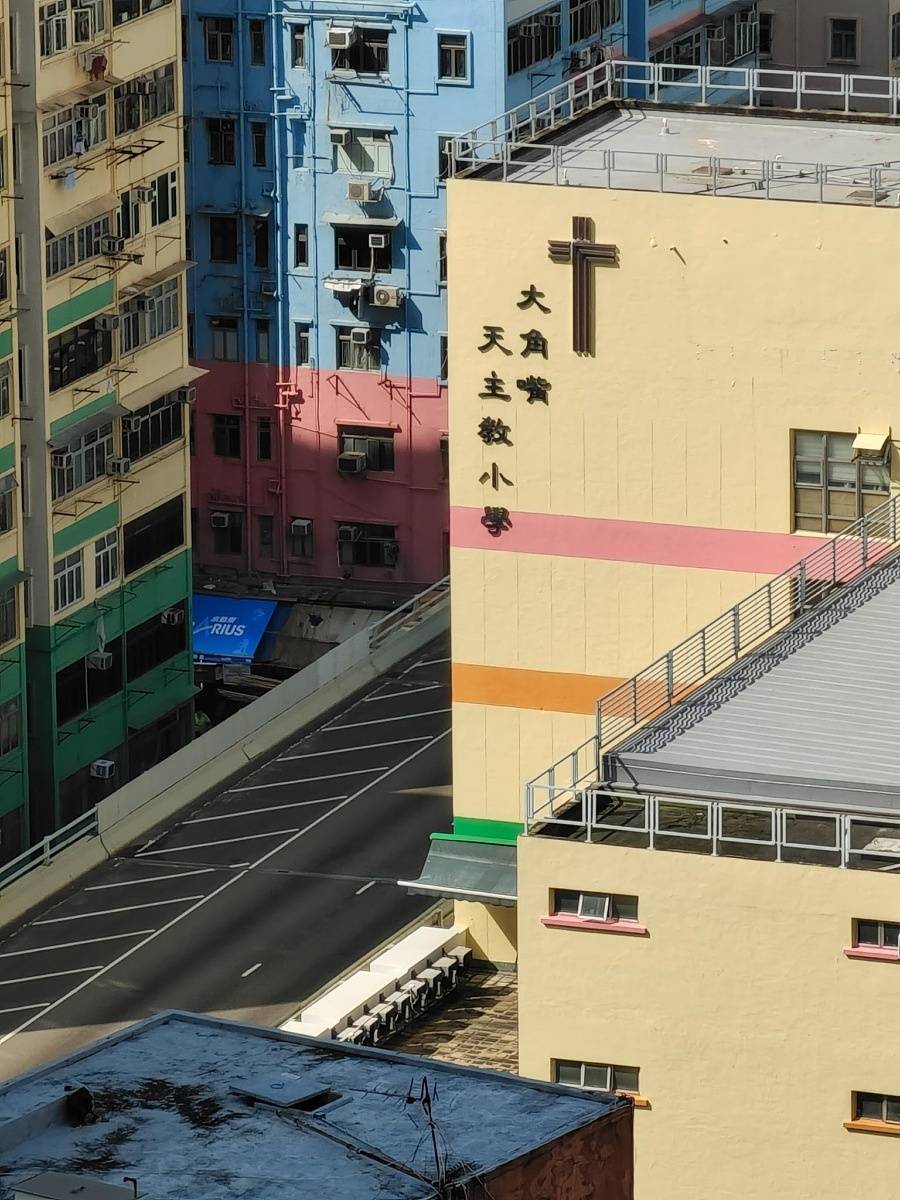
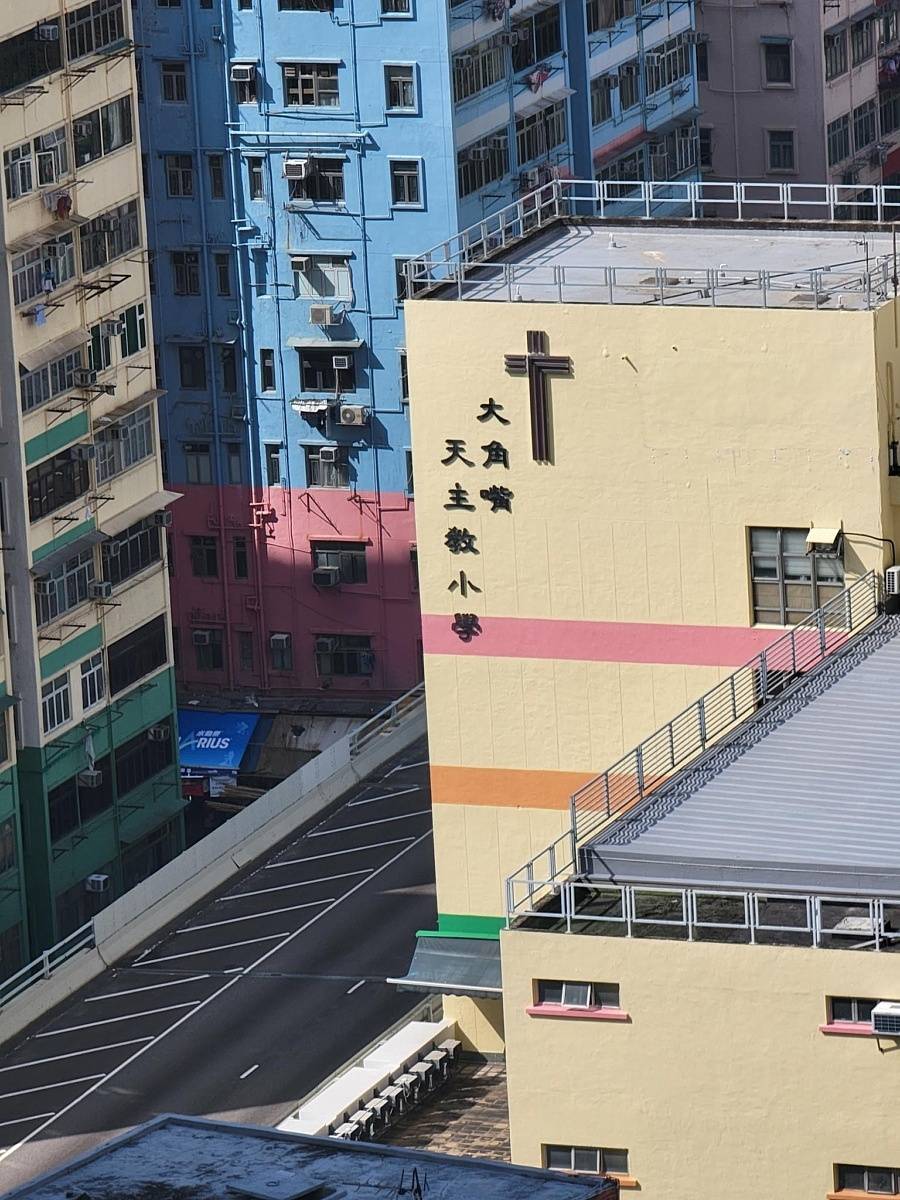






As expected, both phones' respective short optical zoom (2x for Vivo, 3x for Samsung) are razor sharp. At 10x, the X70 Pro+ is using hybrid zoom, so it falls a bit short of the Galaxy S21 Ultra's optical 10x zoom.












And if we switch to 5x zoom, then the script is flipped: the Vivo X70 Pro+'s optical 5x looks sharper than Samsung's hybrid 5x. And if we go deeper -- 15x -- Samsung pulls ahead.
At night, however, the gap in zoom quality blurs. I think it's in low light conditions, Periscope cameras struggle, and hence both phones rely on software a whole lot more.














Even though the X70 Pro+'s zoom lens holds up very well against Samsung, we can still give a slight win to the Galaxy S21 Ultra's zoom system because when it does win (in the 15x shots), the difference is noticeable.
Samsung Galaxy S21 Ultra vs Vivo X70 Pro Plus: Selfies














[sc name="pull-quote-left" quote="Both phones are guilty of applying beauty filters to my face even when I didn't ask for it"]Both phones are guilty of applying beauty filters to my face even when I didn't ask for it, but Vivo's skin whitening/smoothening effects are stronger. I know there are people who prefer these filters, but phone brands need to give us the option to turn it off entirely if we want. And no, turning off beauty mode doesn't entirely remove it. For videos, it's a clear win for Samsung -- the Galaxy S21 Ultra selfie footage has better balance and audio.
Samsung Galaxy S21 Ultra vs Vivo X70 Pro Plus: Conclusion

The Vivo X70 Pro+ is the best all-around Android camera phone right now
Going by my samples, Vivo's phone wins the main camera and ultra-wide sections, while Samsung wins zoom and selfies. The portrait section was a virtual tie. Two-two draw then, right? Not exactly. I think it's almost inarguable that main and ultra-wide camera performance is more important than zooming and selfies, and Samsung's win in the zoom section was by a hair.
Samsung's Galaxy S21 Ultra had a long run as the most capable camera system in the world, but in my opinion, the throne has been taken by the Vivo X70 Pro+. The Vivo X70 Pro+ is the best all-around Android camera phone right now.

- Brand
- Samsung
- SoC
- Qualcomm Snapdragon 888, Exynos 2100
- Display
- 6.8" Dynamic AMOLED 2X curved display
- RAM
- 12GB, 16GB
- Storage
- 128GB, 256GB, 512GB
- Battery
- 5,000mAh
The Galaxy S21 Ultra brings a highly capable camera system and a large, beautiful screen.
