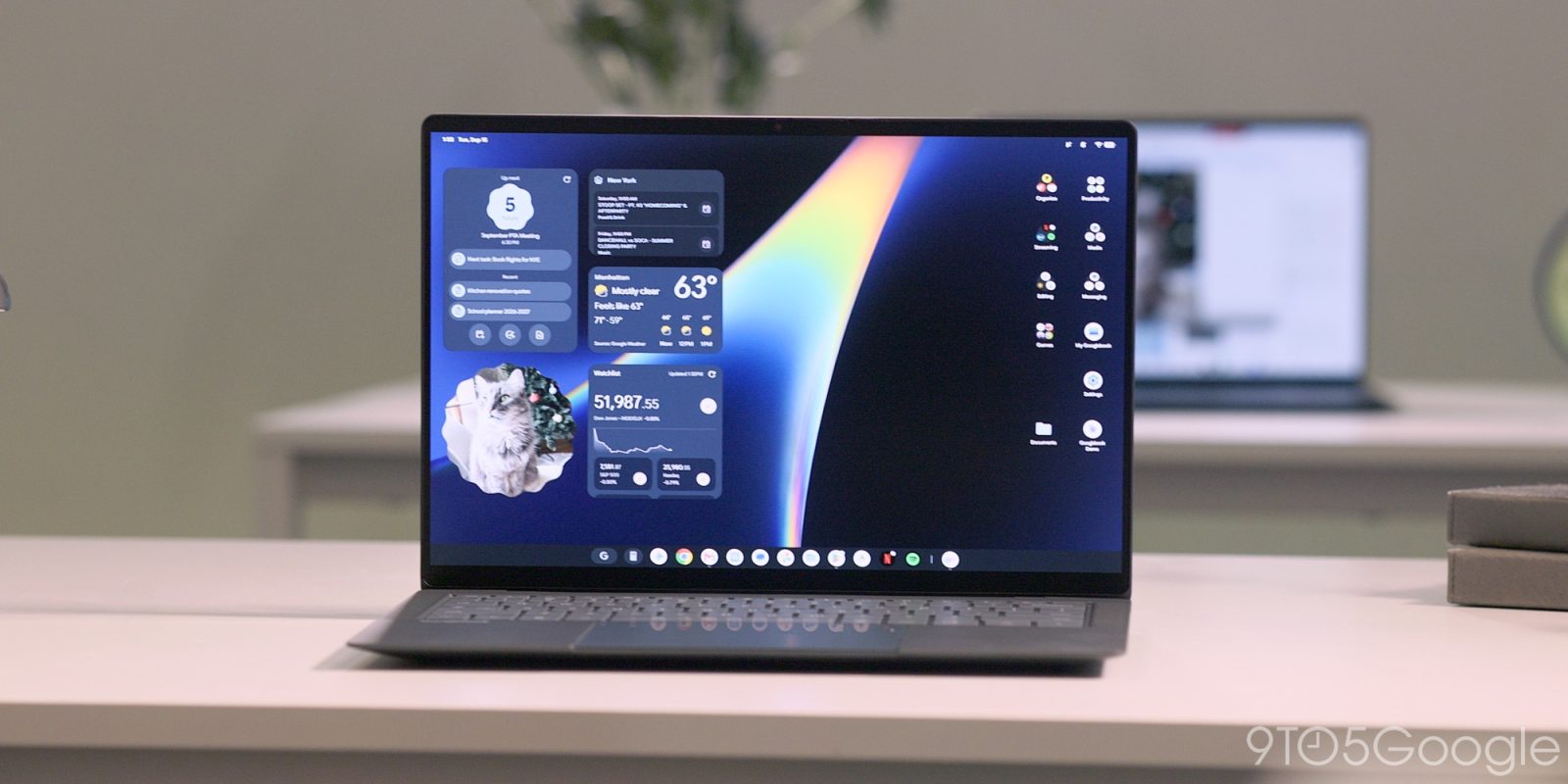
Just over a month after the launch, Google is rolling out the “Googlebook November update” with “many bug fixes, stability improvements, and firmware updates.”
At the Android Dev Summit 2026 earlier this week, Google said that Googlebook detachables will be the next form factor after clamshells and convertibles.
You probably shoudn’t buy a Googlebook. That’s less of an opinion about the platform itself, but more about the bad timing that this launch has seen, and protecting your own wallet.
9to5Google Weekender by Ben Schoon is a part of our free newsletter that also includes ‘Inbox,’ a twice-weekly roundup of key stories from around the web by Daniel Bader. Sign up here to get Weekender delivered to your inbox every Sunday along with ‘Inbox’ on Tuesday and Thursday. You can find past issues here.
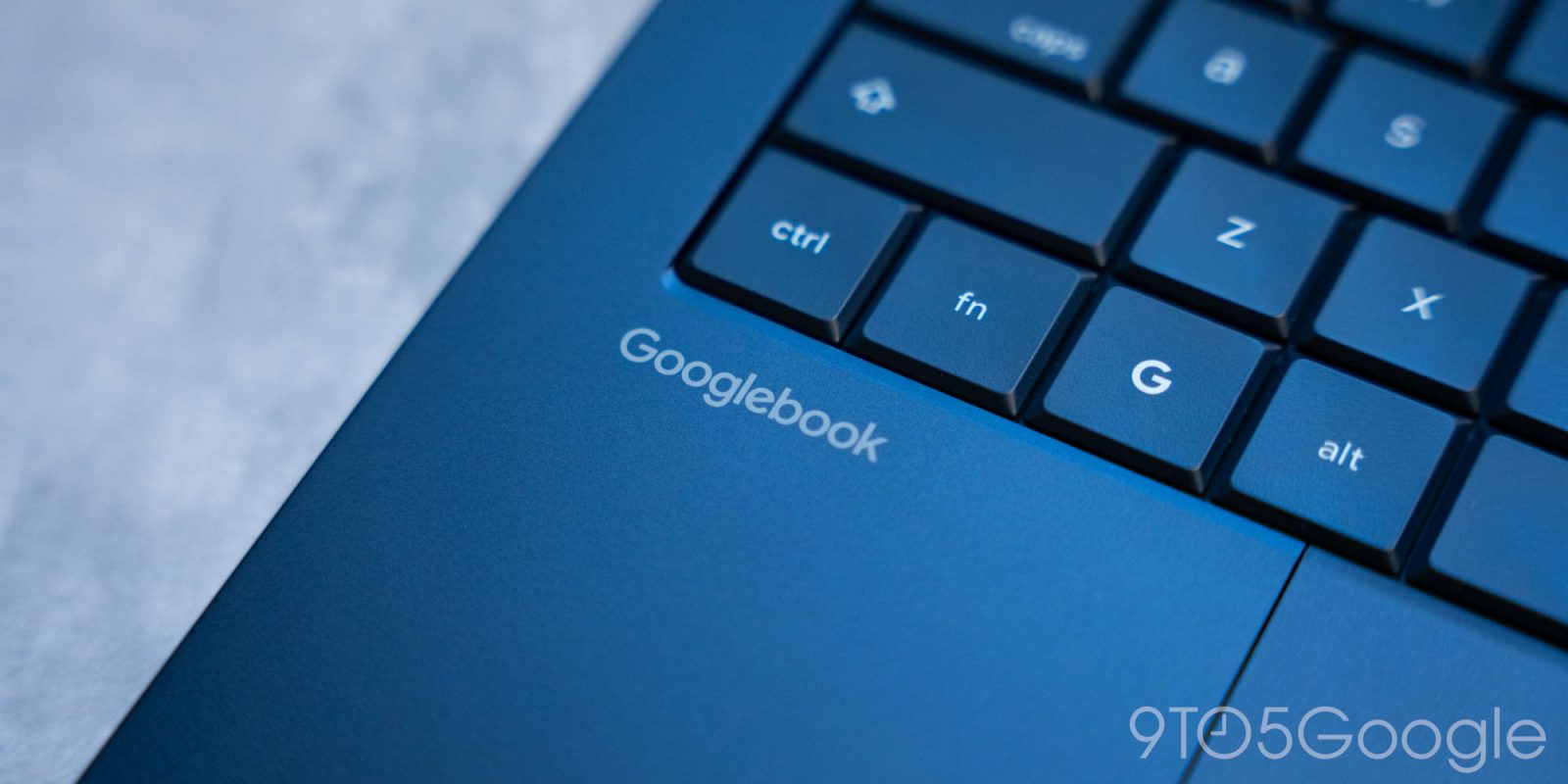
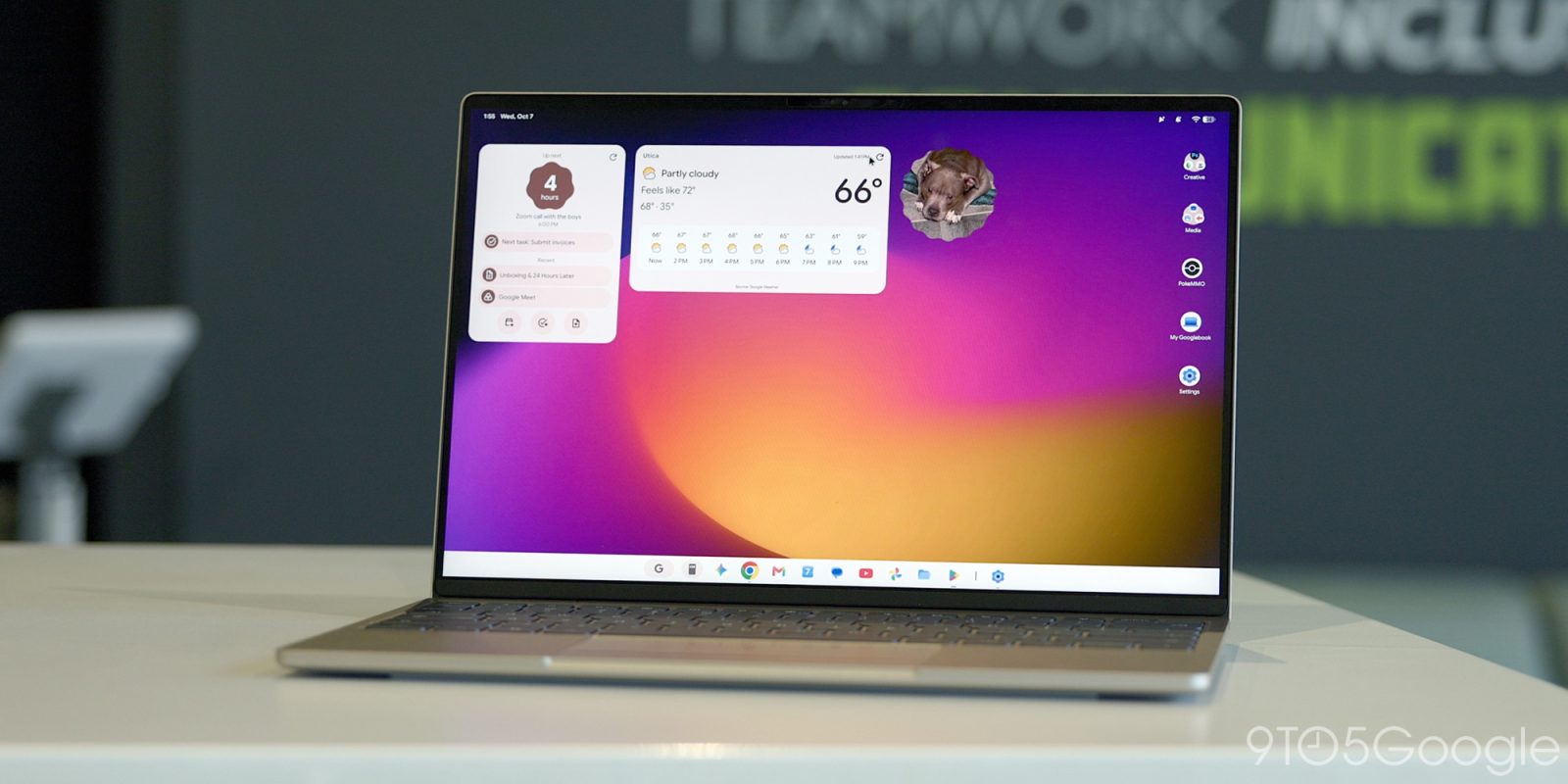
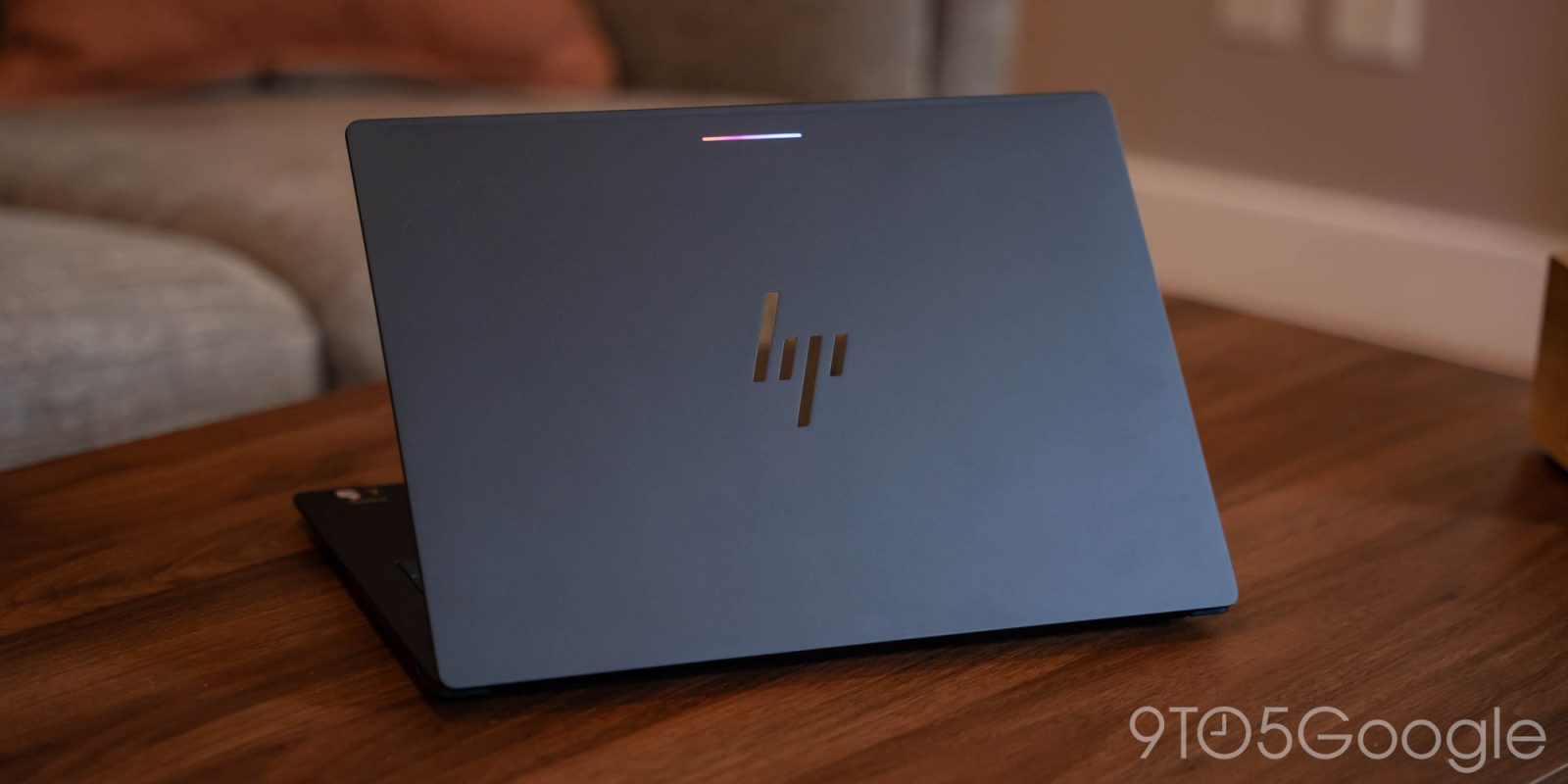
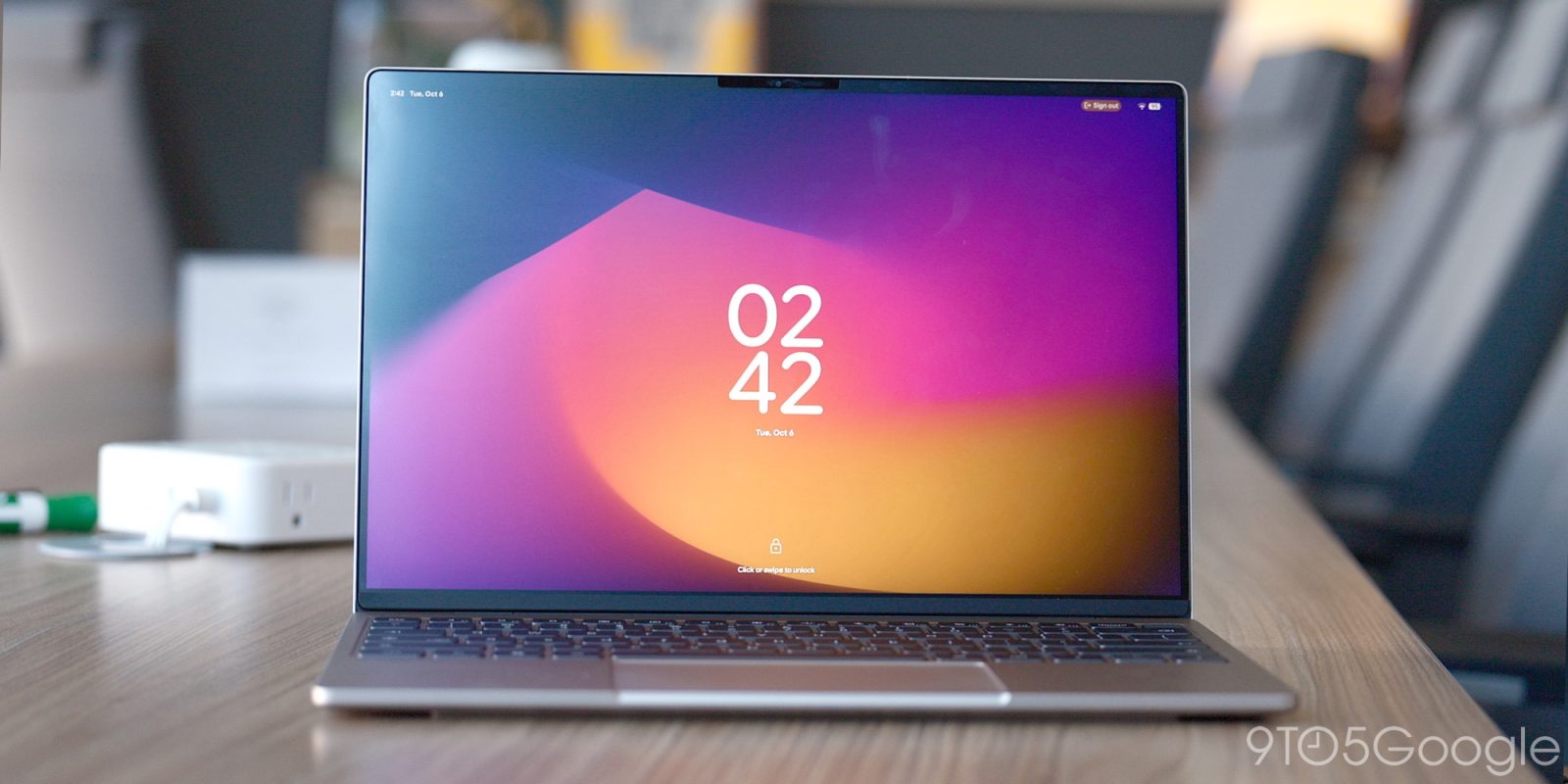
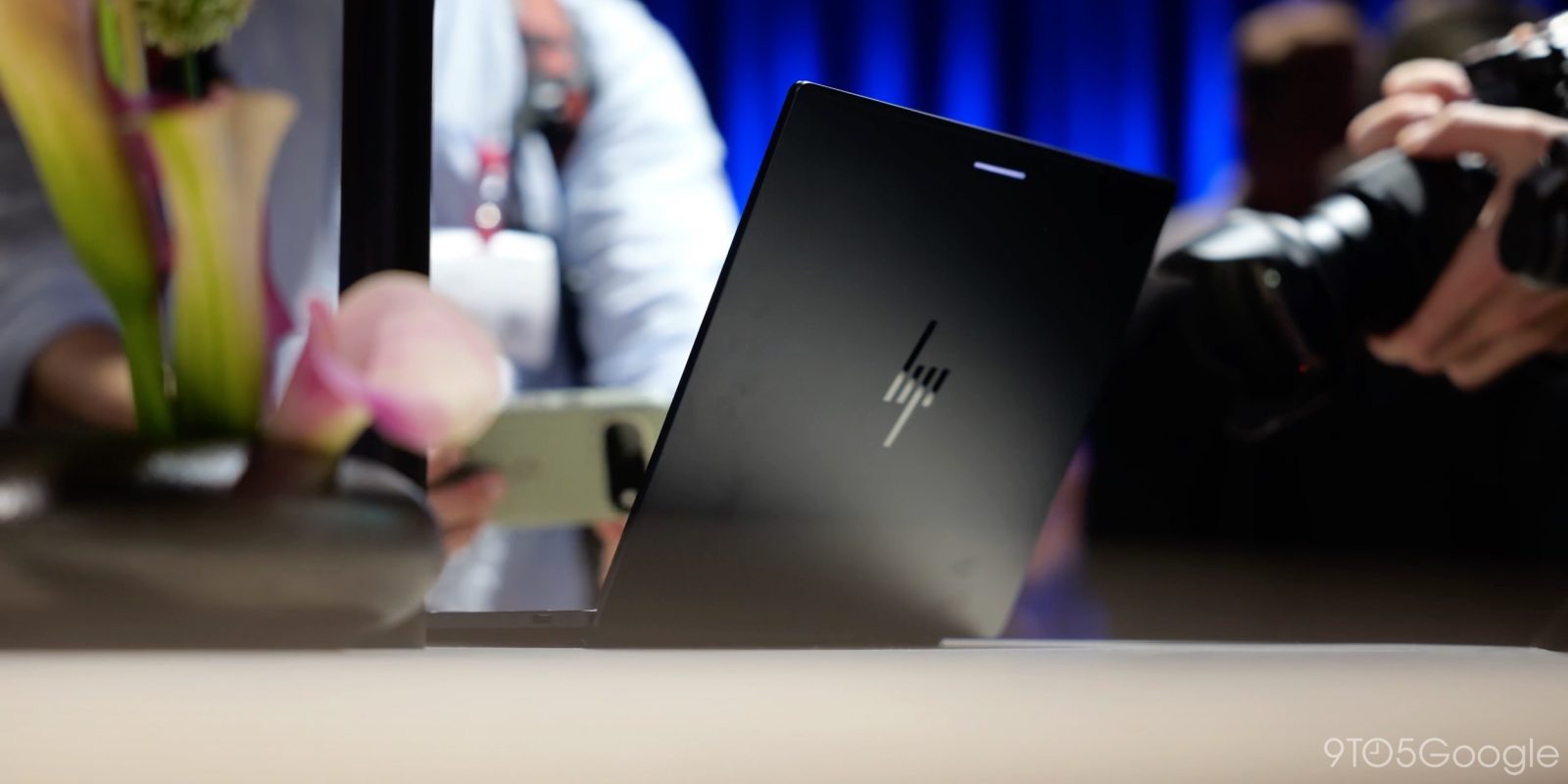
HP’s first crack at a Googlebook laptop is a winner, or at least as much of one as the platform allows. While Googlebook as an operating system leaves a lot to be desired, the HP Googlebook 14 checks every single box for a fantastic laptop.
Googlebook was always going to run into problems with app availability, but few expected the platform to regress its support for Linux apps from Chromebook’s fairly robust solution. In a blog post, Google reiterates that the “Linux Terminal Preview” on Googlebook isn’t for using Linux apps, but for building with AI.
All attempts to bring the lessons and benefits of the touch era to PCs have failed, from Windows 8 to the era after the iPad when the Mac gained fullscreen apps. From an experience perspective, the iPad came closest because it was built on iOS, but it still failed due to the locked-down limitations at its core.
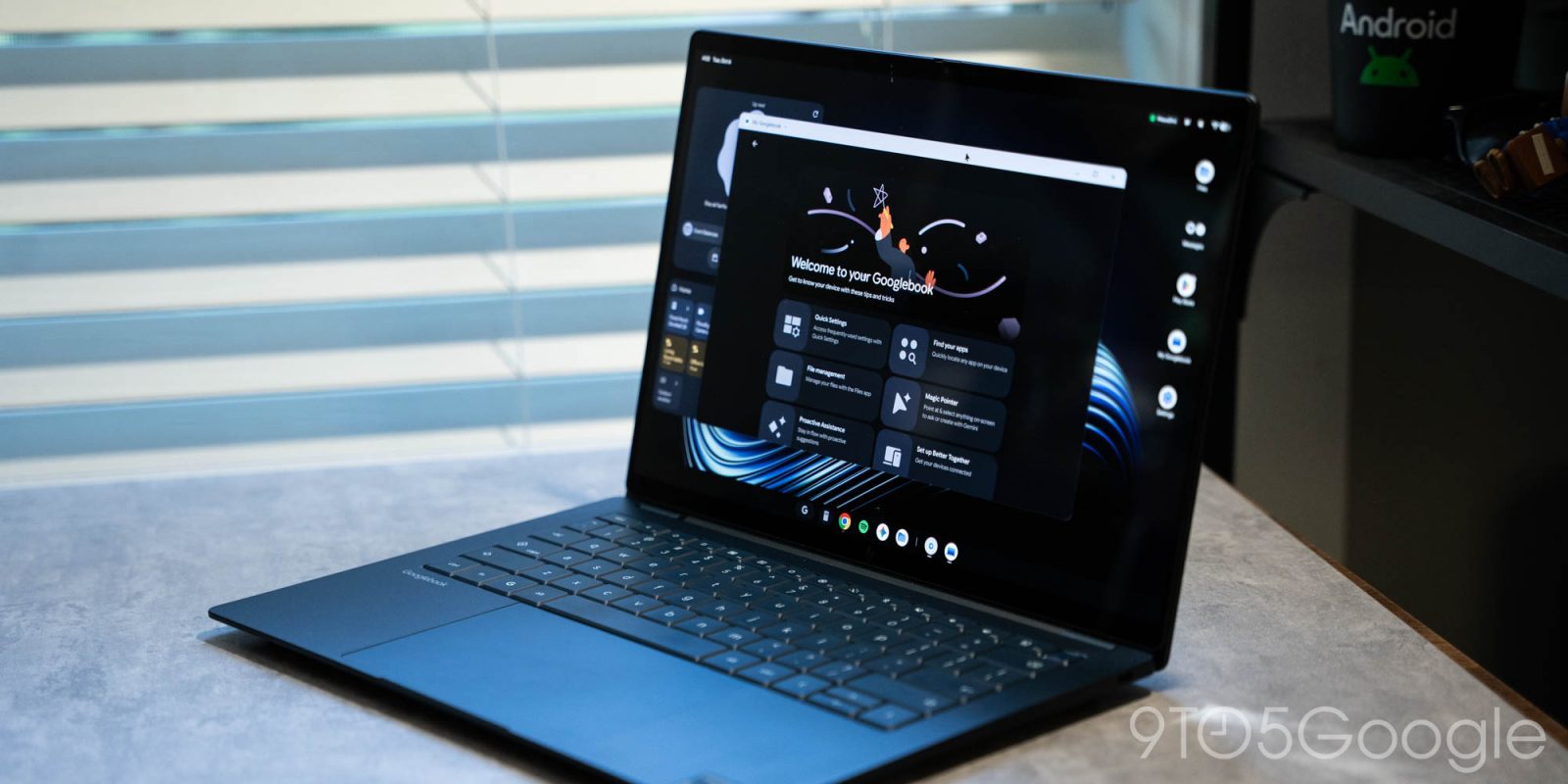
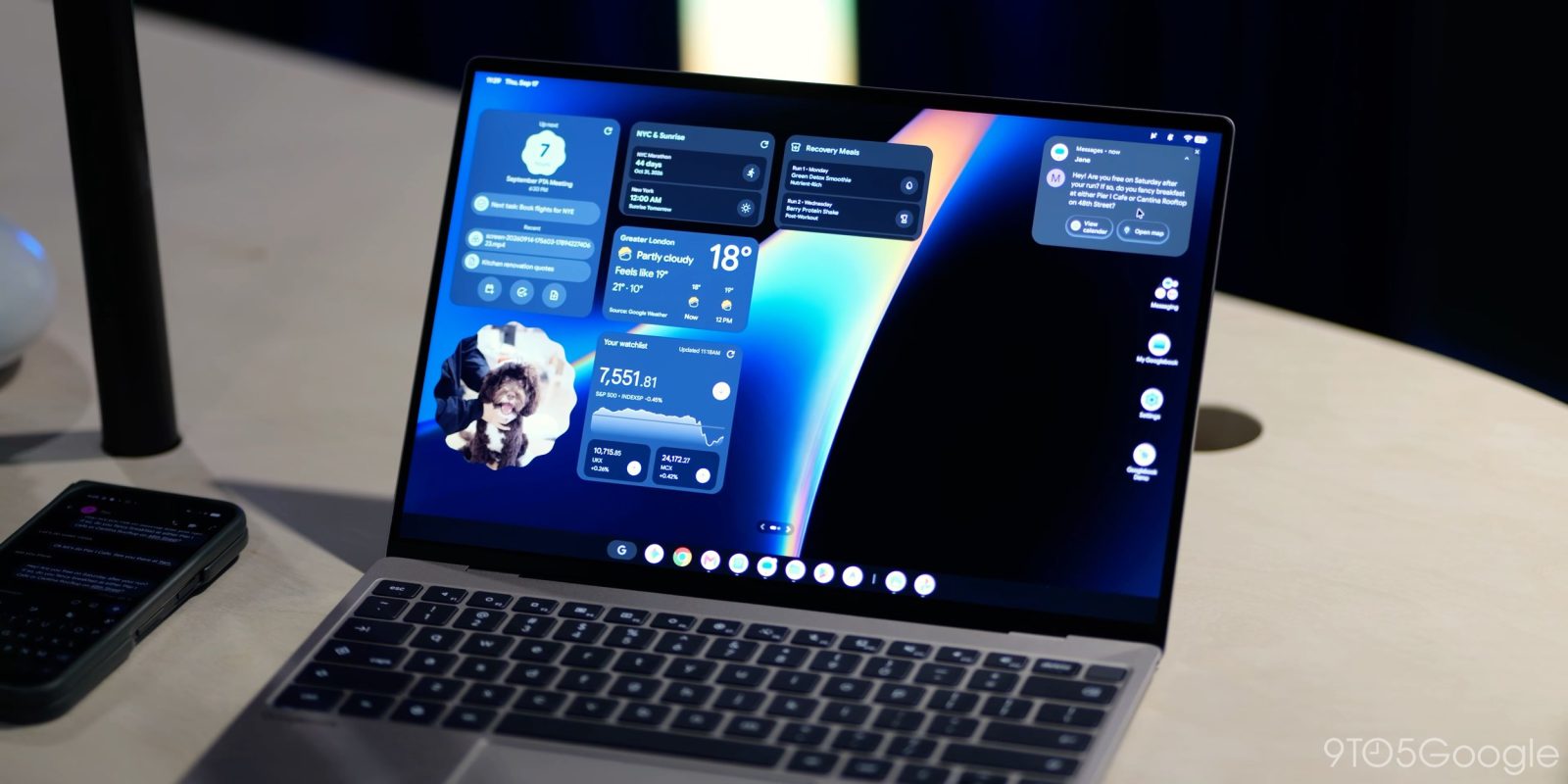
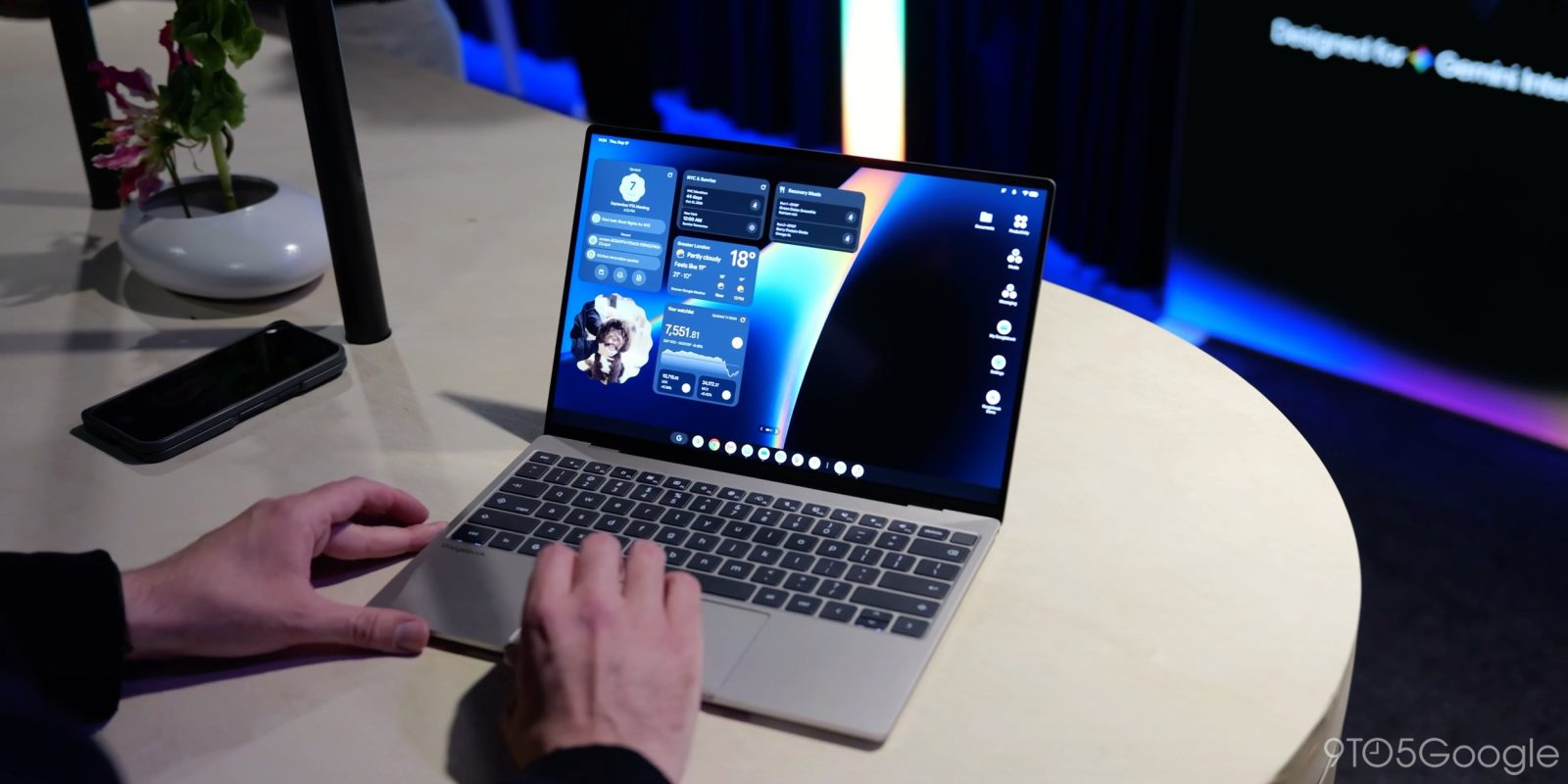
After using Googlebook OS for over a week, I think Google has the beginnings of a desktop OS for the Android smartphone generation, but the inherent strategy reset makes for a rough first take.
The big selling point for Googlebook is that it’s a desktop platform that deeply integrates with your Android phone but, at launch, those “Better Together” sync features are in a messy place. Google is now rolling out updates, including the bafflingly-missing support for Samsung devices.
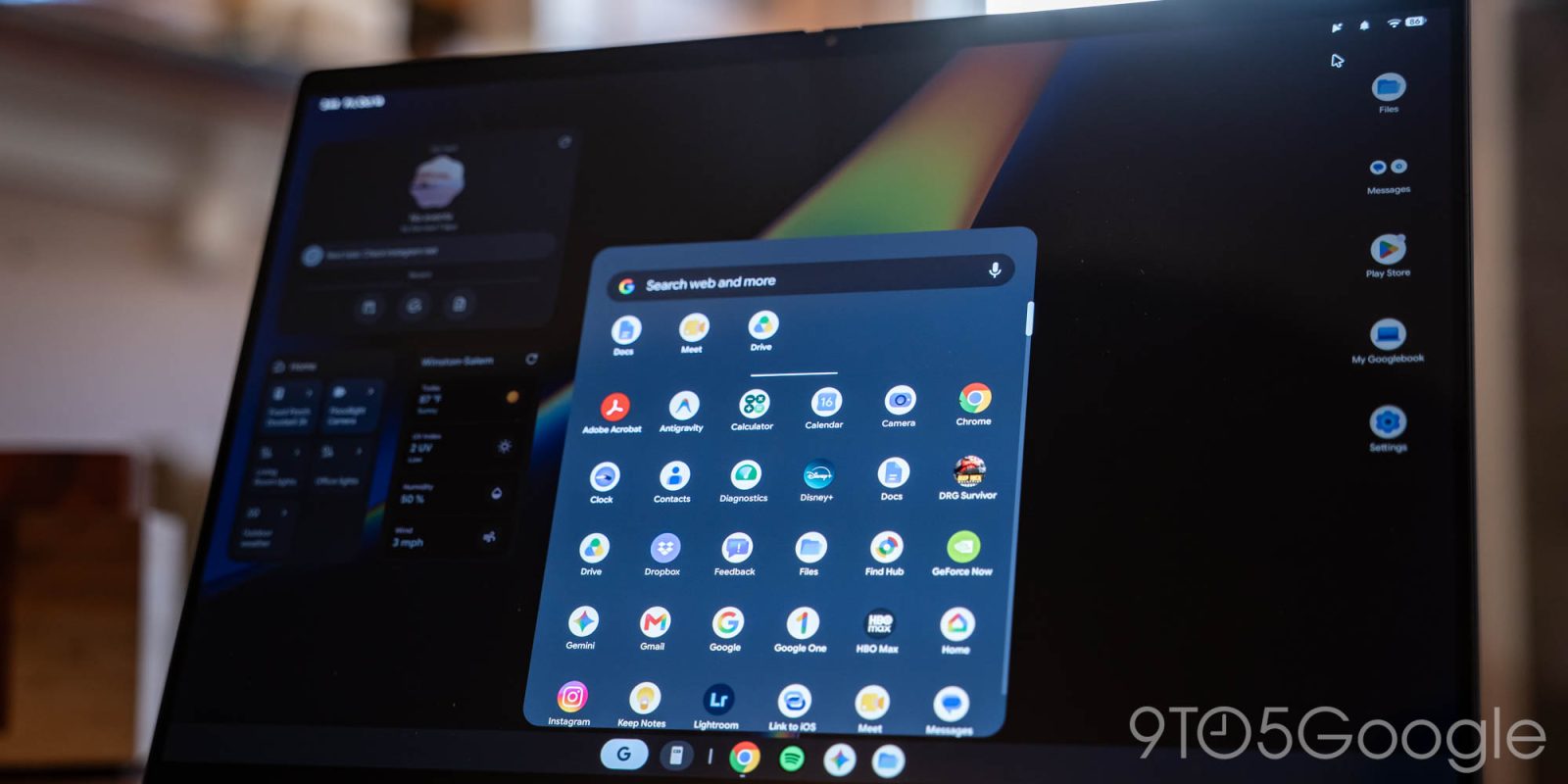
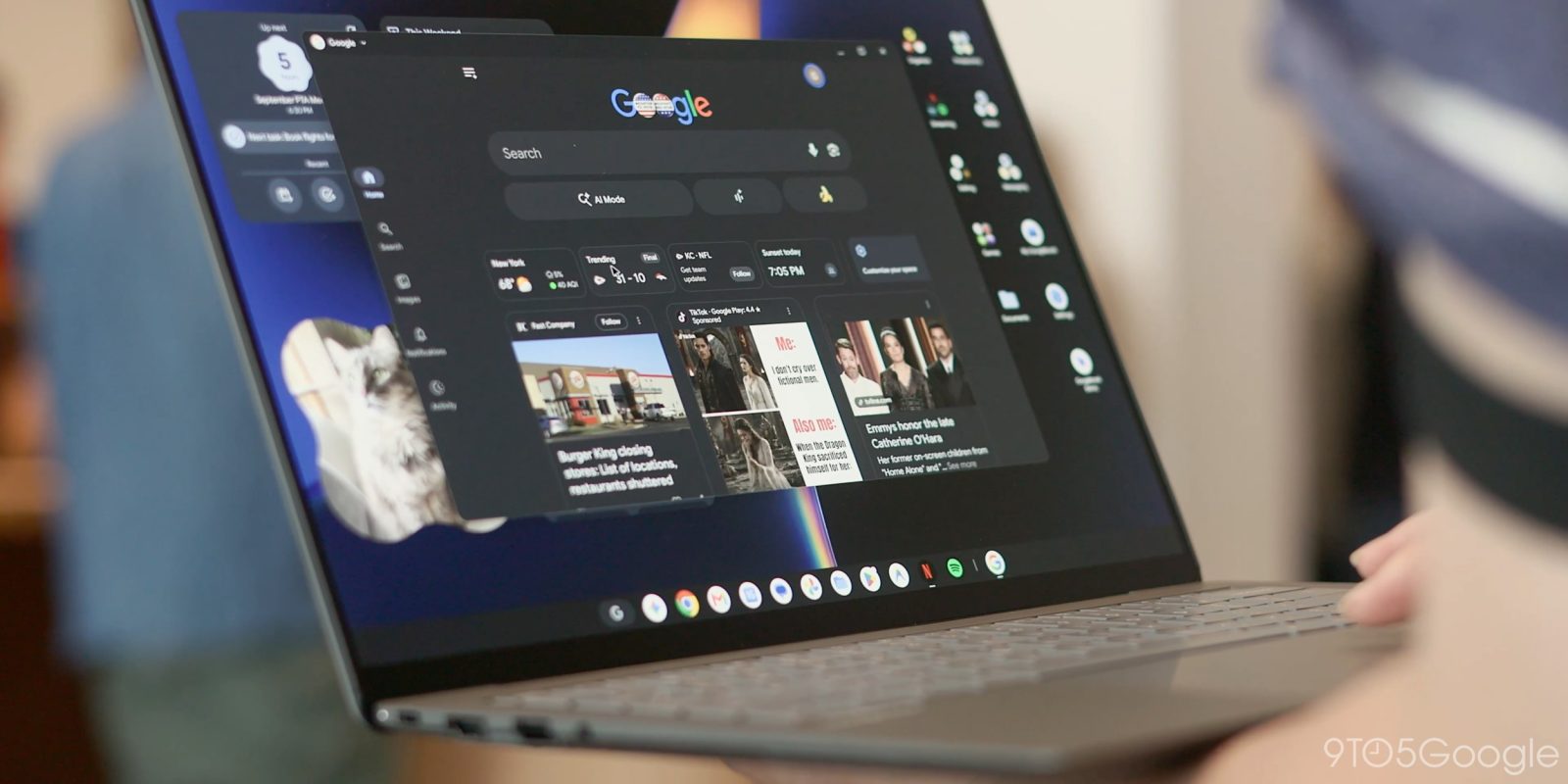
Having been using a Googlebook for the better part of a week, there are any number of headaches I could talk about, but easily the biggest problem I’m running into thus far is the app situation. Frankly, it’s a mess.
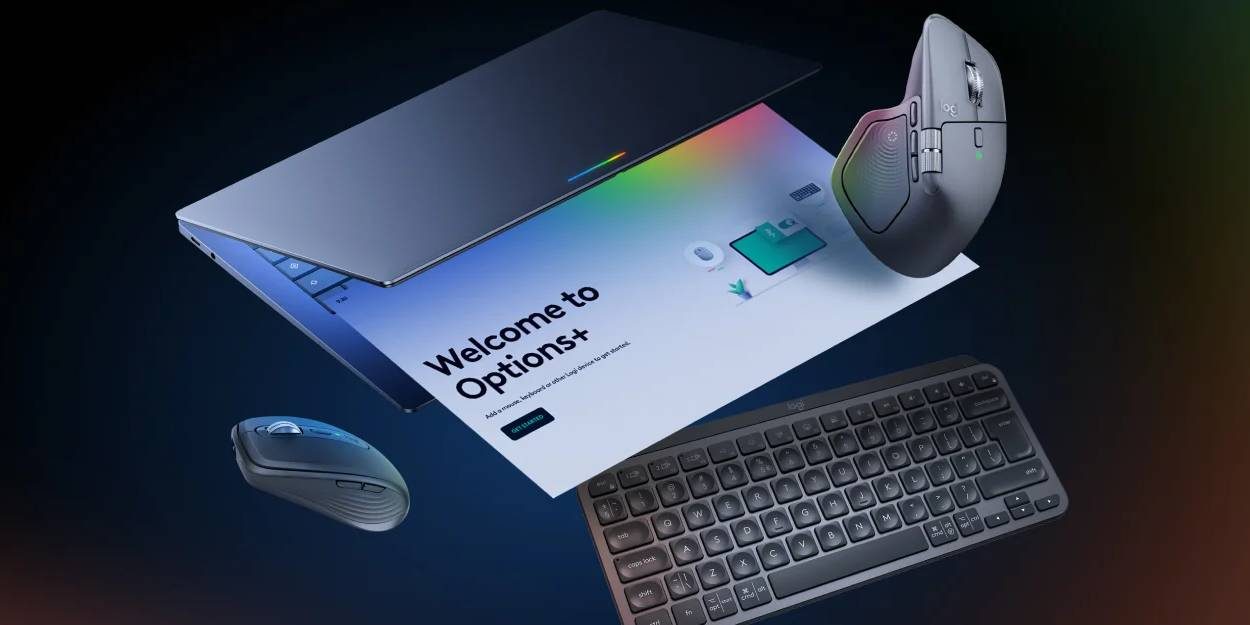
Logitech has just launched its Logi Options+ app for Googlebook, bringing support for controlling its keyboard and wireless mice to the Android-based platform.
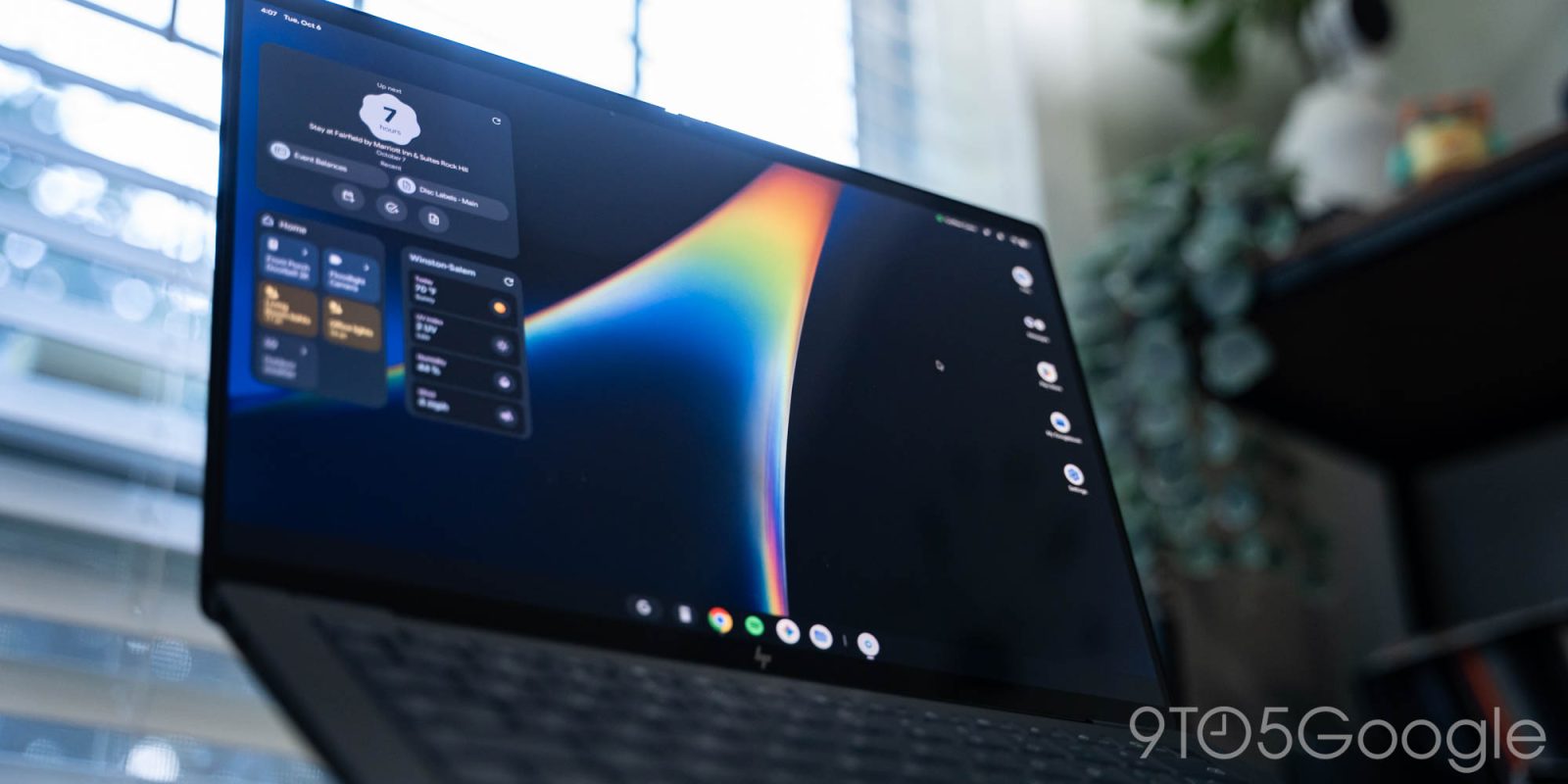
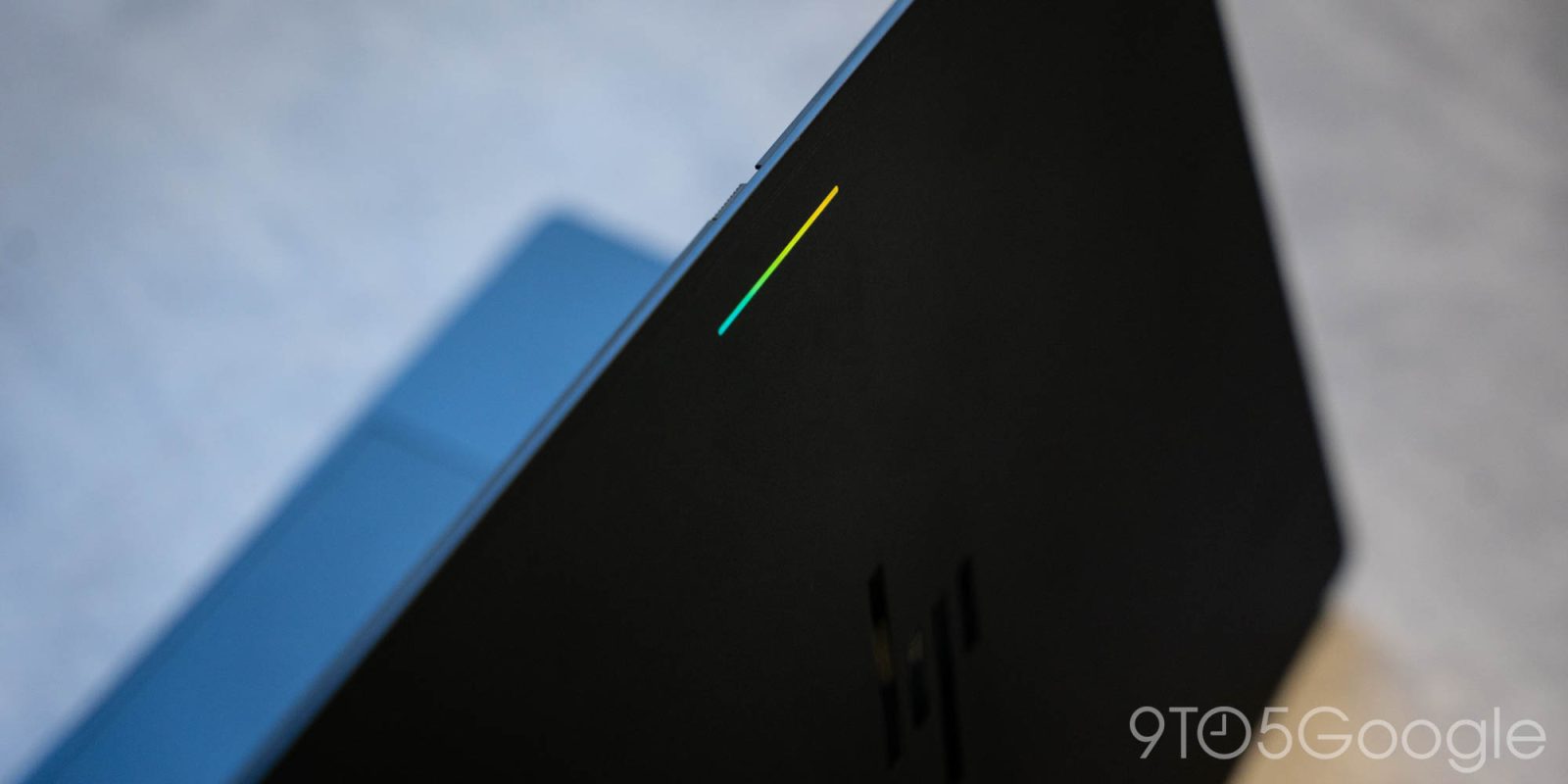
One of the beloved features of Google’s original big push into laptops, the Chromebook Pixel, is getting a revival in Googlebook’s Glowbar, but it very much feels like a hollow version of what came before.
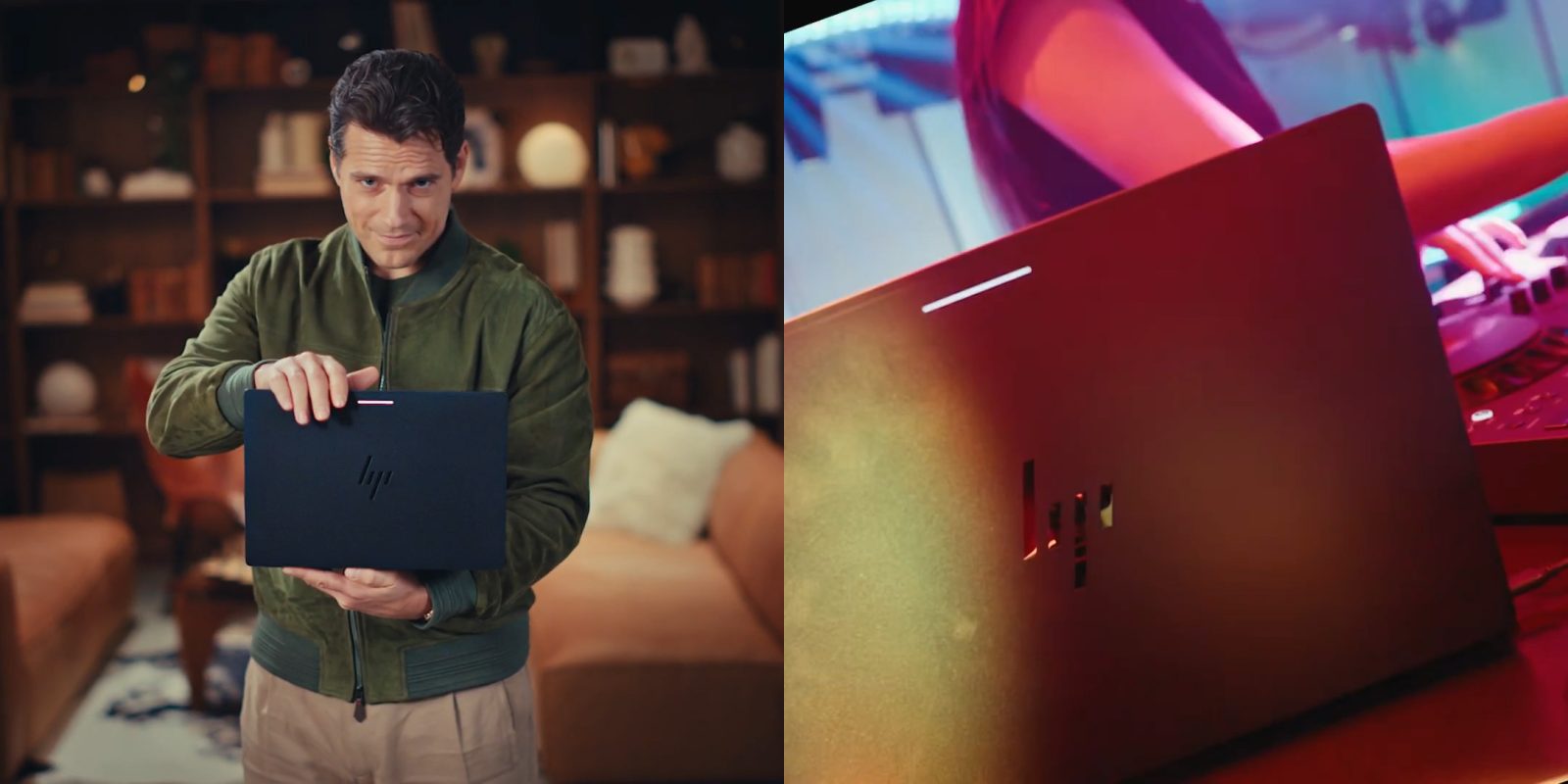
The latest Henry Cavill promo for Googlebook has arrived and, with it, some Justice League deja vu as the star’s mustache has vanished between the first two ads.
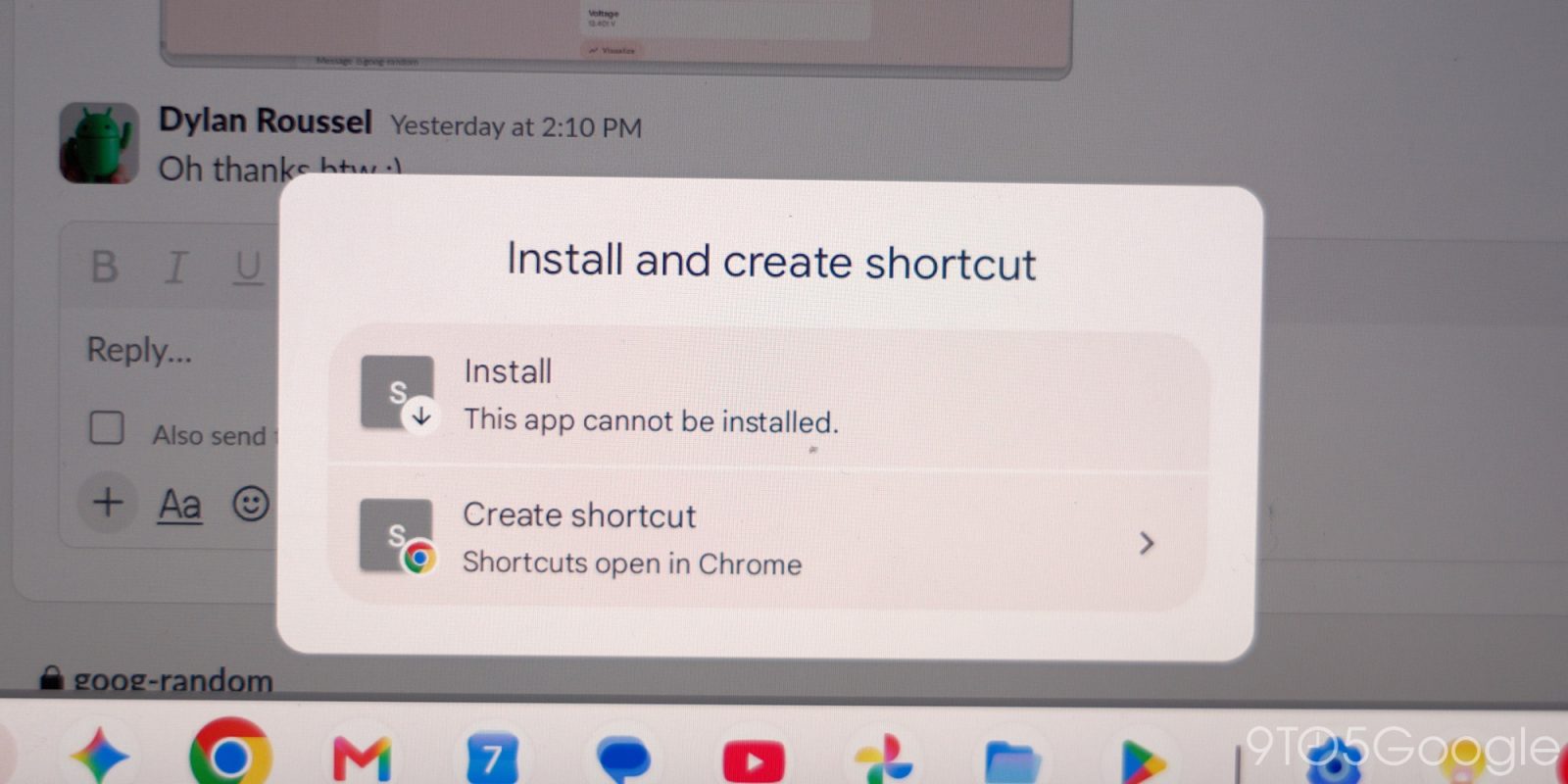
Googlebooks don’t have the same level of web app support as Chromebooks, as only “compliant” apps can be installed, and that’s not the only regression from ChromeOS, as Linux apps don’t work in the same way either.
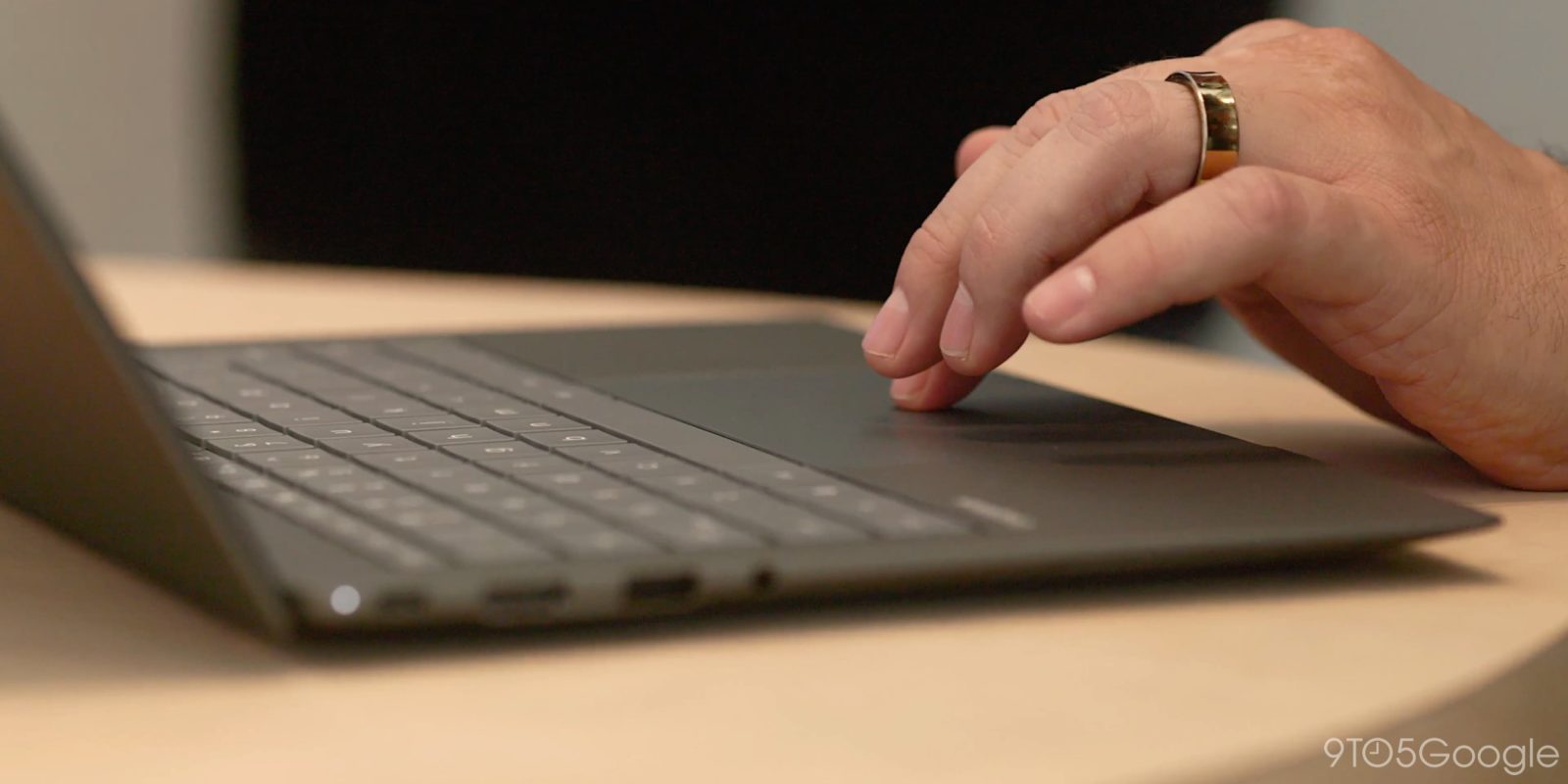
If you are an early Googlebook buyer, you should know that one of the first changes you should make on one of these new machines is to adjust the trackpad speed, because it’s a bit frustrating out of the box.
One of the biggest questions around Googlebook is what app support will look like and, as the platform officially arrives for customers this week, Luminar is debuting a rebuilt photo editing app for Googlebook.
Googlebook is an Android-based platform and, with that, comes the potential to do a bit more with it. Google has confirmed you can unlock the bootloader on a Googlebook, and now Magisk root support is already in the works.
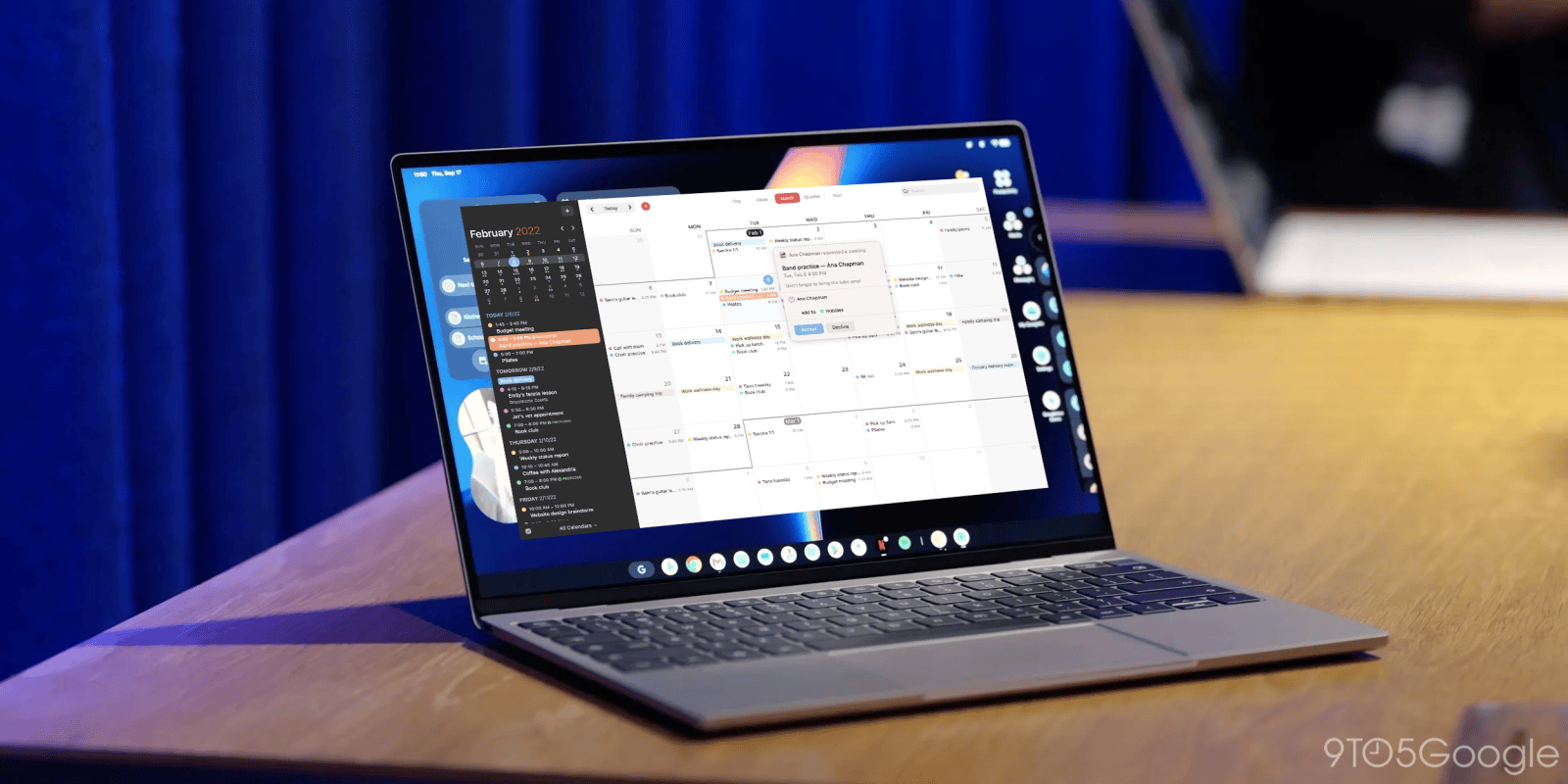
Fantastical has long been hailed as one of the greatest calendar apps available today, but if you’re an Android user, there’s a good chance you’ve never used it. Despite a move from Apple exclusivity to cross-platform availability on Windows, Android has long eluded the attention of development team Flexibits. Today, that’s finally changing, as Fantastical is headed to Google’s mobile OS platform — but not precisely in the way you might expect.